



Meet the King of Mangoes
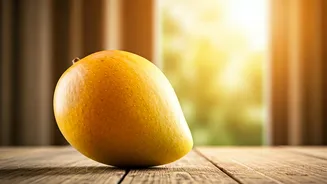
In India, the mango isn't just a fruit; it's a cultural obsession, and the Alphonso is its undisputed king. Grown primarily in the coastal regions of western India, the Alphonso, or 'Hapus' as it's locally known, is a seasonal celebrity. Unlike the stringy,
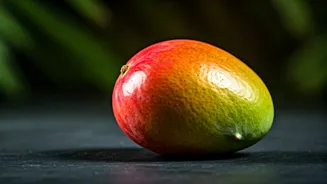
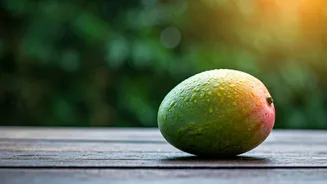
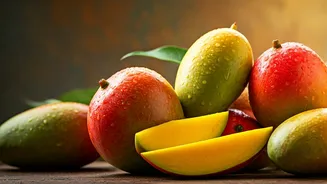
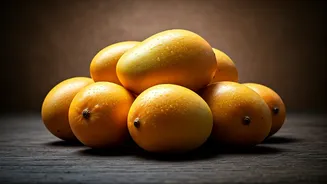
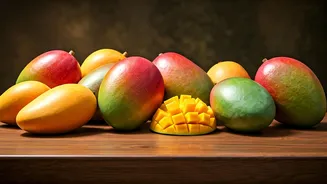
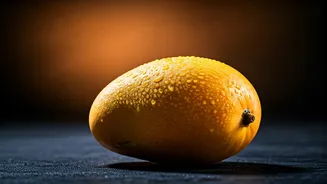
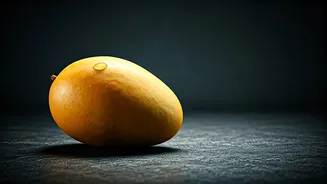
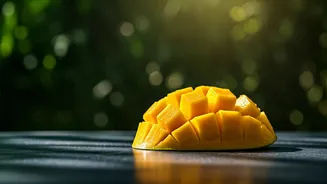
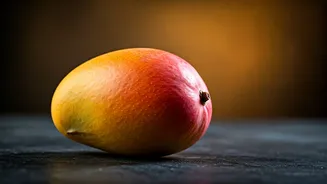
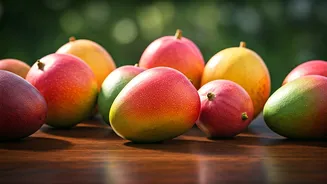
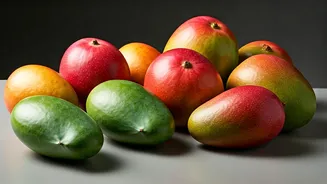
fibrous mangoes often found in American supermarkets, the Alphonso is a different beast entirely. Its skin is a delicate saffron-gold, its flesh is a smooth, buttery, non-fibrous pulp, and its flavor is a complex explosion of sweetness with notes of citrus, honey, and something almost floral. The aroma alone can fill a room, a heady perfume that signals the arrival of summer. For many Indians, the first Alphonso of the season is a moment of pure bliss, a taste of sunshine that defines the hottest months of the year.
The Decades-Long Ban
For nearly two decades, this experience was little more than a fragrant memory for Indian immigrants in the United States. In 1989, the U.S. Department of Agriculture (USDA) banned the import of all Indian mangoes. The reason wasn't political; it was agricultural. The concern was a tiny pest: the fruit fly. U.S. officials feared that imported mangoes could carry these invasive insects, which could potentially devastate American crops. While other countries used methods like hot water treatment to eliminate pests, Indian mangoes, particularly the delicate Alphonso, couldn't withstand the process without turning to mush. For 18 long years, the king of mangoes was effectively exiled from American shores, becoming a forbidden fruit whispered about by foodies and desperately missed by the Indian diaspora.
A Nuclear-Powered Solution
The breakthrough came not from a new pesticide or farming technique, but from a surprising source: nuclear science. After years of diplomatic and scientific negotiation, a deal was struck in 2007. India agreed to treat its U.S.-bound mangoes with a low dose of gamma irradiation. It sounds intense, but the process is quite simple and safe. The mangoes are passed through a controlled radiation field, which sterilizes any potential pests without making the fruit itself radioactive or harming its taste and texture. This process, already used to ensure the safety of everything from spices to medical equipment, was the golden ticket. The USDA approved the method, and the ban was finally lifted. The first legal shipment of Indian mangoes to land on U.S. soil in nearly 20 years was treated like the arrival of a foreign dignitary, celebrated by chefs and homesick families alike.
The Price of Perfection
Even with the ban lifted, getting your hands on an Alphonso in the U.S. is still a special occasion. Their journey remains complex and costly. The mangoes have a very short, specific season, typically from April to June. They are highly perishable and must be flown, not shipped by sea, to preserve their delicate flavor and texture. Add in the cost of the mandatory irradiation treatment and the careful handling required, and the price tag reflects the effort. A single Alphonso mango can cost anywhere from $5 to $10, and a box can run upwards of $50. This isn't your everyday grocery store fruit; it's a luxury, a delicacy savored by those who know its worth and the incredible story behind it.