


The Villain Arc of a Humble Melon
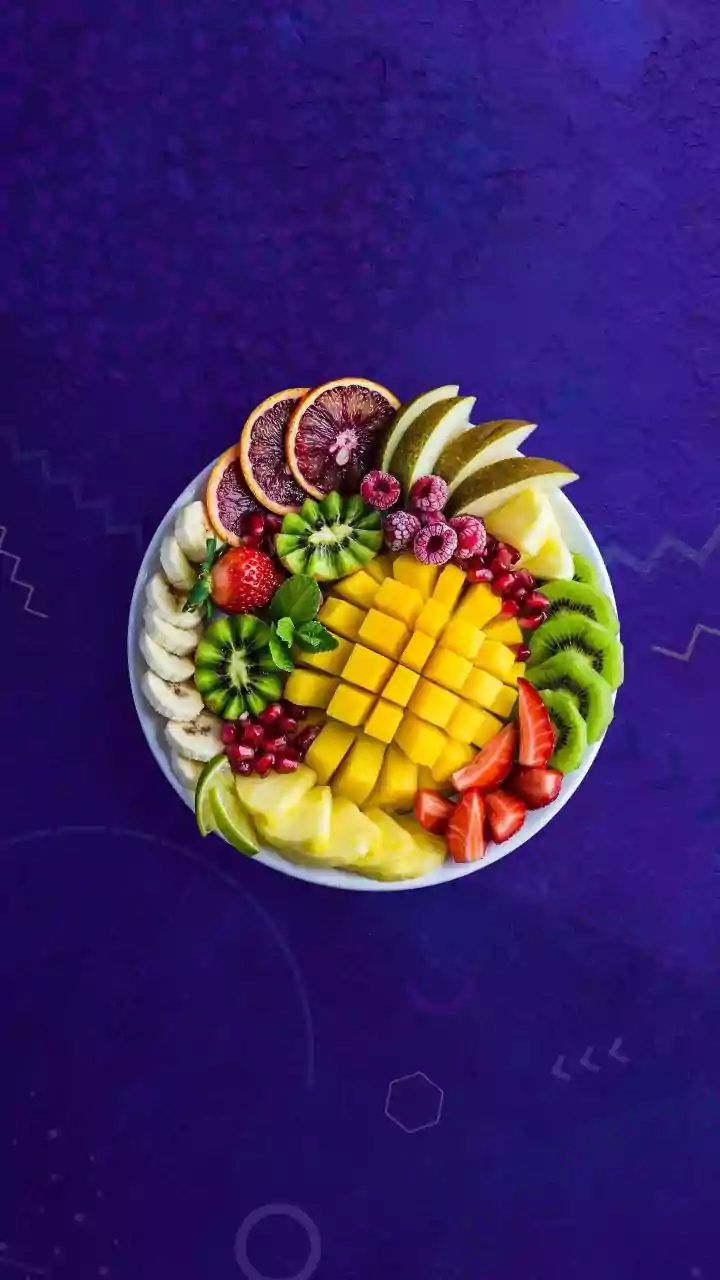
Let’s be honest: you have a bad cantaloupe memory. It might be from a hotel continental breakfast, a hospital tray, or a plastic clamshell of pre-cut “fruit medley” from the grocery store. For years, the cantaloupe’s primary role in American food service
was to be cheap, durable, and voluminous. It was the melon you used to bulk up a fruit platter without spending much money. This industrial approach doomed the cantaloupe’s reputation. To withstand long-distance shipping and storage, melons were picked while rock-hard and underripe. Unlike bananas or avocados, cantaloupes do not ripen much after being harvested. They may soften, but they won’t get sweeter. The result was a generation of Americans who came to associate the fruit with a watery crunch and a flavor profile best described as “vaguely vegetal.” It became the supporting character no one asked for, the piece of fruit left behind after all the grapes and strawberries were gone.
The Art of a Perfect Cantaloupe
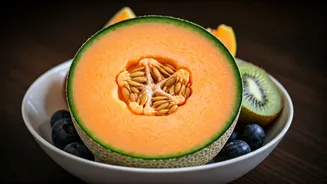
But a perfectly ripe cantaloupe, eaten in season, is a different experience entirely. It’s a sensory marvel. A great cantaloupe is intensely fragrant before you even cut it, filling the air with a sweet, musky perfume. The flesh is not crunchy, but tender and juicy, melting in your mouth with a complex flavor that balances honeyed sweetness with floral, almost savory notes. This is the cantaloupe people have cultivated for centuries, from its origins in Africa and Asia to its celebrated status in European gardens.
The renewed appreciation for the fruit is part of a broader cultural shift towards quality and seasonality. Just as we’ve learned that a winter tomato is a pale imitation of a summer one, we’re rediscovering that a summer cantaloupe, bought from a farmers market or a discerning grocer, is a world away from its sad, year-round counterpart. It’s not that cantaloupe got better; it’s that we’re finally getting better at finding the good ones.
How to Find 'The One'
The cantaloupe’s redemption arc starts in the produce aisle. Picking a good one isn’t a mystery; it’s a skill. First, ignore the color of the webbed “netting” and look at the “ground spot”—the smooth patch where the melon rested on the field. It should be a creamy, pale yellow or gold, not green or stark white. A green spot means it was picked too early. Second, pick it up. It should feel heavy for its size, which indicates high water content and juiciness. Third, and most importantly, smell it. The stem end (where the vine was attached) should have a noticeably sweet, floral fragrance. If it smells like nothing, it will taste like nothing. If it has a fermented or alcoholic smell, it’s overripe. A little give when you press the stem end is good, but it shouldn't be soft or mushy.
Beyond the Breakfast Bar
Perhaps the biggest driver of cantaloupe’s main character energy is its newfound versatility. We’re finally seeing it as more than just a breakfast side. The melon’s musky sweetness makes it a stunning partner for savory flavors. The classic Italian pairing of prosciutto e melone (prosciutto and melon) is just the beginning.
Try drizzling it with a good balsamic glaze and topping it with torn basil or mint. Sprinkle cubes with chili-lime seasoning for a spicy-sweet snack. Toss it with feta cheese, red onion, and a light vinaigrette for a refreshing summer salad. Blend it into a chilled gazpacho with cucumber and jalapeño. Its sweet, fragrant flesh is also a fantastic base for cocktails, from margaritas to gin fizzes. By breaking it out of the fruit-salad box, we’ve unlocked its true potential as a dynamic and sophisticated ingredient.