




What Is Ayurveda, Really?
Ayurveda, which translates from Sanskrit as “the science of life,” is one of the world's oldest holistic healing systems, originating in India over 3,000 years ago. At its core is the belief that wellness depends on a delicate balance between the mind,
body, and spirit. It’s not about quick fixes or one-size-fits-all solutions. Instead, Ayurveda offers a comprehensive roadmap to understanding your unique constitution and living in harmony with it. It views the body as an ecosystem, where everything from the food you eat to the time you wake up impacts your overall vitality.
Beyond the Commercialized Quick Fix
Modern American self-care has largely become a consumer-driven industry. Feeling stressed? There’s a bath bomb for that. Tired? A pricey eye cream awaits. While these things can be enjoyable, they often treat symptoms without addressing the root cause of our imbalance. Ayurveda takes self-care more seriously by reframing it as a proactive, daily commitment to balance, not a reactive purchase. It’s about building routines and rituals that prevent burnout in the first place, rather than just soothing its effects. This is the shift from self-soothing to true self-care: a conscious, consistent effort to nurture your entire being.
Understanding Your Unique Constitution
A central tenet of Ayurveda is the concept of the three doshas: Vata (energy of movement), Pitta (energy of digestion and metabolism), and Kapha (energy of lubrication and structure). According to the philosophy, everyone has a unique combination of these three energies, with one or two typically being dominant. Understanding your dosha profile—which can be explored with a qualified practitioner or through introductory online quizzes—provides a personalized lens for your diet, exercise, and daily routines. A Vata-dominant person might need grounding, warming foods, while a fiery Pitta type may need to focus on cooling activities and avoiding spicy meals. It’s the opposite of a generic wellness trend; it’s radically personal.
Four Simple Ways to Start at Home
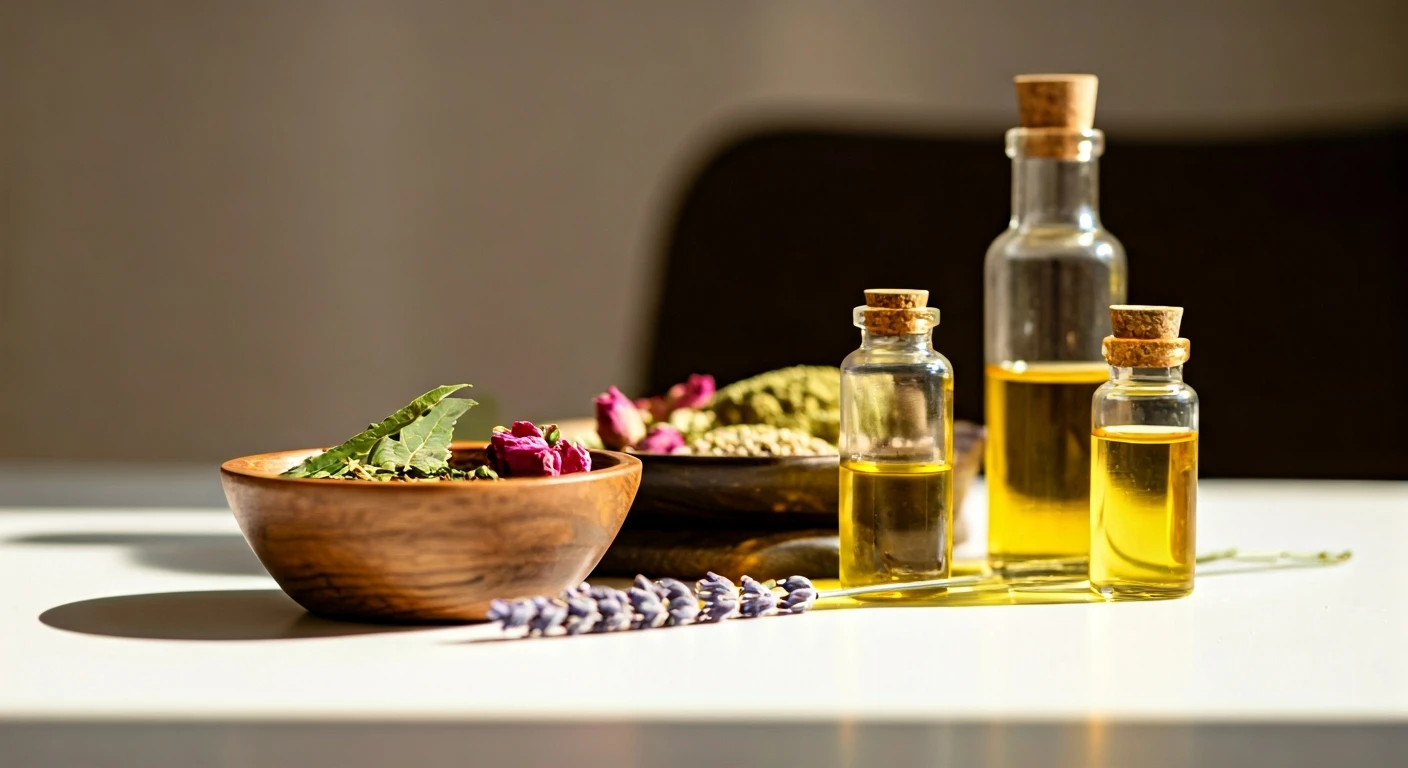
Bringing Ayurveda home doesn't require a complete life overhaul. The beauty of the system is its emphasis on small, consistent daily practices, known as *dinacharya*. Here are four simple entry points: 1. **Start Your Day with Warm Water:** Before your coffee or tea, drink a glass of warm water, perhaps with a squeeze of lemon. This simple act is believed to ignite your digestive fire (*agni*) and gently flush toxins from the night. 2. **Scrape Your Tongue:** Using a stainless steel or copper tongue scraper every morning is a classic Ayurvedic hygiene practice. It removes the overnight buildup of bacteria and toxins, freshens breath, and is said to enhance your sense of taste. 3. **Practice Self-Massage (Abhyanga):** Once or twice a week, warm some high-quality sesame or coconut oil and massage it into your skin before a warm shower. This practice calms the nervous system, nourishes the skin, and promotes circulation. It’s a powerful act of self-love. 4. **Eat Your Main Meal at Midday:** Ayurveda teaches that our digestive fire is strongest when the sun is highest. Try to make lunch your largest meal of the day and have a lighter, easier-to-digest dinner at least three hours before bed. This aligns your eating habits with your body's natural rhythms.