








So, What Is the Trend?
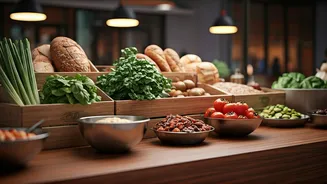
The single biggest food trend captivating students isn’t a specific dish, but a whole new dining philosophy: the death of the traditional cafeteria and the rise of the vibrant, multi-station food hall. Imagine walking into a bright, open space that feels
less like a school lunch line and more like a downtown food market. In one corner, there’s a station serving authentic street tacos with fresh cilantro and house-made salsa. Across the way, a student is building a custom grain bowl with roasted vegetables and a lemon-tahini dressing. Nearby, another is grabbing a plant-based burger that actually looks and tastes delicious. This isn't a fantasy—it's the new standard at an increasing number of universities, from large public institutions to smaller private colleges. The trend is about variety, authenticity, and, most importantly, choice.
Driven by Digital Palates
So why the sudden change? You can thank the internet. Gen Z students have grown up with TikTok, Instagram, and YouTube, where they are exposed to a world of global cuisines at the tap of a screen. They’ve watched videos on how to make Korean corn dogs, seen influencers rave about Ghanaian jollof rice, and learned the difference between pho and ramen. They don’t just want food; they want an experience. They arrive on campus not as blank slates, but as amateur food critics with surprisingly sophisticated tastes. For them, a meal is an opportunity for discovery and social sharing. A bland, repetitive menu isn't just disappointing; it’s a missed opportunity for a great Instagram story. Universities have realized that to keep students happy, the campus menu needs to be as dynamic and diverse as a trending TikTok feed.
Customization Is King
The one-size-fits-all approach is officially dead. This generation of students expects to have control over what they eat. The popularity of the food hall model is rooted in its inherent customizability. Instead of being handed a pre-portioned plate, students are now the chefs of their own meals. This isn't just about picky eating; it's a reflection of a massive cultural shift toward personalized health and wellness. With a growing number of students adhering to specific dietary needs—from vegan and vegetarian to gluten-free, dairy-free, and halal—customizable stations are a necessity, not a luxury. The ability to build your own salad, pasta dish, or poke bowl empowers students to meet their own health goals and dietary restrictions without feeling singled out or deprived. It transforms the act of eating from a passive experience to an active, personal choice.
Food as a Social Hub
These new dining halls are also being designed as central social hubs. The long, institutional tables of the past are being replaced with a variety of seating options: communal tables for large groups, small two-tops for quieter conversations, and comfortable lounge areas with charging ports for studying. The goal is to create a welcoming environment where students want to linger long after they've finished eating. In an era where students report high levels of loneliness, universities are recognizing the power of a shared meal in a pleasant setting. A well-designed dining hall can become the de facto living room of the campus, fostering community and connection. It’s not just a place to refuel; it's a place to collaborate, socialize, and decompress.