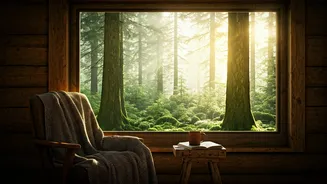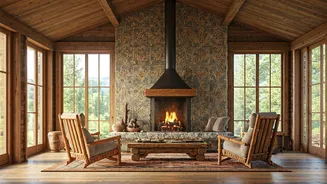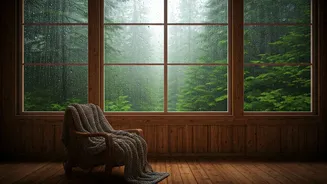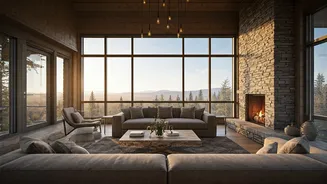



1. It's Exclusivity Over Opulence
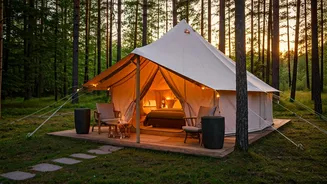
The old flex was a five-star hotel suite in a major city, a place anyone with enough money could book. The new flex is a stay at a place with only four architecturally stunning cabins tucked away in a forest, booked six months in advance. Boutique nature
breaks redefine luxury not as gold-plated faucets and fawning service, but as privacy, scarcity, and a unique point of view. It’s about being somewhere special that feels like a discovery, not a transaction. This shift prioritizes a personal, crowd-free experience, turning the absence of other people into the ultimate amenity. You aren’t just buying a room; you’re buying a slice of solitude.
2. The Aesthetic is a Statement
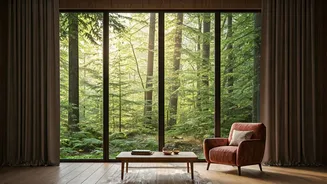
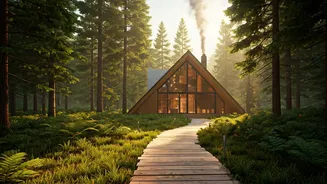
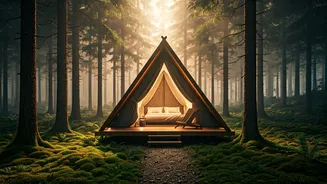
Let's be honest: the 'flex' part of any trend requires a visual receipt. These aren’t your grandpa’s rustic log cabins. We’re talking minimalist A-frames with floor-to-ceiling windows, Scandinavian-inspired interiors, and perfectly placed claw-foot tubs overlooking a misty valley. Companies like Getaway, AutoCamp, and countless independent hosts on Airbnb have mastered the art of the photogenic escape. Every corner is meticulously designed to be both calming and camera-ready. Sharing a photo from one of these spots isn't just showing off a vacation; it’s a curated broadcast of your personal taste, signaling an appreciation for design, subtlety, and the beauty of simplicity.
3. You Get Nature, Without the 'Roughing It'
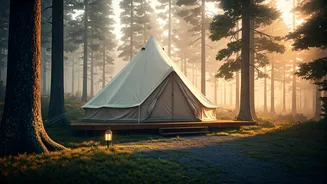
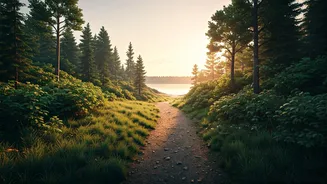
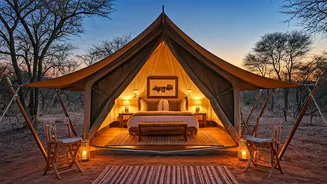
For a growing number of travelers, the appeal of the wild is strong, but the appeal of sleeping on the ground is not. Boutique nature breaks offer the perfect compromise: immersion in the outdoors with all the comforts of a high-end hotel. Think plush bedding, fully equipped kitchens, Wi-Fi (if you want it), and immaculate bathrooms. The experience is centered on enjoying the natural surroundings—the hiking trail outside your door, the private fire pit, the star-filled sky—without sacrificing an ounce of comfort. It’s the 'best of both worlds' approach to travel, delivering the restorative power of nature with the ease of a luxury getaway.
4. Wellness is the Core Product
Beyond the aesthetics and comfort, this trend is deeply rooted in the modern obsession with wellness and burnout culture. A weekend in a secluded cabin is marketed (and experienced) as an antidote to a hyper-connected, overstimulated life. It’s a forced digital detox. Many of these locations proudly advertise their spotty cell service or provide lockboxes for your phone. The goal isn’t just to see a new place, but to reset your mind. Instead of a packed itinerary of sightseeing, the 'to-do list' is beautifully simple: read a book, build a fire, take a walk, and just be. This focus on mental and emotional restoration is a powerful status symbol in a society that increasingly values mindfulness as a luxury.
5. Sustainability Signals Sophistication
In an era of conscious consumerism, how you travel says a lot about your values. Opting for a small-scale, eco-minded retreat over a sprawling, resource-intensive resort is a quiet but clear statement. Many boutique nature escapes are built with sustainable materials, operate on a small footprint, and encourage guests to connect with the local environment responsibly. This alignment with environmental values has become a form of social currency. It shows you’re a thoughtful traveler who cares about impact, not just indulgence. The flex is no longer about consumption, but about consideration—for the planet and for your own well-being.