

The Challenge of Rooftop Watering
A rooftop garden is a unique beast. Unlike a suburban yard, it’s a collection of containers, raised beds, and vertical planters, each with different soil volumes and sun exposures. This complexity is what makes watering so difficult. Pots on the western
edge might bake in the afternoon sun and need water daily, while those in a shaded corner stay moist for days. Add in wind, which accelerates evaporation, and the daily drag of hauling a watering can or unwieldy hose across a hot roof, and it’s easy to see why many urban gardening dreams die of thirst—or their owners die of exhaustion. A weekend away becomes a logistical nightmare, forcing you to beg a neighbor to take on your complex watering spreadsheet. This constant, manual effort is the single biggest barrier to success.
Enter Automated Drip Irrigation
Automated drip irrigation is the elegant solution to this urban problem. Think of it as a precise, customizable delivery service for your plants. Instead of broadcasting water with a sprinkler or hose, a drip system delivers water slowly and directly to the base of each plant through a network of thin tubes and emitters. This method is incredibly efficient, reducing water waste from evaporation or runoff by up to 70% compared to traditional watering. When you connect this system to an automatic timer, the entire process becomes hands-free. You set the schedule—how often, what time of day, and for how long—and the system does the rest. Your plants get the consistent moisture they need to thrive, and you get your time back.
The Core Components You'll Need
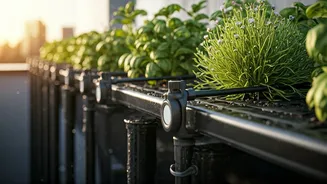
Building a system sounds intimidating, but it’s essentially a set of adult Legos. The core components are readily available at any home improvement store. Your system will start at a spigot or faucet and include: 1. **A Timer/Controller:** This is the brain. It can be a simple battery-operated dial you attach to the spigot or a sophisticated Wi-Fi-enabled smart controller you manage from your phone. 2. **A Backflow Preventer:** A critical safety device that ensures garden water can't flow backward into your home's drinking water supply. 3. **A Filter:** A simple screen filter that prevents sediment from clogging the small emitters down the line. 4. **A Pressure Regulator:** City water pressure is too high for drip systems. This inexpensive part steps it down to a gentle, plant-safe level. 5. **Mainline Tubing:** Typically ½-inch or ¾-inch flexible poly tubing that acts as the main artery, carrying water across your rooftop. 6. **Feeder Tubing & Emitters:** Smaller ¼-inch tubing branches off the mainline to reach individual pots. At the end of each line is an emitter—a small plastic nozzle designed to drip water at a specific rate (e.g., 0.5, 1, or 2 gallons per hour).
Planning for Rooftop Complexity
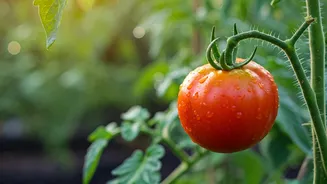
The “complex” part of a rooftop system is where planning pays off. Before you buy a single part, sketch out your garden. Group plants with similar watering needs together. A zone for thirsty vegetables like tomatoes should be separate from a zone for drought-tolerant herbs like rosemary. This is easily achieved by running separate lines from a multi-zone timer or by using emitters with different flow rates. Flexibility is key. Use extra tubing so you can move pots around. Secure tubing with zip ties or garden stakes to prevent wind from whipping it around. For large planters, use several emitters to ensure even moisture distribution. For vertical gardens or hanging baskets, ensure your system has enough pressure to push water upward, and plan for how you’ll discreetly run the tubing. Always start with a simple layout and expand as you gain confidence.
Embracing Smart Automation
The real game-changer for urban families is smart automation. Modern Wi-Fi-connected irrigation controllers do more than just follow a schedule. They can connect to local weather stations and automatically skip a watering cycle if it rains, preventing overwatering and saving water. Some advanced systems use soil moisture sensors to water only when the plants actually need it. From your phone, you can initiate a manual watering cycle, check on the system’s status while you’re on vacation, or adjust the schedule based on a heatwave forecast. This level of control removes the last remnants of guesswork and transforms your garden into a truly self-sustaining ecosystem.