

What Is 'Gut Health,' Anyway?
Before diving into the 'how,' let's clarify the 'what.' When experts talk about gut health, they're primarily referring to the gut microbiome: a bustling, microscopic ecosystem inside your digestive tract. This community is home to trillions of microorganisms,
including bacteria, fungi, and viruses. Think of it as an internal rainforest, teeming with diverse species that work together in a complex, symbiotic relationship. A healthy gut isn't one that's sterile; it's one that is balanced and rich in a wide variety of beneficial microbes. These tiny allies are crucial for digesting food, producing essential vitamins, and protecting your body from harmful pathogens. When this ecosystem is thrown out of whack—a state known as dysbiosis—it can contribute to a range of issues, from digestive discomfort to chronic inflammation.
The Science of a Diverse Plate
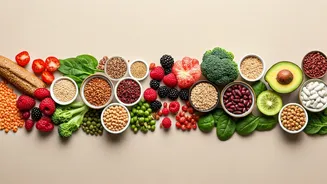
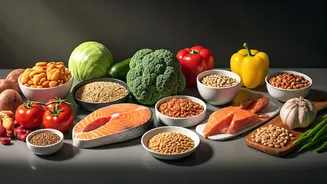
So where does your plate come in? Every food you eat acts as fuel for the microbes in your gut. But here's the catch: different microbes like to eat different things. If you eat the same handful of foods every day, you're only feeding a select group of bacteria. The other species get starved out, and your internal 'rainforest' starts to look more like a monoculture farm—less diverse, less resilient, and more vulnerable to disruption. Research consistently shows a direct link between dietary diversity and microbiome diversity. The more varied your diet, especially in terms of plant-based foods, the more varied and robust your gut microbiome becomes. Different plants provide different types of fiber and beneficial compounds called polyphenols, which are like gourmet food for your good gut bugs. A diverse microbiome is better equipped to perform its many jobs, keeping your digestive system running smoothly and your body's defenses strong.
Beyond Digestion: The Ripple Effect
The benefits of a thriving gut microbiome extend far beyond preventing bloating. Scientists are increasingly understanding the 'gut-brain axis,' a communication highway linking your digestive system and your central nervous system. A healthy gut can positively influence mood and cognitive function. Furthermore, since about 70% of your immune system resides in your gut, a balanced microbiome is fundamental for a well-regulated immune response. It helps your body distinguish between friend and foe, reducing the risk of both infections and chronic inflammation, which is implicated in numerous health conditions. In essence, caring for your gut is a powerful, proactive way to support your overall, long-term health. It's not just about a happy stomach; it's about a healthier body and mind.
Your 'Eat the Rainbow' Game Plan
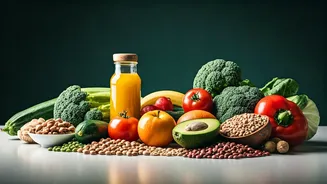
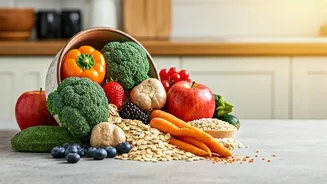
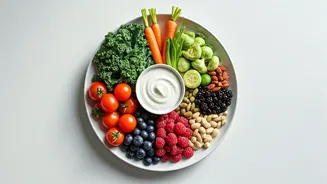
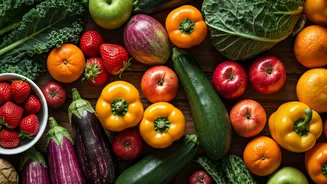
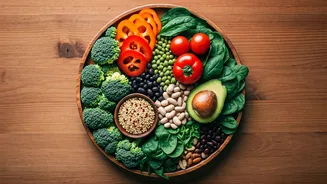
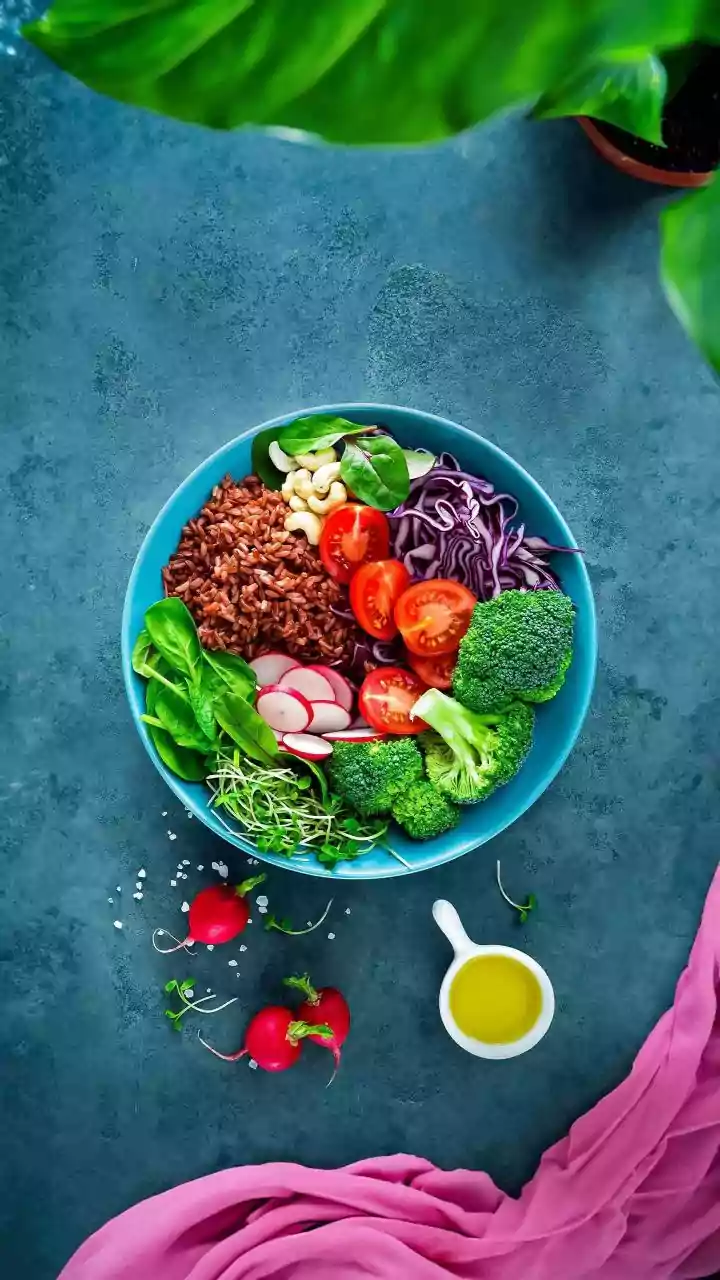
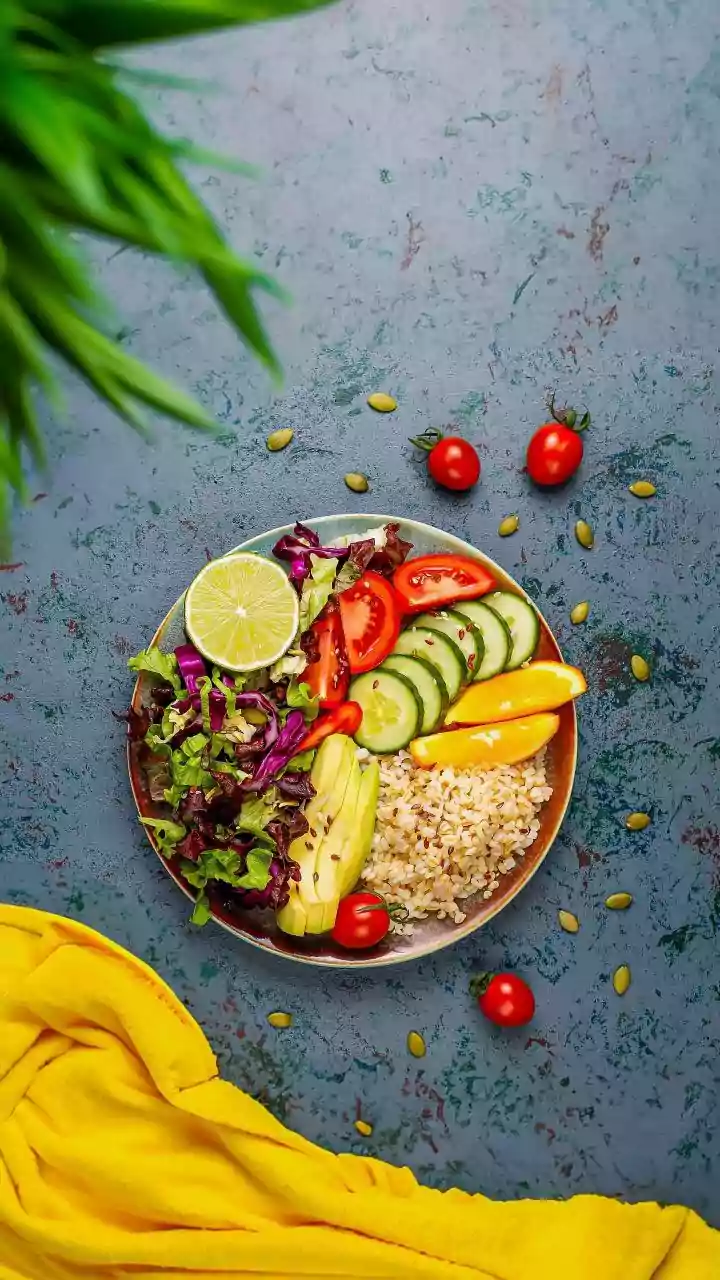
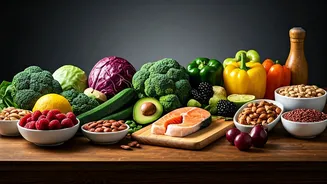
The good news is that diversifying your diet doesn't require a radical overhaul or a degree in nutrition. The most effective approach is to focus on adding, not restricting. Instead of thinking about what to cut out, think about what you can add in. A simple and powerful mantra is to 'eat the rainbow.' The different colors in fruits and vegetables often correspond to different nutrients and polyphenols. By aiming for a variety of colors on your plate throughout the week—reds from beets and raspberries, oranges from carrots and sweet potatoes, greens from kale and broccoli, blues and purples from berries and eggplant—you're naturally ensuring a wider range of food for your microbiome. Challenge yourself to try one new fruit, vegetable, or whole grain each week. You might just discover your new favorite food.
Small Swaps, Big Impact
Getting started can be as simple as making small, intentional swaps. Instead of plain oatmeal, top it with a mix of berries, nuts, and seeds. If you're making a soup or stew, toss in a can of lentils or chickpeas for an easy fiber and protein boost. When you buy bread or pasta, opt for a whole-grain version. Rather than snacking on the same apple every day, rotate between pears, oranges, and plums. Mix up your greens—if you always buy romaine, try spinach or arugula next time. Even your herbs and spices count. Adding a variety of them to your cooking not only enhances flavor but also contributes different beneficial compounds. These small, consistent changes compound over time, helping you build a more diverse and resilient gut microbiome without feeling overwhelmed.