



Beyond 'Pet-Friendly'
For years, the term “pet-friendly” was hotel code for “We will tolerate your animal for a hefty fee and a long list of rules.” Travelers with pets were often relegated to less desirable rooms, and the experience felt more like a concession than a welcome.
That era is definitively over. Today’s luxury hotels are moving far beyond mere tolerance into the realm of enthusiastic accommodation. The new standard isn’t just allowing pets; it’s about curating an experience for them that rivals the one offered to their human companions. This shift reflects a deeper understanding of the modern traveler, for whom a pet isn’t just an animal—it's a cherished member of the family. As a result, properties are competing to see who can provide the most thoughtful, comprehensive, and Instagram-worthy welcome for their four-legged guests.
The Anatomy of a 'Paw-sh' Welcome
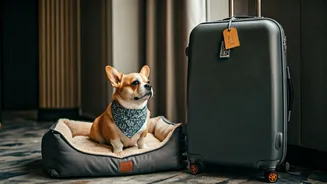
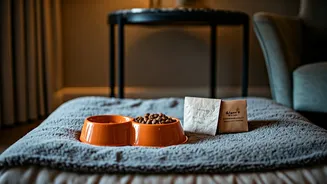
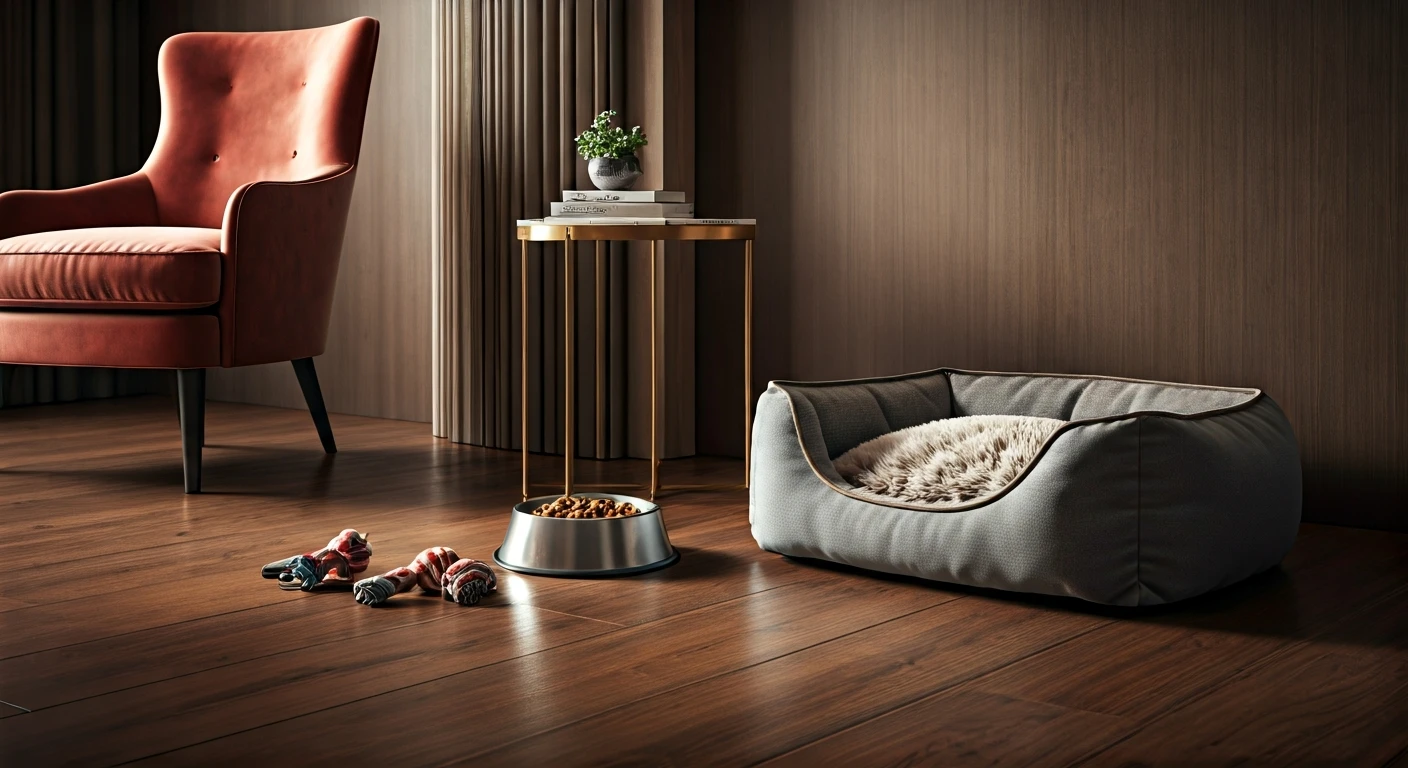
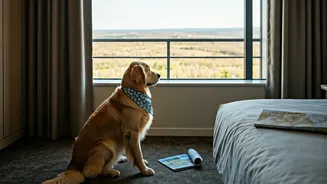
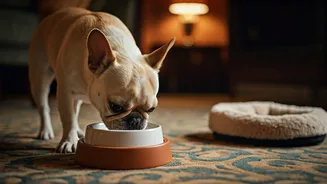
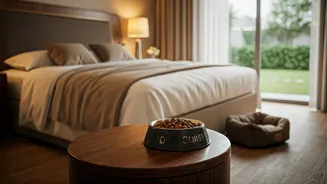
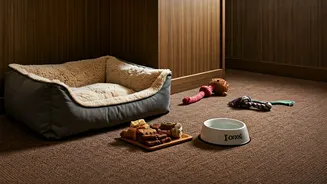
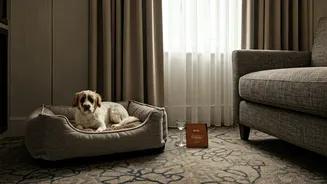
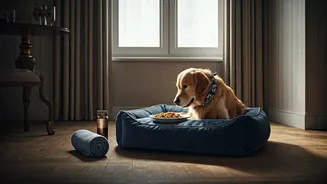
So, what does this new level of pet hospitality look like? It starts at check-in, where a welcome kit might include organic treats, a new toy, and biodegradable waste bags. In the room, you’ll find plush beds, dedicated food and water bowls (often from high-end brands), and even pet-sized bathrobes. The in-room dining menu is where things get truly decadent. Forget kibble; think grilled salmon with steamed carrots, a “puppy-cinno,” or a beef tenderloin prepared by the hotel’s executive chef. Beyond the room, amenities can include designated pet-walking services, maps of nearby dog parks, and access to on-site “paw-spas” offering grooming, massages, and nail trims. Hotels like the Kimpton chain have long been leaders with their Directors of Pet Relations (canine ambassadors), while premier properties like The Peninsula Beverly Hills might offer a custom bed that matches the room’s décor.
Why Now? The Millennial Pet Parent
This evolution isn’t happening in a vacuum. It’s a direct response to a powerful demographic and cultural shift: the rise of the millennial and Gen Z pet parent. As younger generations increasingly delay or opt out of traditional milestones like marriage and children, they have poured their nurturing instincts—and disposable income—into their pets. A 2021 survey found that 76% of millennials would be more likely to travel if their pet could come along. They see their dogs and cats as “starter children” or permanent family members, and they refuse to leave them in a kennel or with a sitter. They expect their lifestyle, including travel, to accommodate this bond. The hospitality industry, always attuned to where the money is, has taken notice. These travelers are willing to pay a premium to ensure their furry companions are not just present, but pampered.
The Business of Barks and Meows
For hotels, embracing the pet-centric model is simply smart business. First, it unlocks a loyal and lucrative market segment. A traveler who has a wonderful experience with their pet is highly likely to return and become a vocal brand advocate. Second, it creates new revenue streams. While some amenities are complimentary, many—like gourmet pet meals, spa treatments, and professional walking services—are profitable add-ons. Finally, it’s a powerful marketing tool. A photo of a golden retriever in a tiny hotel bathrobe next to an infinity pool is social media gold. It generates organic buzz, humanizes the brand, and tells a story of warmth and inclusivity that a standard shot of a hotel room simply can’t. In a competitive market, being the most pet-forward hotel in town can be a significant differentiator that translates directly to bookings and revenue.