






More Than Just a Stroll
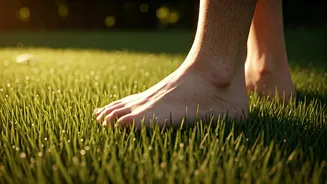
This isn't just a nostalgic impulse to feel grass between your toes. It’s a deliberate practice often called “grounding” or “earthing.” At its core, it’s a form of active mindfulness designed as an antidote to our screen-saturated, shoe-encased modern
lives. Practitioners see it as a way to physically and mentally reconnect with the planet. In a world of constant digital pings and synthetic surfaces, the simple, direct contact of skin on soil offers a powerful, sensory reset. It transforms a simple walk in the park from a form of exercise into a meditative experience, forcing a slower, more deliberate pace and a heightened awareness of the body’s connection to the world around it.
The Science of Skin on Soil
So, what’s happening when you ditch the sneakers? Proponents point to two main categories of benefits: the biomechanical and the bioelectrical. Biomechanically, walking barefoot can improve balance, proprioception (your sense of body position), and foot strength by allowing the nearly 200,000 nerve endings in your soles to receive detailed feedback from the ground. This can lead to a more natural gait and potentially reduce strain on joints. The more debated aspect is the concept of “earthing,” which theorizes that the Earth’s surface has a natural, negative electric charge. This theory suggests that direct contact allows our bodies to absorb free electrons, which can act as antioxidants and help neutralize damaging free radicals, thereby reducing inflammation and stress. While mainstream science is still catching up to these specific electrical claims, the psychological benefits of mindfulness and spending time in nature are well-documented. The act of focusing on the physical sensation of the ground is a proven stress-reducer, similar to other meditative practices.
A Low-Cost Backlash Against Burnout
The rise of barefoot walking can be seen as a quiet rebellion against modern burnout culture. It costs nothing, requires no special equipment, and can be done almost anywhere there’s a patch of green. Unlike complex wellness routines or expensive gym memberships, grounding is radically accessible. It represents a larger cultural shift toward finding health and peace in simpler, more natural ways. In an era defined by digital abstraction—from remote work to online friendships—the tangible, grounding reality of the earth beneath one's feet is profoundly appealing. It’s a ten-minute vacation from the anxiety of the endlessly scrolling feed, a physical act that says, “I am here, now, connected to this spot.”
How to Try It Yourself (Safely)
Curious about trying it? The barrier to entry is, literally, on the ground. But a little common sense goes a long way. Start in a familiar, well-maintained park you know is clean and free of pesticides. Scan the area for hazards like glass, sharp rocks, or animal waste before you begin. If you’re new to going barefoot, start with just five or ten minutes to let your feet adjust. The soles of our feet are often de-sensitized and softened by a lifetime in shoes, so they can be tender at first. Walk slowly and pay attention to how your body feels. The point isn’t to cover a certain distance but to experience the sensation. Think of it less as a workout and more as a sensory exploration.