



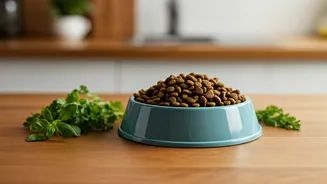

What Does 'Cleaner' Pet Food Mean?
First, let's be clear: 'clean' is a marketing term, not a scientific or regulatory one. Unlike 'organic,' which has a specific USDA definition, 'clean' in the context of pet food is more of a philosophy. It generally signals a move away from the highly
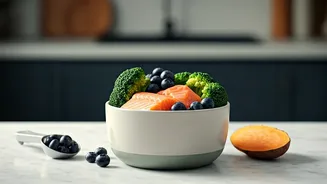
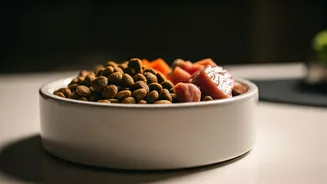
processed kibbles of the past toward foods with simpler, more recognizable ingredients. Think of it as the pet-food equivalent of avoiding processed foods in your own diet. Brands in this space often emphasize what’s *not* in the bag: no artificial preservatives, colors, or flavors; no cheap fillers like corn, wheat, or soy; and no mystery meat by-products. Instead, the focus is on whole food sources, with a named protein like 'chicken' or 'salmon' listed as the first ingredient.
The 'Pet Humanization' Driver
So, why is this happening now? The answer lies in how we see our pets. For a growing number of Americans, particularly Millennials and Gen Z, pets are not just animals; they are family. This phenomenon, dubbed 'pet humanization,' means owners are projecting their own values, lifestyles, and dietary concerns onto their companions. If you’re spending extra on non-GMO produce and grass-fed beef for yourself, the logic follows that you’d want a similar standard for your 'fur baby.' This emotional connection is a powerful market force. A 2023 report from the American Pet Products Association noted that 85% of owners consider their pets to be members of the family, a sentiment that directly fuels spending on premium products that promise better health and a longer life.
From Niche to Mainstream
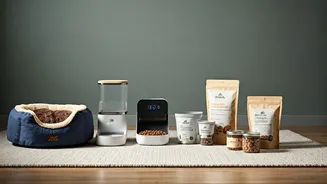
What started with small, direct-to-consumer startups offering fresh, refrigerated, or even custom-cooked meals has now gone completely mainstream. Major players like Purina and Mars Petcare (owner of Royal Canin and Iams) have invested heavily in their own 'natural' and 'clean-inspired' lines to compete. You can see the influence in every corner of the pet store. There are limited-ingredient diets (LIDs) for pets with sensitivities, 'human-grade' foods made in facilities that meet the same standards as human food production, and an explosion of freeze-dried and raw options that mimic a more 'ancestral' diet. The trend isn't just about what's inside the bag, either; it's about transparency, with many brands highlighting the sourcing of their ingredients and their sustainable practices.
Navigating the Claims and the Cost
With this new wave of options comes a new set of challenges for consumers. It's crucial to read labels critically. A 'natural' food can still be highly processed, and flashy packaging can sometimes hide a less-than-stellar ingredient list. The 'grain-free' boom, once a hallmark of clean diets, has been complicated by an ongoing FDA investigation into a potential link with a heart condition called dilated cardiomyopathy (DCM) in dogs, reminding owners that what sounds healthy isn't always proven to be better. And then there's the cost. Unsurprisingly, cleaner ingredients and more complex manufacturing processes mean a higher price tag. Pet owners are essentially paying a premium for peace of mind and the belief that they are making the best possible choice for their pet's well-being.