
First, Why Bamboo?
Before we get into the 'how,' let's cover the 'why.' Bamboo has earned its eco-friendly reputation for a few key reasons. Technically a grass, not a tree, it's one of the fastest-growing plants on Earth, with some species growing several feet in a single
day. It regenerates from its own roots, meaning it doesn't need to be replanted, and it requires significantly less water than many traditional hardwoods. This makes it a highly renewable resource. However, not all bamboo products are created equal. The most sustainable options are made from solid bamboo stalks with minimal processing. When shopping, look for products certified by the Forest Stewardship Council (FSC) to ensure they come from responsibly managed forests and use low-VOC (volatile organic compound) finishes.
Start Small with Accents
The easiest way to introduce any new material into your home is with small, non-committal details. This is where bamboo truly shines. Think about the functional items you use every day. A bamboo bath tray adds a spa-like feel to your bathroom, while a set of bamboo-handled serving utensils brings warmth to your kitchen. Consider a sleek bamboo charging station for your devices, a minimalist fruit bowl for your counter, or woven bamboo baskets for stylish storage. These small swaps are low-cost, high-impact ways to test out the look and feel of the material without overwhelming your space.
Warm Up with Lighting
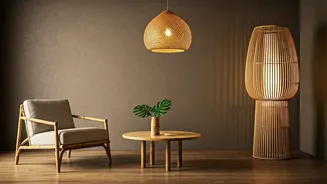
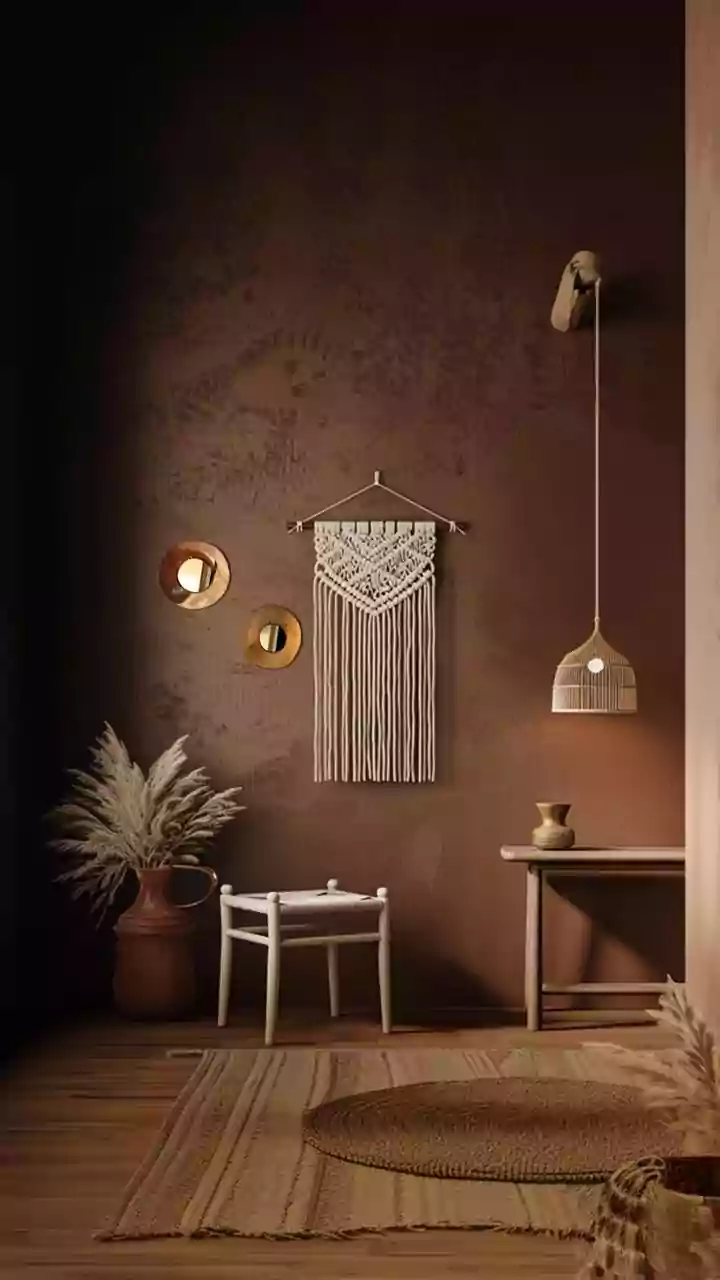
One of the most beautiful applications of bamboo is in lighting. Woven bamboo pendant lights and lampshades are design powerhouses, capable of transforming the entire mood of a room. When illuminated from within, the natural fibers cast a warm, diffused glow and create intricate shadow patterns on the walls and ceiling. This effect adds a layer of texture and coziness that is hard to replicate. A large, sculptural bamboo pendant can serve as the focal point over a dining table or in a living room with high ceilings, while smaller bamboo table lamps can bring that same organic warmth to a bedside table or console.
Build a Stylish Foundation
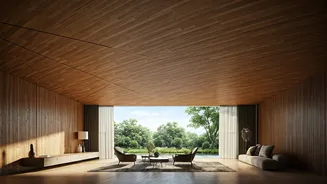
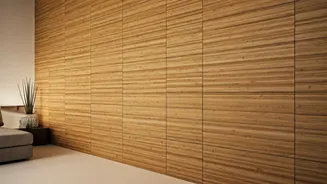
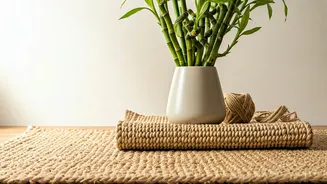
For a more significant commitment, bamboo flooring is a fantastic and durable alternative to traditional hardwood. It offers a clean, consistent look that works well with a range of design styles, from Scandinavian to modern coastal. Carbonized bamboo has a richer, darker tone, while natural bamboo is light and airy. Beyond its aesthetics, it's remarkably resilient. High-quality strand-woven bamboo is harder than oak and maple, making it an excellent choice for high-traffic areas. Similarly, a large bamboo or jute-bamboo blend area rug can anchor a room, define a space, and add a layer of natural texture underfoot.
Frame Your Views and Divide Your Space
Privacy and space definition can also get the eco-chic treatment. Bamboo roll-up blinds are a timeless choice for windows, offering a softer, more organic alternative to stark plastic or metal blinds. They gently filter sunlight, casting a dappled light that prevents harsh glare while maintaining a connection to the outdoors. For larger, open-plan spaces, a folding bamboo screen is a brilliant solution. It can create a sense of separation—carving out a home office nook from a living room, for example—without visually closing off the space. Its lightweight structure makes it easy to move and reposition as your needs change.
Go Bold with Furniture
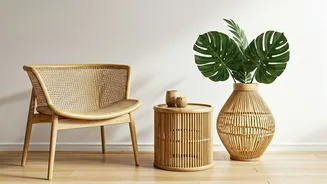
Ready to make a statement? Modern bamboo furniture has shed its outdated 1970s reputation. Today’s designers are using pressed and laminated bamboo to create sleek, minimalist pieces with clean lines. Look for simple platform beds, streamlined shelving units, and elegant side chairs. These pieces showcase the material's inherent beauty without any unnecessary ornamentation. A bamboo bench in an entryway or a set of bamboo dining chairs can serve as a sophisticated nod to nature, proving that sustainable choices can also be the most stylish ones.