




An Orchestra of Rain
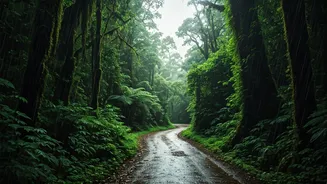
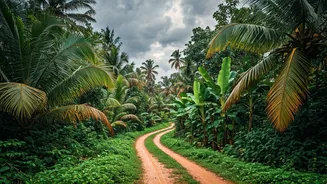
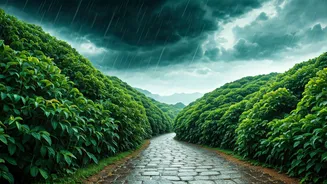
Forget the drizzly, gray gloom you might associate with a rainy day. The monsoon in Kerala is a different beast entirely. It’s a dramatic, life-giving force that transforms the southern Indian state into a vibrant canvas of green. The season, which typically
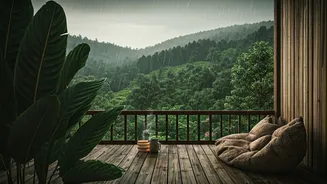
runs from June to September, isn’t about constant downpours. Instead, it’s a dynamic performance: intense, hour-long showers give way to brilliant sunshine that makes the wet landscape glisten. The air becomes thick with the scent of wet earth, jasmine, and spices—a phenomenon known as petrichor, but amplified. The soundscape is an orchestra of its own, with the rhythmic drumming of rain on terracotta roofs and broad banana leaves, punctuated by the calls of tropical birds. This isn't a vacation to be spent indoors hiding from the weather; it's an invitation to immerse yourself in it, to sit on a veranda with a hot cup of tea and watch the world get washed clean.
The Season for Rejuvenation
There's a deeper, ancient reason why the monsoon season holds such allure in Kerala: Ayurveda. The traditional Indian system of medicine posits that the monsoon is the ideal time for healing and rejuvenation. The theory is that the cool, moist, dust-free air opens up the pores of the skin, making the body more receptive to herbal oils and therapeutic treatments. During these months, wellness retreats and resorts across the state offer specialized ‘monsoon therapy’ packages, known as ‘Karkidaka Chikitsa.’ These treatments, aimed at detoxifying the body and boosting immunity, feel particularly potent in the serene, rain-drenched environment. For many travelers, it’s a chance to escape the frantic pace of modern life and sync up with a slower, more natural rhythm, letting the rains wash away not just the dust from the leaves, but also stress from the soul.
Nature in Its Fullest Splendor
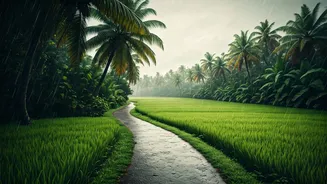
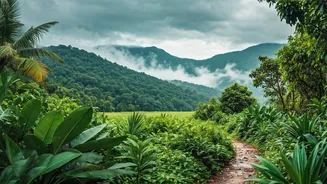
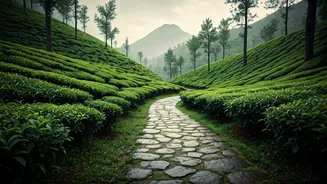
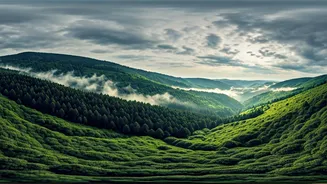
While the high season (December to February) offers sun-drenched beaches, the monsoon showcases Kerala’s legendary landscape at its most powerful and majestic. The famous backwaters, a network of serene lagoons and canals, are full and flowing. A houseboat trip during a light rain, with mist hanging over the water and lush paddy fields on either side, is an otherworldly experience. The state's waterfalls, which can slow to a trickle in the dry season, become thundering torrents. The tea plantations of Munnar, draped in clouds, take on an ethereal, almost mystical quality. This is Kerala in its rawest, most unvarnished form. Wildlife is more active, and the 50 shades of green—from the deep emerald of the forests to the bright lime of new rice shoots—are so vivid they almost seem unreal.
The Savvy Traveler’s Secret
Beyond the atmospheric and wellness benefits, there is a practical appeal to visiting Kerala during the monsoon. This is technically the off-season, which means fewer crowds and better prices. The long lines and packed tourist spots of winter are replaced by a more tranquil and intimate experience. Flights and luxury accommodations can be significantly more affordable, putting a five-star experience within reach for more travelers. It’s a chance to see one of India’s most popular destinations without the tourist crush, allowing for more authentic interactions and a deeper connection to the place. You might find yourself the only guest watching a traditional Kathakali dance performance or having a sprawling beach almost to yourself between showers. It's the perfect time for those who prefer atmosphere over crowded attractions and value a more personal journey.