








Redefining 'Good for You'
For Millennials, the wellness boom often centered on calorie counts, low-fat labels, and rigorous gym routines. Gen Z, on the other hand, approaches health with a more holistic and less restrictive mindset. For them, “healthy” isn’t just about physical
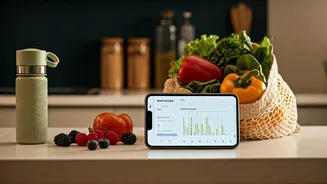
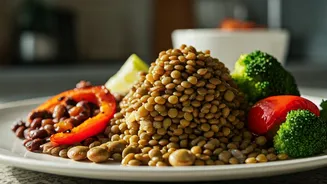
inputs and outputs; it’s about overall well-being, including mental health. This translates to a preference for “clean” labels with recognizable, minimally processed ingredients. They are skeptical of diet culture and instead gravitate toward foods that make them feel good, both physically and emotionally. Think functional ingredients like adaptogens in their coffee to manage stress, probiotics for gut health, and vibrant, nutrient-dense bowls that look as good on an Instagram feed as they are for the body. It’s less about what’s being taken out (fat, sugar, carbs) and more about what’s being added in—flavor, nutrients, and a sense of mindful consumption.
The Planet on Their Plate
Raised under the shadow of climate change, Gen Z is acutely aware of the environmental impact of their choices. This consciousness extends directly to their shopping carts and dinner tables. It’s a major reason for the explosion in plant-based alternatives, but their concern goes far beyond simply eating less meat. They are asking tougher questions than previous generations: Is this packaging compostable? Was this food grown using regenerative agriculture? How much food waste did its production create? This generation is driving demand for brands with transparent supply chains and a demonstrable commitment to sustainability. They are more likely to support companies that use upcycled ingredients (turning food scraps into new products) or have a carbon-neutral footprint. For them, a meal’s 'meaning' is intrinsically tied to its impact on the planet.
Voting with Their Fork
If every dollar is a vote, then every meal is a statement. Gen Z increasingly sees their food choices as a form of activism and a way to support communities that align with their values. This is the “means better” part of the equation in its most direct form. They are actively seeking out and promoting brands that are minority-owned, women-led, or local. They care about ethical labor practices and want to know that the farmers and workers behind their food were treated fairly. Animal welfare is another non-negotiable for many. This generation uses its digital savvy to research companies, call out those with questionable practices, and rally behind those who are getting it right. Buying a product isn't just a transaction; it's an endorsement of a company's entire ethical ecosystem.
Authenticity, Adventure, and TikTok
While values are crucial, Gen Z hasn't forgotten about flavor—in fact, they demand more of it. Their palates are global, shaped by a digitally connected world where a viral TikTok recipe can introduce millions to a specific regional dish from another continent overnight. They crave authenticity and are quick to spot lazy, watered-down versions of global cuisines. This generation seeks out novel flavor combinations, spicy challenges, and unique food experiences they can share online. This search for authentic, interesting tastes is another form of meaning. It’s about cultural appreciation, expanding one’s worldview through food, and participating in a global conversation. A meal 'tastes better' when it feels real, tells a story, and connects them to a place or a culture, whether it's perfectly crispy birria tacos from a local food truck or a homemade version of a viral Korean corn dog recipe.