





The Lure of 'The Scotland of India'
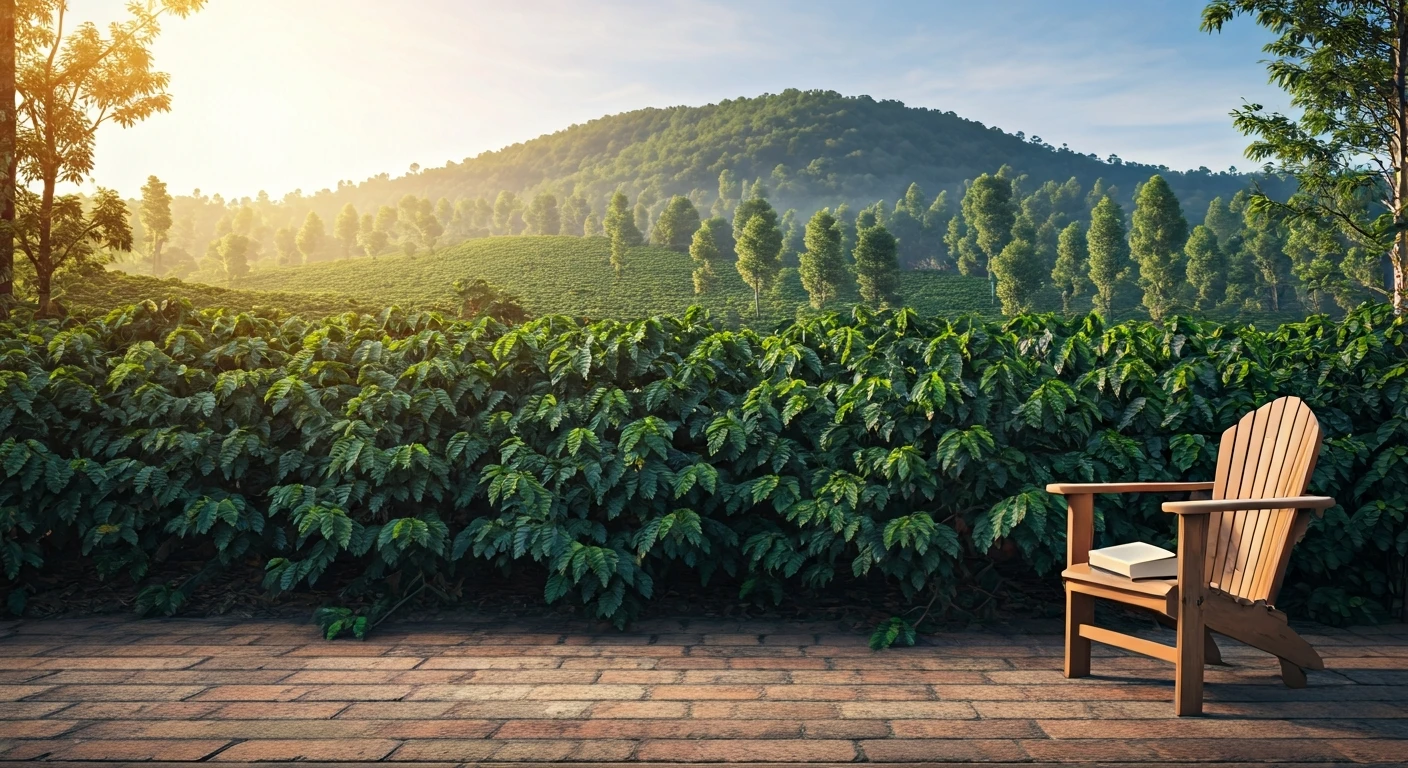
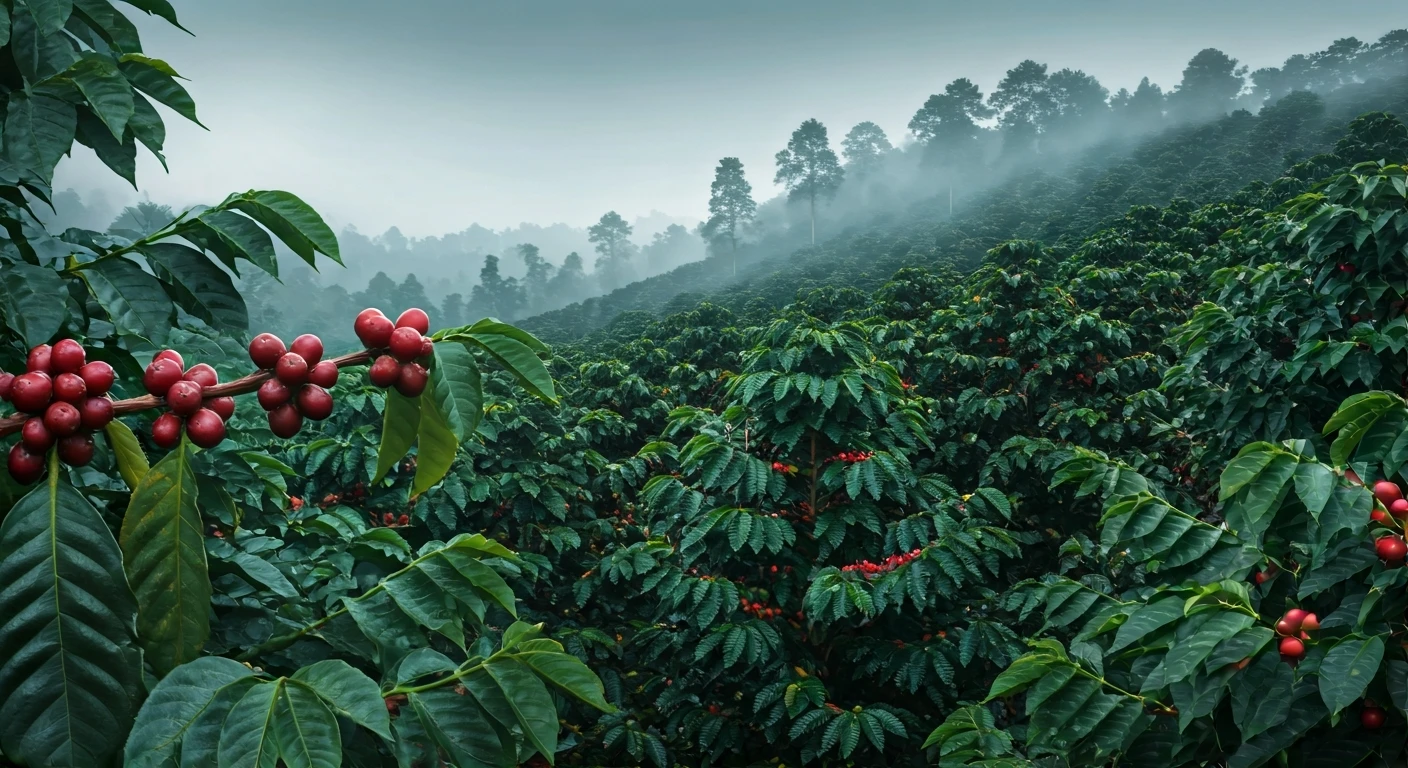
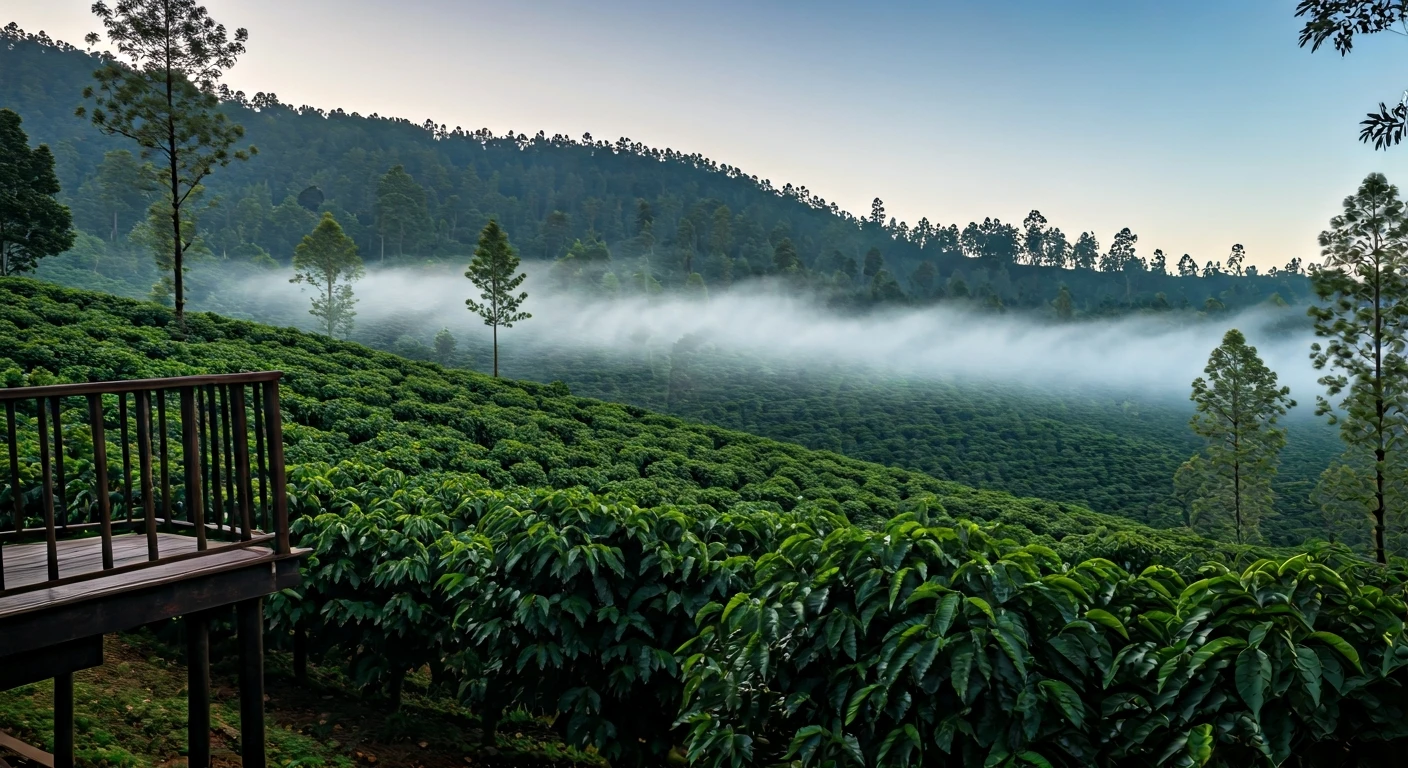
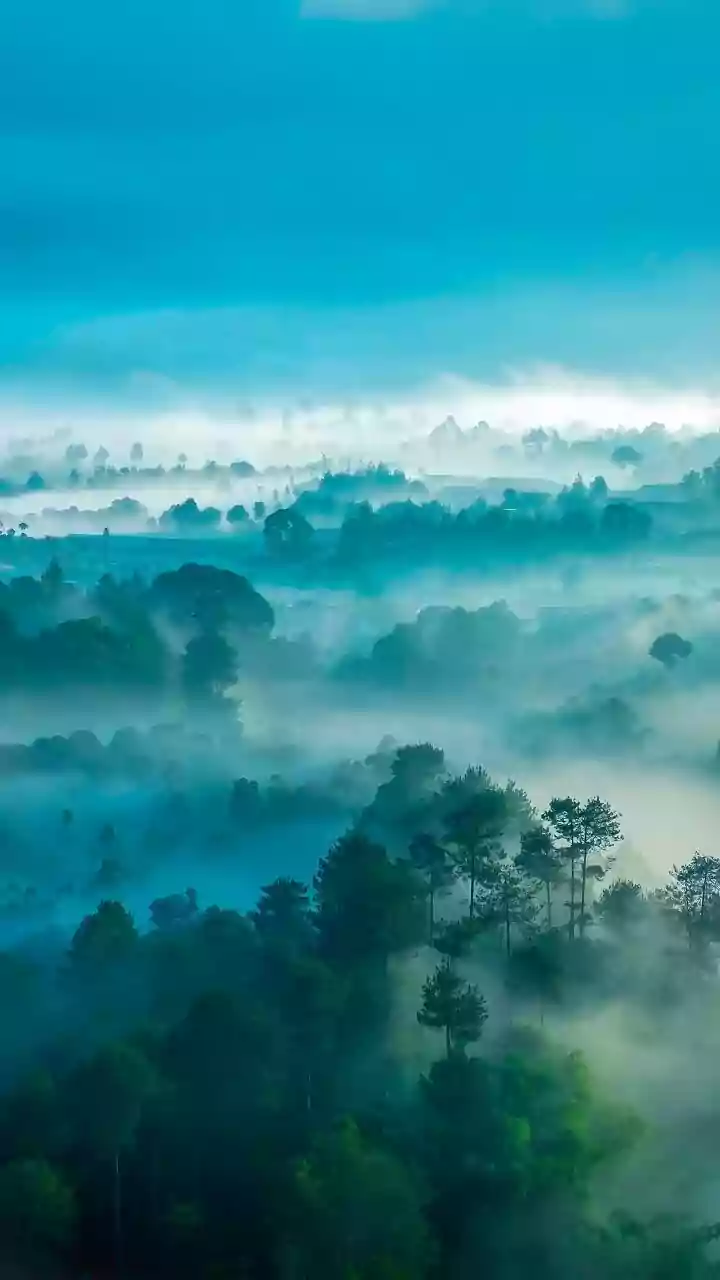
Nestled in the Western Ghats of Karnataka, the region of Kodagu, known to travelers as Coorg, has earned its nickname. Its steep, verdant hills, cool climate, and sprawling plantations evoke a sense of serene, almost otherworldly beauty. For decades,
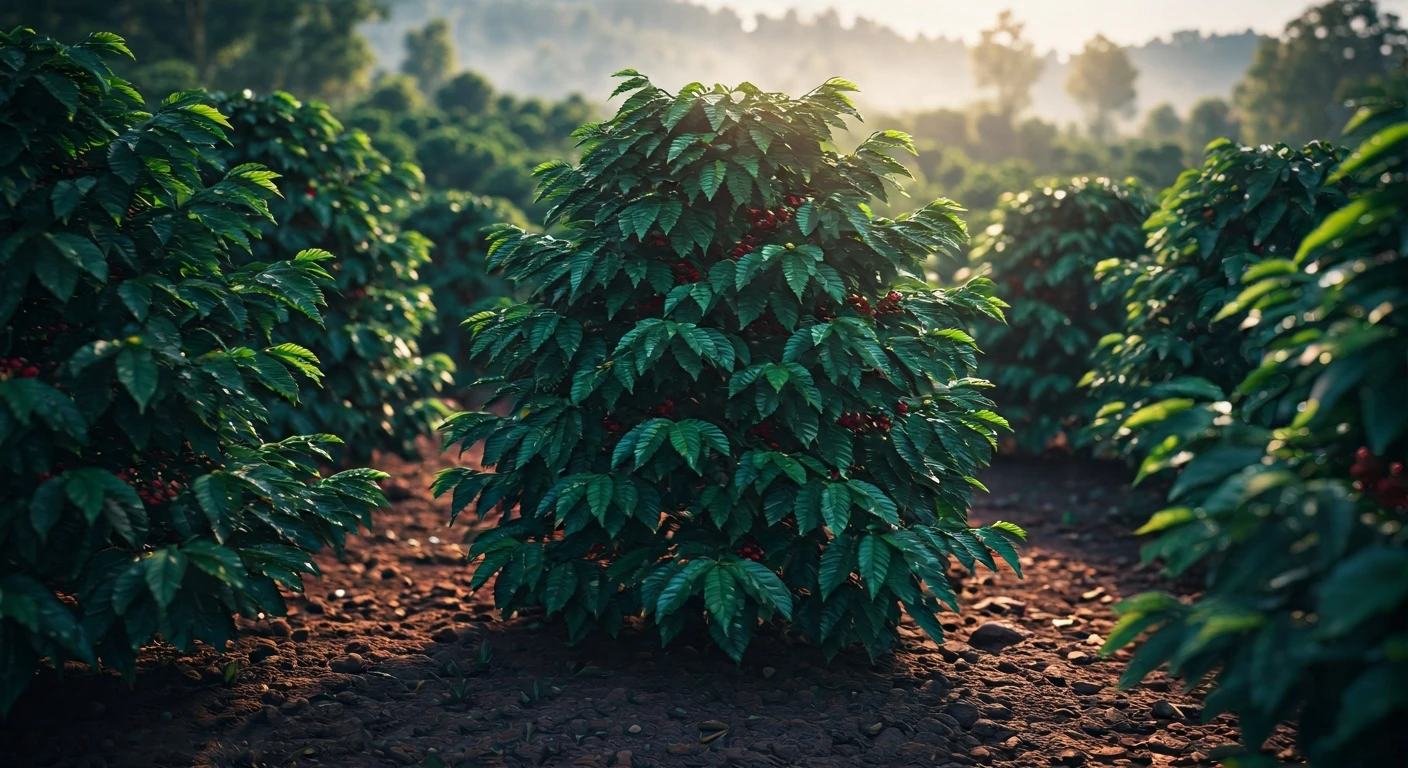
it has been marketed to both Indian city-dwellers and international tourists as a place to disconnect and step back in time. The promise is one of tranquility—long walks through coffee estates, birdwatching from a veranda, and sipping on freshly brewed coffee far from the chaos of modern life. This idyllic vision is powerful, fueled by glossy travel magazines and perfectly curated Instagram feeds that highlight heritage stays and spice garden tours. The appeal is rooted in a fantasy of a simpler, more elegant past, one where nature is pristine and life moves at a slower pace.
A Landscape Built by Empire
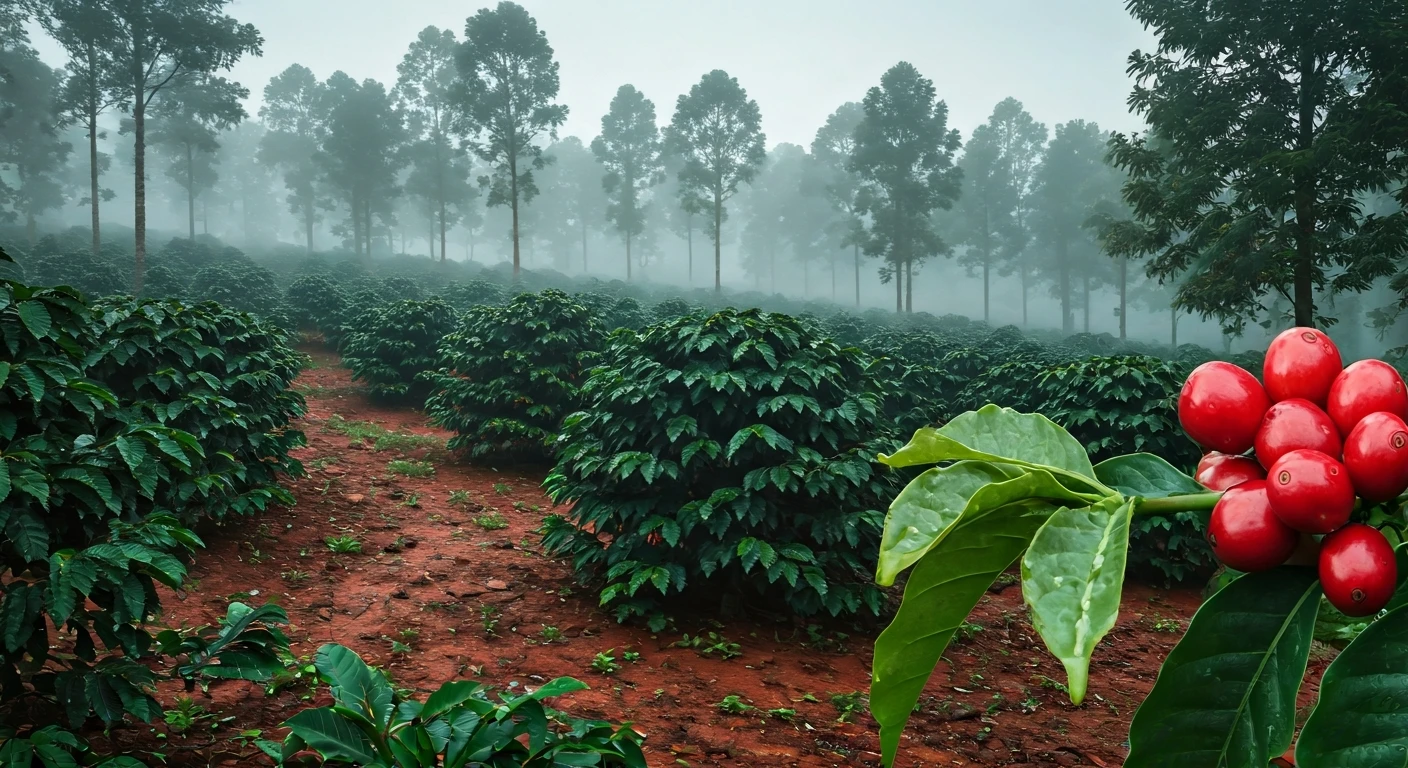
That romanticized past, however, has a complex and often glossed-over history. The perfectly manicured landscapes of Coorg are not entirely natural; they are the direct result of British colonialism. In the mid-19th century, the British identified the region's climate as ideal for coffee cultivation. They cleared native forests and established the vast plantations that define the area today. The charming bungalows that now serve as boutique hotels were originally built for British planters and managers who oversaw the enterprise. This history is inescapable, etched into the very geography of the place. While the colonial aesthetic is a key part of Coorg's modern appeal, it’s a reminder that this 'escape' was built on a system of resource extraction and hierarchical labor that fundamentally transformed the local ecology and society.
The Modern Plantation Experience
Today, staying on a plantation in Coorg is a highly curated experience. Guests are treated to impeccable hospitality, enjoying the fruits of a system whose mechanics remain largely invisible. But behind the serene backdrop is a complex engine of labor. The coffee industry here, as in many parts of the world, relies on a workforce that is often low-paid and migratory. The people picking the coffee cherries and maintaining the estates are typically not the ones who own the heritage bungalows. Their lives and labor are essential to the functioning of the fantasy, yet they are rarely part of the tourist narrative. The economics of coffee are also precarious. Small growers struggle with fluctuating global prices, climate change, and rising costs, making the romantic image of a gentleman farmer a relic of a bygone era for all but a wealthy few. The tourism revenue from plantation stays has become a crucial lifeline, creating a symbiotic but unequal relationship between the visitor and the visited.
Seeing Beyond the Romantic Haze
The romanticization of Coorg isn’t just about ignoring history; it’s about overlooking the present-day challenges. Unchecked tourism has put immense pressure on the region's fragile ecosystem. Increased construction, water shortages, and waste management issues threaten the very beauty that draws people in. Landslides, exacerbated by changing weather patterns and deforestation, have become a serious threat in recent years. This creates a fundamental tension: the more popular the romantic ideal of Coorg becomes, the more the reality on the ground is strained. The challenge for Coorg is to balance its economic dependence on tourism with the need to protect its environment and ensure an equitable future for all its residents, not just the ones who fit into the travel brochure.