




Beyond Reducing Your Trash
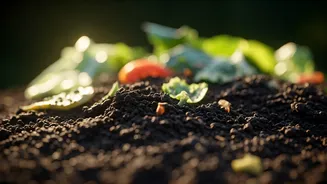
The most obvious benefit of composting is diverting food scraps from your garbage can. In the U.S., food is the single largest category of material placed in municipal landfills, where it rots and releases methane, a potent greenhouse gas. According to
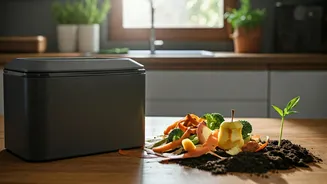
the EPA, food waste accounts for over 20% of landfill contents. When you compost, you’re not just making your trash can lighter and less smelly; you’re directly interrupting this cycle. Every banana peel, coffee ground, and eggshell you toss in a compost pile instead of a plastic bag is a small but meaningful win for the climate. It’s an immediate way to shrink your personal landfill footprint from your own kitchen.
From Kitchen Scraps to 'Black Gold'
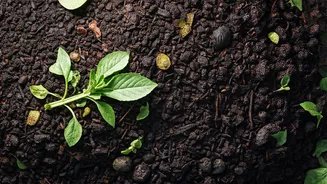
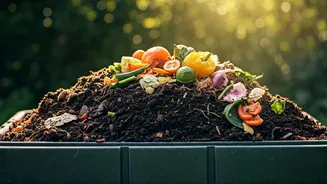
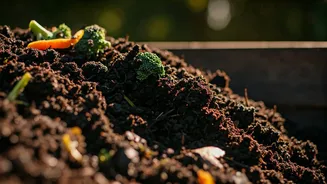
Composting isn’t just about getting rid of waste—it’s about creating a valuable resource. The end product is a dark, crumbly, nutrient-dense material that gardeners lovingly call “black gold.” This finished compost is a powerhouse for soil health. When mixed into garden beds or sprinkled on lawns, it improves soil structure, helps retain moisture (meaning you’ll water less), and reduces the need for chemical fertilizers. It slowly releases essential nutrients that plants need to thrive, leading to healthier flowers, more robust vegetables, and a more resilient yard. You’re essentially closing a natural loop: taking nutrients from food you ate and returning them to the earth to grow more food.
It’s Not as Complicated as You Think
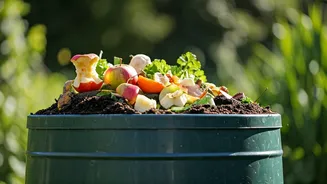
The idea of a compost pile often conjures images of a smelly, pest-infested mound that requires constant, back-breaking work. This is a common myth. A well-maintained compost system shouldn’t smell bad; if it does, it’s usually an easy fix, like adding more dry materials. Modern composting solutions, from sleek tumblers to compact indoor worm bins, are designed for convenience and cleanliness. The process itself is surprisingly passive. Your main job is to add a balanced mix of materials and occasionally turn the pile to aerate it. Nature does the rest, with an army of microorganisms breaking everything down for you. It’s less of a chore and more of a partnership with your backyard ecosystem.
Find Your Perfect Composting Method
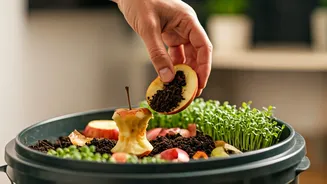
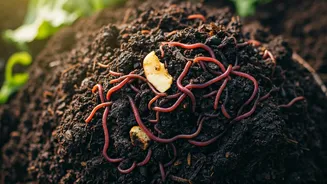
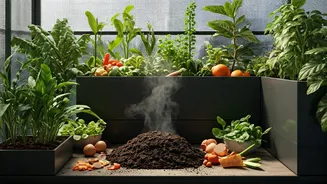
Getting started is all about choosing a system that fits your space and lifestyle. You don’t need a huge yard. For homeowners, a simple stationary bin or a rotating tumbler in a corner of the yard is a popular choice. Tumblers are particularly great for beginners as they make turning the compost easy and keep critters out. If you live in an apartment or have no outdoor space, vermicomposting (a worm bin) is a fantastic, odor-free indoor option that can fit under a sink or on a balcony. And if you’re not ready to manage your own system, many cities and private companies now offer curbside compost pickup or community drop-off sites. A quick search for “compost services near me” can reveal surprisingly convenient options.
The Simple Recipe: Browns and Greens
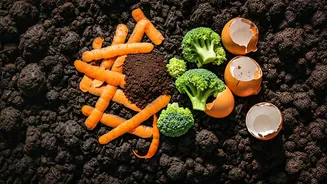
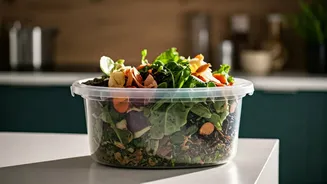
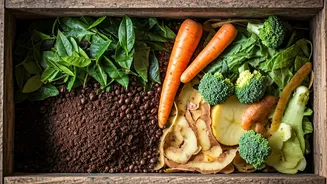
Successful composting boils down to a simple recipe: balancing “greens” and “browns.” **Greens** are nitrogen-rich, wet materials. Think kitchen scraps like fruit and vegetable peels, coffee grounds, and fresh grass clippings. They provide the protein for the microorganisms doing the work. **Browns** are carbon-rich, dry materials. This includes things like dried leaves, shredded newspaper, cardboard (without glossy inks or tape), and wood chips. They provide energy and create air pockets to prevent the pile from becoming a slimy, smelly mess. A good rule of thumb is to aim for a ratio of roughly two to three parts browns for every one part greens. Keep a small bin of dried leaves or shredded paper near your pile, and every time you add a bucket of kitchen scraps (greens), cover it with a layer of browns. This simple step keeps your compost pile healthy, airy, and odor-free.