




More Than Just a Salad
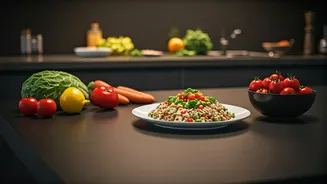
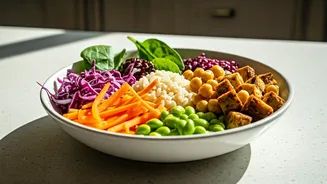
First, let's be clear: this isn't your average sad desk salad. The 'plant-forward bowl' taking over urban India is a complete, satisfying meal built on a foundation of creativity and nutrition. Imagine a base of indigenous grains like millet or red rice,
layered with spiced roasted vegetables, a hearty protein like masala chickpeas or grilled paneer, and perhaps a small portion of chicken tikka. It’s all brought together with a vibrant dressing—think a tangy tamarind vinaigrette or a creamy yogurt-herb sauce—and finished with a crunchy topping like toasted seeds or crispy onions. The term 'plant-forward' is key. It differs from traditional vegetarianism, which is a cornerstone of Indian culture. Instead, it’s a flexible, modern wellness philosophy that prioritizes plant-based ingredients without being dogmatically restrictive, reflecting a global trend localized for the Indian palate.
The Ultimate Convenience Food
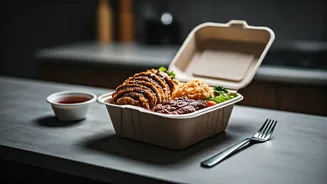
For young professionals juggling long commutes and even longer work hours, convenience isn't a luxury; it's a survival tool. The traditional Indian 'thali'—a platter featuring multiple small bowls of different dishes, rice, and bread—is a culinary masterpiece but is better suited for a leisurely meal. The bowl, by contrast, is engineered for a fast-paced life. It's a self-contained, one-dish wonder that can be eaten at a desk with just a fork. There’s no complex assembly and minimal cleanup. This format is perfectly optimized for India's booming food delivery ecosystem. Apps like Zomato and Swiggy have made it possible to have a curated, nutritious meal arrive in minutes, liberating young workers from the choice between a time-consuming home-cooked meal and unhealthy fast food. In a culture where family mealtime is sacred, the bowl offers a practical compromise for the individual on the go.
A New Chapter in Indian Wellness
The wellness movement is no longer a Western phenomenon. A new generation of Indians is embracing fitness, mindfulness, and, most importantly, conscious eating. They’re calorie-aware, macro-savvy, and influenced by global health trends seen on social media. The plant-forward bowl fits this new mindset perfectly. It's inherently customizable, allowing individuals to control their intake of carbs, proteins, and fats. It feels light and energizing, a stark contrast to some of the richer, heavier curries that can induce a post-lunch slump. This shift is also visual. These bowls are colorful, textured, and incredibly 'Instagrammable,' turning a simple lunch into a statement of personal well-being. It’s a way to signal participation in a global community focused on health, without abandoning the flavors and ingredients that feel like home.
Global Trend, Desi Heart
While the concept might have been inspired by the 'Buddha bowls' of California or the 'poke bowls' of Hawaii, what makes this trend so successful in India is its masterful adaptation. Chefs and food entrepreneurs aren't just copying a format; they are reinventing it with a distinctly Indian soul, or 'desi heart.' Quinoa is often swapped for local millets. Bland steamed vegetables are replaced with tandoori-roasted cauliflower or spicy stir-fried greens. Lentils and legumes, staples of the Indian diet for millennia, are given a starring role. The flavor profiles are complex, bold, and unapologetically Indian. You might find a bowl with flavors inspired by South Indian sambar or a dressing that mimics the tang of a North Indian chaat. This fusion ensures the meal feels both excitingly new and comfortingly familiar, making it a sustainable trend rather than a fleeting fad.