




The Farm in the Living Room
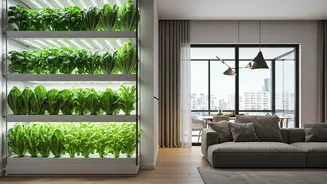
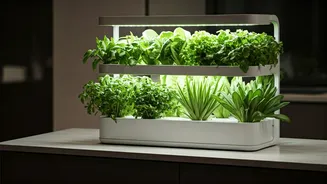
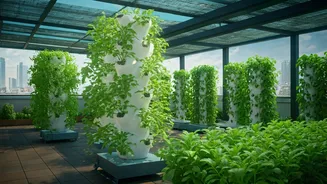
Imagine a sleek, glowing tower standing quietly in the corner of a high-rise apartment, sprouting vibrant leaves of lettuce, basil, and kale. This isn't a sci-fi prop; it's a personal vertical farm. These self-contained systems, often using hydroponic
or aeroponic technology, provide everything a plant needs to thrive—water, nutrients, and full-spectrum light—all without a single patch of soil. Using stacked layers, they maximize growing space on a minimal physical footprint, making them ideal for urbanites in compact homes. Far from being a clunky piece of agricultural equipment, modern units are designed with home aesthetics in mind, blending in like a piece of high-tech furniture that also happens to produce your next salad.
Cutting Out the Food Miles
The headline's claim of a “drastic” carbon footprint reduction hinges on one core concept: food miles. The average head of lettuce in a D.C. grocery store may have traveled over 2,000 miles from a field in California or Arizona. That journey involves refrigerated trucks, fuel consumption, and emissions every step of the way. Add in plastic packaging and spoilage during transit, and the environmental cost skyrockets. A household vertical farm eliminates this entire supply chain. Your produce is harvested moments before it’s eaten. The carbon footprint associated with its transportation, packaging, and commercial refrigeration drops to virtually zero. While it doesn't erase the carbon cost of your electricity or heating, for the food it replaces, the reduction is indeed dramatic. It’s a powerful personal intervention in a complex global system.
More Than Just Carbon Savings
The benefits of growing your own produce extend far beyond environmental math. First, there's the flavor. Anyone who has tasted a tomato fresh from the vine knows it’s a world apart from its supermarket counterpart. Hyper-local produce, picked at its peak, retains maximum flavor and nutritional value. Second is the reduction in food waste. Instead of buying a whole head of lettuce that might wilt in the crisper, you harvest only the leaves you need for that day’s meal, leaving the plant to continue growing. This “harvest-as-you-go” model is a game-changer for single-person or small households. Finally, there's the peace of mind that comes from knowing exactly what’s in your food—no pesticides, no herbicides, just clean water and light.
Is a Home Farm Right for You?
Embracing this technology does require some consideration. The initial investment for a quality system can range from a few hundred to over a thousand dollars. While you save on groceries over time, the upfront cost is a factor. These systems also require a small amount of regular maintenance, typically involving adding water and nutrients every couple of weeks. Space, while minimal, is another consideration; you'll need a dedicated spot near a power outlet. However, the range of available systems is expanding, from small countertop herb gardens to large, multi-plant towers capable of feeding a family. For many city dwellers, the trade-off is well worth it, providing a tangible connection to their food and a sense of empowerment in an often-impersonal food system.