



The Shifting Vacation Mindset
For decades, the sun-drenched beach has held a near-monopoly on the American vacation ideal. It was the default setting for relaxation, the ultimate escape from the daily grind. While the allure of the shore is far from over, its dominance is being challenged
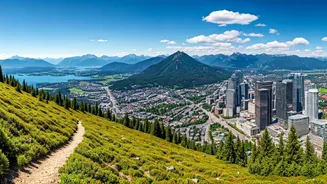
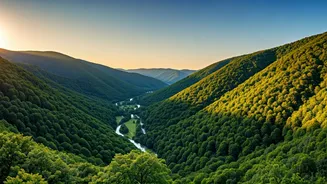
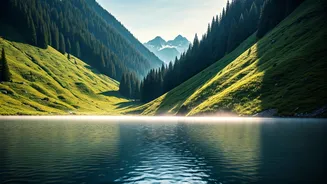
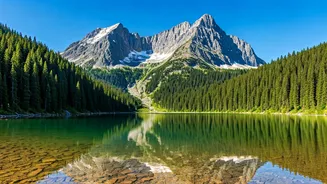
by a powerful counter-current: the call of the great outdoors. Travel industry data and anecdotal evidence alike point to a significant uptick in nature-based tourism. National Park attendance has surged, booking sites report increased demand for cabins and rural retreats, and social media feeds once saturated with bikini photos are now filled with misty mountain mornings and forest canopy shots. This isn't just about a few adventurous souls; it's a mainstream pivot toward vacations that prioritize activity, serenity, and a connection to the natural world over the passive sun-and-sand experience.
What Are 'Green Routes'?
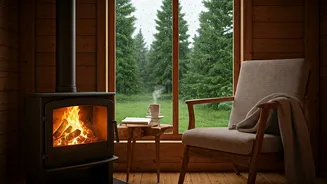
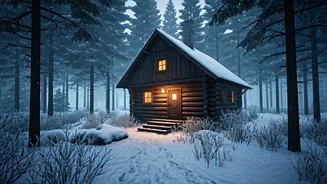
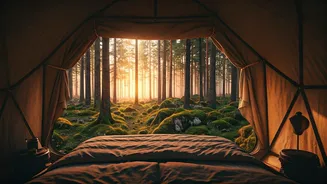
The term “green route” is less about a specific itinerary and more about an ethos. It encompasses a wide spectrum of travel styles that put nature front and center. At one end are the classic, rugged experiences: multi-day treks along the Appalachian Trail or backpacking through Yosemite. But the modern green route is far more accessible and diverse. It includes scenic road trips through national forests, staying in a design-forward A-frame cabin, or indulging in “glamping” (glamorous camping) where high-thread-count sheets meet starry night skies. It’s also about exploring the vineyards of Oregon’s Willamette Valley, kayaking through the bayous of Louisiana, or taking a culinary tour of Vermont’s farm-to-table scene. What unites these disparate experiences is a focus on immersion in a landscape, trading the crowded resort for a more personal, tranquil, and often more active, form of leisure.
Why the Great Outdoors Is Calling Now
Several factors are fueling this migration from the beach to the backcountry. The COVID-19 pandemic acted as a powerful accelerant, reminding a homebound population of the deep-seated need for open space and fresh air. It rewired our sense of luxury, making a secluded patch of wilderness feel more valuable than a bustling hotel pool. This shift is also driven by a broader wellness culture that champions activity and mindfulness. A week of hiking, kayaking, and exploring feels more aligned with personal growth goals than seven days of sipping cocktails. Furthermore, social media aesthetics have evolved. The #vanlife and #cabinporn movements have romanticized a slower, more deliberate way of engaging with the American landscape, making the forest as aspirational as the infinity pool. It’s a vacation that promises not just a temporary escape, but a sense of restoration.
A Deeper Search for Authenticity
Ultimately, the rise of the green route reflects a deeper cultural search for authenticity and connection. In an increasingly digital and disconnected world, travelers are seeking experiences that feel real and grounded. A beach vacation can sometimes feel generic, with the same chain hotels and tourist traps from Cancun to Florida. A journey through the Smoky Mountains or a drive along the Pacific Northwest coast, however, offers a unique sense of place. This trend also aligns with a growing environmental consciousness. While not all nature travel is inherently sustainable, it often encourages a greater appreciation for conservation and a lighter footprint. By choosing to spend time and money in these natural spaces, travelers are implicitly voting for their preservation, turning their vacation into a quiet statement of values.