








First, What Is the Monsoon?
Think of the Indian monsoon as the country's agricultural lifeblood. From roughly June to September, seasonal winds bring dramatic, drenching rains that are essential for the entire subcontinent. This isn't just a few afternoon showers; it's a massive
weather system that dictates the fate of India's farms. Nearly 60% of the country's farmers depend on this rainfall to water their crops, as many farms lack modern irrigation systems. A 'normal' monsoon means a bountiful harvest, stable food prices for India's 1.4 billion people, and a healthy rural economy. But a 'weak' or 'failed' monsoon, where rainfall is significantly below average, spells trouble. It means lower crop yields, depleted reservoirs, and the risk of widespread agricultural distress.
The Key Dominoes: Rice and Sugar
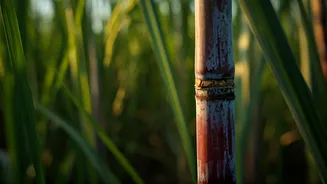
When the monsoon falters, the Indian government gets nervous, and for good reason. Its top priority is ensuring its own population has enough affordable food. This is where the global impact begins. Two of the most sensitive crops are rice and sugar. India is the world's largest exporter of rice and the second-largest producer of sugar. If a weak monsoon threatens the harvest of these staples, the government often steps in with a swift and powerful tool: export restrictions. To keep domestic prices from skyrocketing, they might ban or place heavy taxes on exports of non-basmati rice or sugar. We saw this happen in 2023. This move effectively removes a massive supplier from the global market overnight. The food India would have sold to the world is now kept at home, and other countries are left scrambling to find it elsewhere.
The Global Ripple Effect
This is where Economics 101 kicks in. When a huge chunk of global supply suddenly vanishes, but demand remains the same, prices go up—everywhere. Countries that relied on Indian rice and sugar are forced to bid against each other for supplies from other nations like Thailand, Vietnam, or Brazil. This bidding war drives up the global benchmark price for these commodities. Even if the United States doesn't import a large amount of, say, basic sugar directly from India, the price American companies pay on the world market is influenced by that higher global price. It creates a new, higher floor for what everyone pays. Your favorite brand of basmati rice, however, likely does come from India or Pakistan, so you might see that price jump more directly.
So, Will Your Grocery Bill Actually Spike?
Here's the crucial context for American shoppers: the link is real, but it's not always a straight line. For most items on U.S. shelves, the cost of the raw commodity is only a small fraction of the final price you pay. The rest is made up of labor, processing, transportation, marketing, and retailer profit margins. A 20% jump in the global price of raw sugar doesn't mean your bag of Domino will be 20% more expensive. However, you will feel the pinch in certain areas. Imported goods are the most vulnerable. That bag of high-quality basmati rice, specialty spices like cardamom and cumin, and even some cashews could see noticeable price hikes. The bigger, indirect effect is a general upward pressure on global food inflation, which contributes to the feeling that everything is just getting more expensive. It's another variable that food companies have to manage, and they often pass those increased costs, however small, along to the consumer.