
The Great Beige Burnout
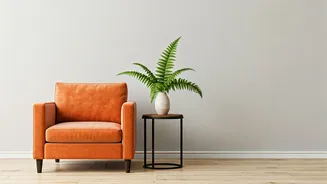
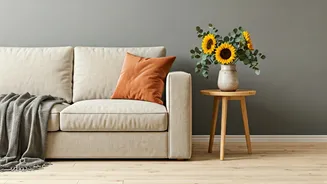
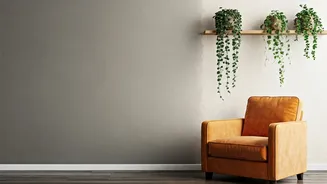
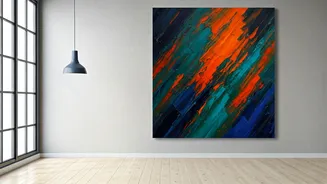
For the better part of a decade, the pinnacle of aspirational living was a specific brand of austere minimalism. You know the look: white walls, a greige sectional, a single fiddle-leaf fig wilting in the corner, and a conspicuous absence of personal
belongings. It was clean, sure. It was calming, perhaps. But for many, it began to feel soulless. Popularized by influencers and amplified by Instagram's algorithm, this aesthetic promised a life free of clutter but often delivered a home free of personality. Then, we all spent a lot more time at home. Staring at those same four beige walls, many people had a revelation: a home shouldn’t feel like a waiting room for the afterlife. It should feel like *your* life. The carefully curated emptiness started to look less like sophisticated taste and more like a failure of imagination. The backlash was inevitable.
Welcome to the 'Cluttercore' Renaissance
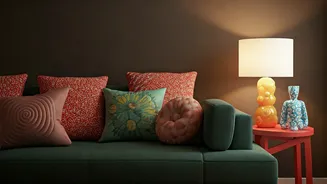
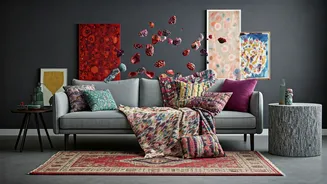
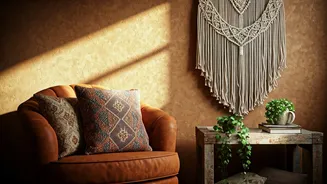
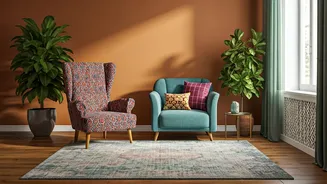
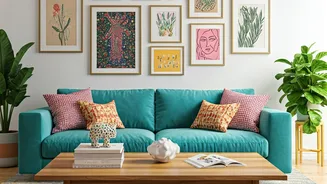
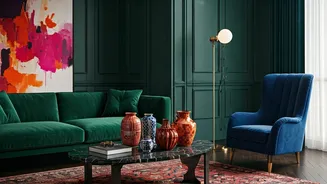
Enter the antidote to boring: a joyful, vibrant, and deeply personal approach to decor often dubbed “dopamine decor,” “joyful maximalism,” or even “cluttercore.” This isn't about hoarding; it's about storytelling. Instead of hiding possessions away in minimalist-approved storage bins, this trend celebrates them. It’s about surrounding yourself with objects that spark joy, conversation, or a fond memory. Think walls packed with mismatched art, shelves overflowing with books and quirky ceramics, and textiles that clash in the most delightful way. The unifying principle is you. If a mushroom-shaped lamp, a vintage concert poster, and a velvet, mustard-yellow armchair all make you happy, they belong together. The goal is to create a space that feels lived-in, loved, and unapologetically authentic. It’s a design philosophy that says, “I contain multitudes, and so does my living room.”
It’s Not Mess, It’s a Memoir
The “humour” in these homes isn’t about telling knock-knock jokes with throw pillows. It’s about wit, whimsy, and the delightful surprise of the unexpected. It’s a ceramic vase shaped like a cabbage, a framed needlepoint of a sarcastic phrase, or a serious-looking bust wearing a playful pair of sunglasses. This style rejects the idea that good taste has to be serious. Humour is found in the juxtaposition: a piece of high-brow art hanging next to a child’s crayon drawing, or a sleek, modern table adorned with a collection of kitschy salt-and-pepper shakers. It’s a wink and a nod that signals the owner doesn’t take themselves—or interior design rules—too seriously. Each object is a clue to the inhabitant's personality, a chapter in their home's memoir. This approach turns a house from a static showroom into a dynamic, evolving reflection of the people who live there.
Finding Your Home's Funny Bone
The best part about this trend is its accessibility. It’s not about buying a whole new set of designer furniture. In fact, it’s the opposite. It’s about building a collection over time. Start small by looking for pieces that genuinely make you smile. Browse flea markets, thrift stores, and your own attic for treasures. That strange painting your aunt gave you? Frame it ironically. That collection of souvenir shot glasses from college? Display it with pride. The key is to break free from the pressure of perfection. Paint a wall a daring color you’ve always loved. Buy the weird lamp. Hang the poster from your favorite movie. There are no rules, other than to choose things that resonate with you. This style is permission to be weird, sentimental, and eclectic—to finally let your home’s freak flag fly.