





The Core Idea: Adaptable Furniture
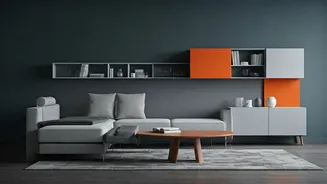
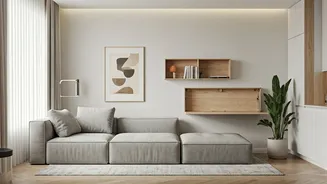
The trend isn't a specific color or material, but a philosophy: furniture should adapt to your life, not the other way around. Known as modular, convertible, or multi-functional design, it’s a direct answer to the demands of modern living. Think of a sleek
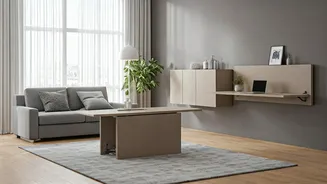
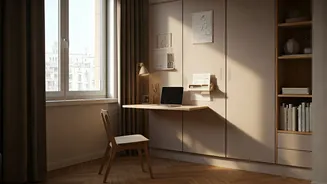
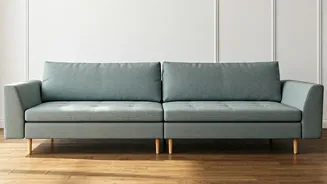
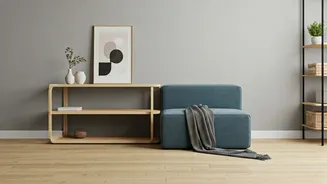
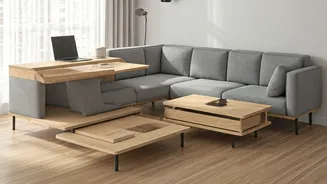
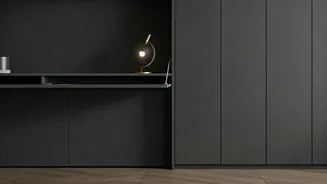
sectional sofa whose pieces can be reconfigured into an armchair and an ottoman, a stylish wall unit that hides a fold-down desk, or a coffee table that rises to become a dining surface. This isn't the clunky, awkward futon of your college dorm. Today’s adaptable furniture is sophisticated, thoughtfully engineered, and designed to integrate seamlessly into a well-curated home. It’s about owning fewer, better things that can serve multiple purposes, freeing up both physical and mental space.
Problem Solved: The Shrinking Floor Plan
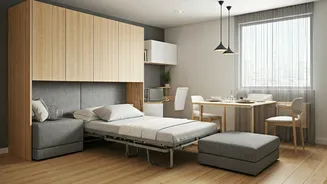
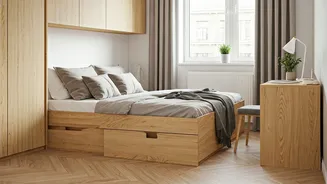
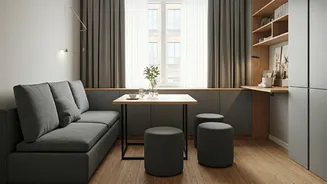
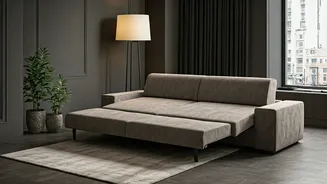
For millions of Americans, especially in urban centers, square footage is the ultimate luxury. The average new apartment is smaller than it was a decade ago, forcing us to get creative. Adaptable furniture is the ultimate space-saving hack. Instead of buying a separate guest bed that sits unused 95% of the time, a sleeper sofa or a stylish murphy bed that folds into a shelving unit provides the same function without sacrificing a room. Modular shelving can climb walls, using vertical space that is often neglected. Pieces that can be nested or stacked, like tables and stools, offer extra surfaces when you're hosting and disappear when you're not. This approach allows a one-bedroom apartment to have the functionality of a much larger home, making small-space living feel expansive rather than restrictive.
Problem Solved: The Everywhere Office
The remote work revolution permanently altered our relationship with home. The dining table became a desk, and the corner of the bedroom became a video-call backdrop. This has created a new problem: how do you “clock out” when your office is always in view? Multi-functional furniture provides a clear solution. The “cloffice,” or closet office, has become a popular concept, featuring built-in desks and shelving that can be hidden behind closed doors at the end of the day. Console tables that fold out into spacious desks offer a dedicated workspace that doesn’t dominate a living room. Even smaller pieces, like ottomans with hidden storage for laptops and paperwork, help maintain the boundary between work life and home life, reducing clutter and restoring a sense of peace to your personal space.
Problem Solved: Evolving Lifestyles and Budgets
Life isn't static. You might move from a studio to a house, have kids, or welcome an aging parent. Traditional furniture often can’t keep up, leading to a costly cycle of buying and discarding. Modular systems are designed for change. A sofa bought for a small apartment can be expanded with additional sections to fit a larger family room. A shelving unit that served as a media center in one home can be reconfigured into a room divider or a library wall in the next. This longevity offers significant financial and environmental benefits. By investing in a system that grows and changes with you, you reduce waste and avoid the need to constantly repurchase big-ticket items. It’s a more sustainable, long-term approach to furnishing a home, prioritizing flexibility over disposability.