



From Eyesore to Integrated Feature
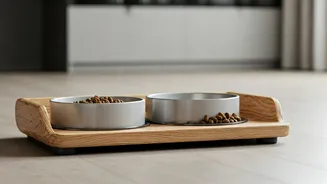
For decades, the default for feeding our furry companions has been a pair of mismatched bowls plopped in a corner of the kitchen or mudroom. They get kicked, they spill, and they collect a halo of dust and stray pet hair. A built-in feeding station fundamentally
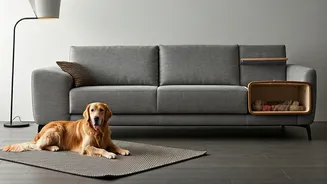
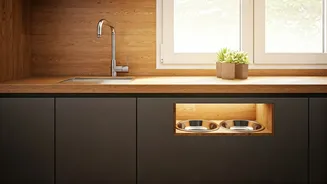
reimagines this approach. Instead of treating your pet’s dining area as an afterthought, it elevates it into a deliberate, integrated part of your home’s design. These custom nooks and drawers transform a daily necessity from a minor annoyance into a thoughtful design element. Whether tucked into the base of a cabinet, hidden in a pull-out drawer, or designed into the end of a kitchen island, the goal is the same: to create a dedicated, discreet, and dignified space for your pet to eat and drink.
The Promise of a Cleaner Home
The headline's claim of a “cleaner” home isn't just wishful thinking; it’s rooted in practical design. First and foremost, built-ins solve the problem of sliding and tipping bowls. By securing the bowls within a fixed structure, you eliminate the risk of an enthusiastic eater sending their dinner skittering across the tile. Spills from messy drinkers are also better contained. A recessed station with a waterproof lining acts like a miniature tray, catching splashes before they can spread across your floorboards. Furthermore, getting the bowls off the main floor path makes cleaning a breeze. You can sweep or vacuum right up to the cabinet base without having to stop, pick up the bowls, clean under them, and put them back. It’s a small change that removes a recurring obstacle from a daily chore, resulting in a floor that's consistently tidier.
Achieving That 'Cuter' Aesthetic
While cleanliness is a huge plus, the aesthetic upgrade is what truly sells the concept. A built-in feeding station communicates a sense of order and intention. It says that every member of the family, including the four-legged ones, has a thoughtfully designed place. Instead of a clunky plastic stand or a stained mat disrupting the clean lines of your kitchen, you get a seamless, cohesive look. Cabinet makers can match the style, color, and hardware of your existing cabinetry, making the pet station look like it was always meant to be there. This design choice is the opposite of hiding your pet’s presence; it’s about celebrating it in a stylish, sophisticated way that enhances your home's overall appeal rather than detracting from it.
Popular Styles to Consider
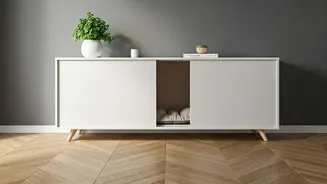
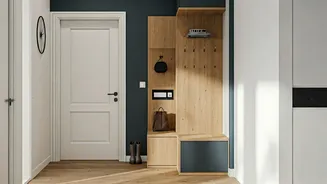
If you're inspired to make a change, there are several popular approaches. The 'pull-out drawer' style is a fan favorite for its discretion. Often built into a low cabinet, it functions like a pull-out trash bin; just slide it open for mealtime and tuck it away when your pet is finished. This is perfect for small spaces and for keeping food out of sight. Another common design is the 'open nook.' This involves creating a cubby at the bottom of a cabinet run or at the end of an island, with the bowls permanently recessed inside. It’s less hidden but provides constant access to water. For a truly custom feel, you can build a feeding station into a dedicated piece of furniture, like a mudroom bench or a freestanding sideboard, often with storage for food and treats built in above or beside it.
A Few Practical Considerations
Before you call a contractor, think through the logistics. Water is the enemy of wood, so ensure any built-in design uses removable, dishwasher-safe stainless steel bowls and includes a waterproof liner in the base to protect your cabinetry from inevitable splashes. Consider your pet's ergonomics. For larger or older dogs, an elevated station can be better for their posture and digestion. The height of the built-in should be comfortable for them, preventing strain on their neck and joints. Finally, think about cleaning. While the floor will be cleaner, the station itself will need wiping down. A design with easily removable bowls and a smooth, non-porous surface will make that task much simpler.