






The Burnout Backlash
For decades, the badge of honor for a business traveler was endurance. It was about how many cities you could hit in a week, how little sleep you could function on, and how seamlessly you could transition from a cramped economy seat to a high-stakes presentation.
The cost of this lifestyle—chronic stress, poor nutrition, disrupted sleep, and social isolation—was simply accepted as the price of ambition. But the pandemic-induced pause on travel forced a collective reckoning. Professionals who suddenly had their evenings and weekends back began questioning whether the constant grind was worth it. Companies, facing the Great Resignation and a renewed focus on employee mental health, realized that a travel policy that burns out their best people is a strategic failure. The 'road warrior' is being replaced by the 'intentional traveler,' who expects work trips to be productive without being destructive.
From 'Bleisure' to Integrated Well-Being
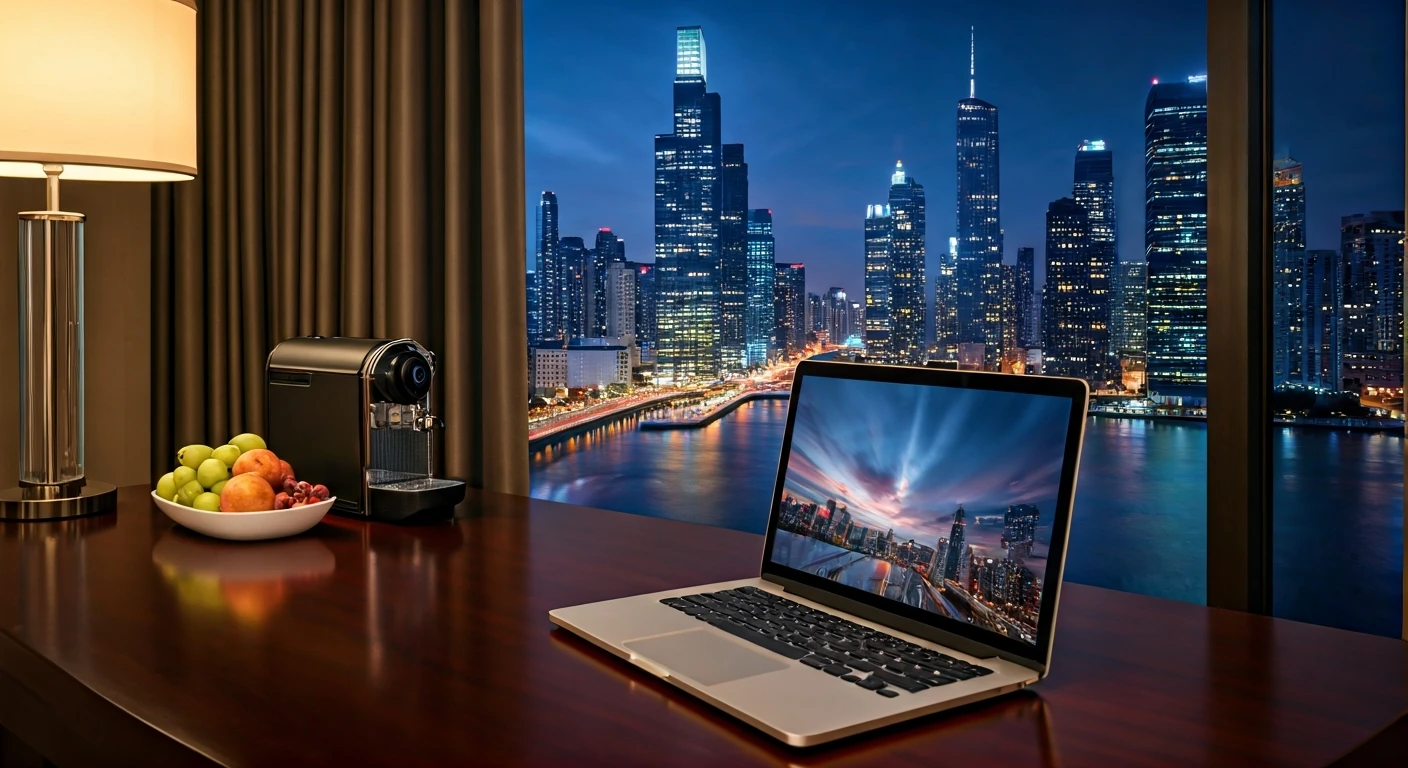
The concept of 'bleisure'—tacking a few vacation days onto a work trip—was the first step. But the wellness era goes deeper. It’s not about separating work from leisure but integrating well-being into the fabric of the entire journey. This shift is reshaping the hospitality industry. Hotels are no longer just providing a bed and a desk; they are becoming wellness hubs. Brands like Westin have built their identity around wellness for years, but now the entire market is catching up. Hyatt acquired the wellness resort brand Miraval, while Hilton has rolled out its 'Five Feet to Fitness' rooms, which include over a dozen pieces of fitness equipment and guided workout tutorials. It’s also about smaller touches: enhanced in-room lighting that mimics natural daylight, partnerships with meditation apps like Calm or Headspace, and room service menus featuring healthy, locally sourced options instead of just a club sandwich and fries.
The New Corporate Mandate
This transformation isn't just being driven by employee demand; it's becoming a core part of corporate strategy. Companies are realizing that the ROI of a well-rested, mentally sharp employee far outweighs the marginal cost of a healthier meal or a direct flight. Travel policies are being rewritten to reflect this. Strict rules are being replaced with flexible guidelines that empower employees to make choices that support their well-being. This can include approving flights at more civilized hours, allowing for premium economy or business class on long-haul routes to improve sleep, or providing allowances for fitness activities. Some companies are even experimenting with 'no-meeting' travel days to allow employees to acclimate to a new time zone before diving into work. In a tight labor market, a human-centric travel policy has become a powerful tool for recruitment and retention, signaling that a company values its people as more than just assets on a balance sheet.
Technology and Tools for the Road
Fueling this movement is a new ecosystem of technology designed to make travel healthier and more seamless. Corporate booking platforms are beginning to integrate wellness metrics, allowing travelers to filter hotels by their fitness amenities or proximity to green spaces. Expense apps can now automatically categorize wellness-related spending, making it easier for employees to get reimbursed for a gym day pass or a yoga class. Meanwhile, airports are also getting in on the trend. Once a landscape of fast-food courts and duty-free shops, terminals are increasingly home to yoga rooms, nap pods, and premium lounges that offer spa services and healthy food bars. This holistic approach ensures that from the moment a traveler leaves their home to the moment they return, opportunities for well-being are built into the experience, not just an afterthought.