




Moving Beyond the Standard Mango
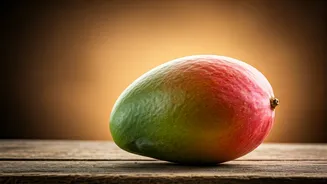
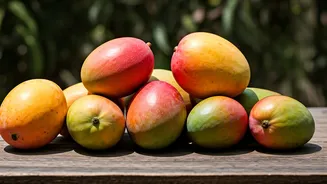
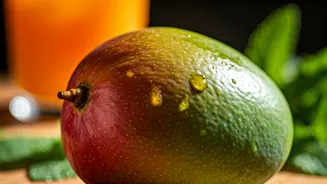
Step into any major grocery store from May to September, and you'll likely find a pyramid of Tommy Atkins mangoes. They’re prized for their blush-red skin, long shelf life, and ability to survive a long journey from Mexico, Ecuador, or Peru. They are,
for all intents and purposes, the workhorse of the mango world. But while they are reliable, they are far from the most flavorful. The trade-off for that durability is often a fibrous texture and a flavor that’s more sweet than complex. This has created a culinary blind spot for many Americans, who assume that a mango is just a mango. That perception is finally changing. A growing appreciation for local produce, unique flavors, and agricultural diversity is fueling a quiet revolution. Foodies, chefs, and curious home cooks are discovering that, like apples or tomatoes, mangoes have incredible variety. There isn't one 'mango flavor'—there are hundreds. And some of the most exciting varieties are now being grown right here in the U.S., offering a taste of the tropics without the trans-oceanic shipping.
Welcome to the American Mango Belt
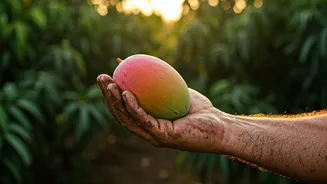
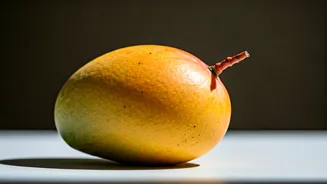
While mangoes need a tropical climate, dedicated growers have established thriving pockets of cultivation in the U.S. The undisputed capital of this movement is South Florida. Areas like Pine Island, the Redlands, and Homestead are dotted with small farms growing dozens of 'condo' mango varieties—so named because their trees are small enough to fit in a suburban yard. These aren't the fibrous Tommy Atkins. Here, you’ll find creamy, custardy, and completely stringless varieties with names that sound like poetry: the coconut-inflected Coconut Cream, the intensely sweet and spicy Honey Kiss, and the citrus-noted Lemon Zest. These fruits are delicate and don’t ship well, which is precisely what makes them a special, regional treat. Driving through South Florida during mango season is an experience in itself, with handwritten 'MANGOES' signs popping up on every corner. California and Hawaii also have their own smaller but passionate mango-growing communities, each cultivating varieties suited to their specific microclimates. Seeking them out transforms a simple fruit purchase into a culinary treasure hunt.
The Festival and the Fun
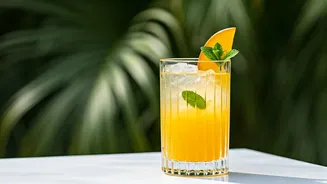
This newfound appreciation isn't just happening on farms; it's a full-blown cultural event. The 'fun' part of mango season is becoming as important as the fruit itself. The most famous celebration is the International Mango Festival held at the Fairchild Tropical Botanic Garden in Coral Gables, Florida. It's a multi-day extravaganza featuring tastings of hundreds of cultivars, mango-themed cooking classes, and a legendary mango auction where collectors bid on rare and new varieties. But the spirit extends beyond organized festivals. Pop-up mango stands become neighborhood gathering spots. Restaurants roll out special menus featuring mango salads, mango cocktails, and savory mango-glazed entrees. Breweries are even getting in on the action, releasing seasonal mango sours and IPAs. It's a collective celebration of peak-season abundance, turning the arrival of local mangoes into an event to look forward to all year.
How to Join the Mango Party
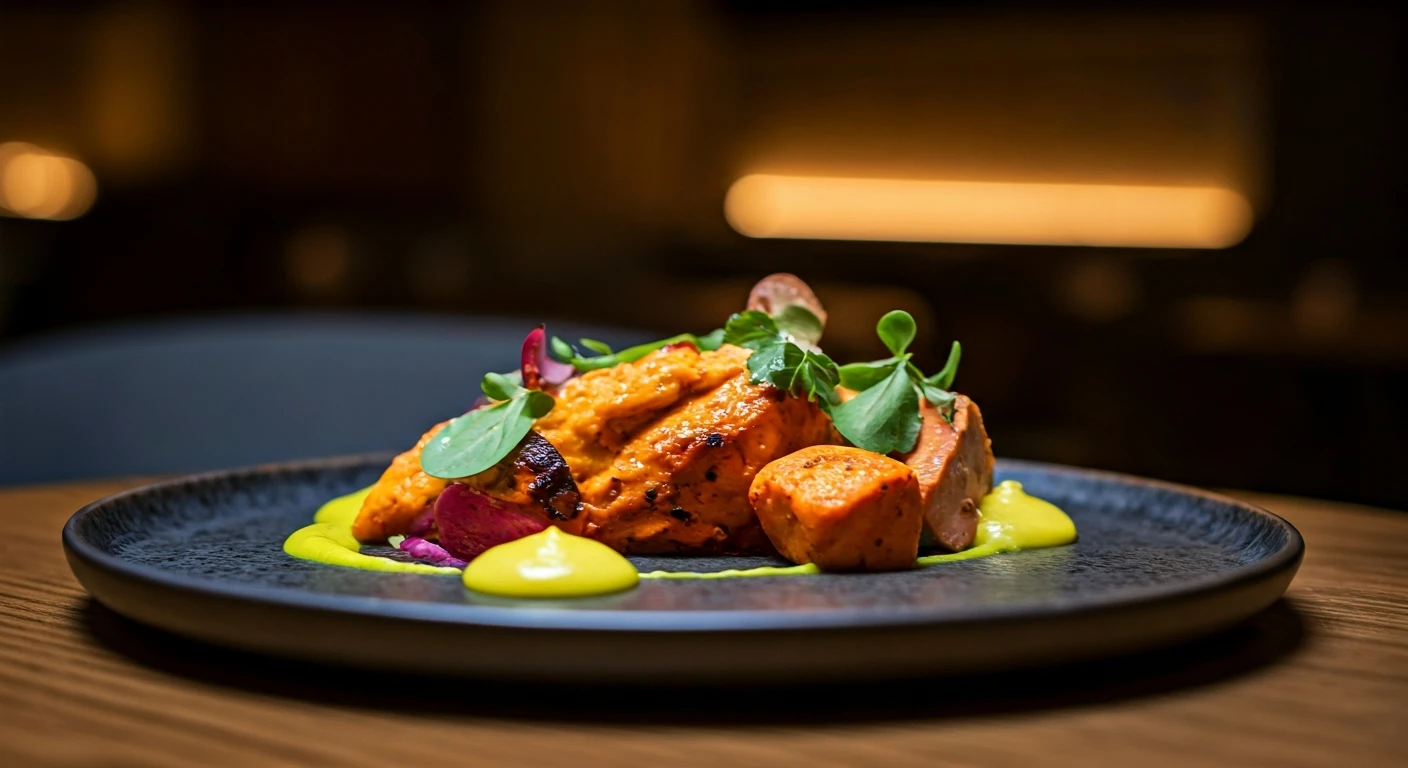
So, how do you get in on this? First, think seasonally and locally. Check for farmers' markets in warmer states like Florida, California, Texas, and Hawaii during the summer. Many smaller U.S. farms, like those on Pine Island, now ship curated boxes of their best seasonal varieties directly to consumers. It's a fantastic way to sample a range of flavors you'll never find in a store. Once you have a truly great mango, think beyond just slicing and dicing. The complex flavors of these specialty varieties shine in new applications. Try grilling thick slices to caramelize their sugars and serve them with pork or chicken. Make a batch of classic mango sticky rice, a Thai dessert that highlights the fruit's creamy texture. Or, for a simple, exhilarating treat, slice a ripe mango, squeeze fresh lime juice over it, and sprinkle with a pinch of chili powder and salt. It’s a flavor combination that will make you forget the bland supermarket mango forever.