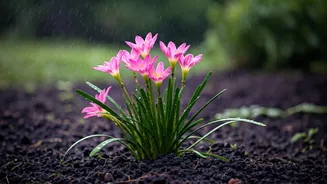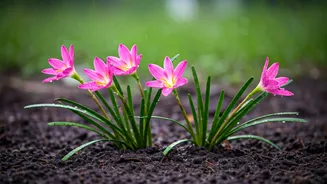




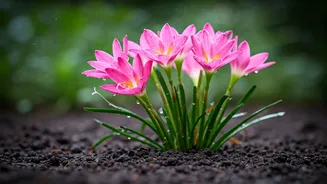




Meet Nature’s Surprise Party
So, what exactly are these apparitions? Rain lilies, most commonly from the genus *Zephyranthes*, are small, flowering bulbs native to the Americas. You might also hear them called zephyr lilies, fairy lilies, or storm lilies—names that hint at their
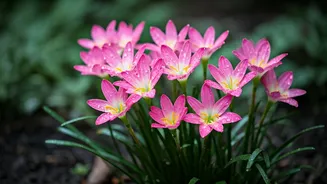
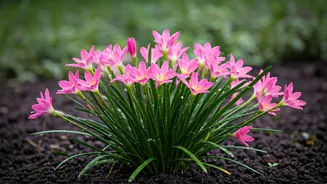
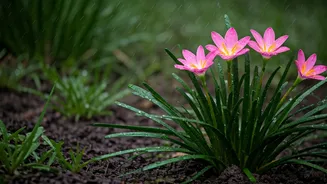
sudden, almost magical, appearance. They typically produce a single, delicate flower atop a slender stem, with grassy foliage that can easily be overlooked for most of the year. Their blooms come in shades of white, pink, and yellow, looking like crocus flowers that got lost and decided to show up to the summer party instead. For weeks or even months, a patch of rain lilies is just an unremarkable clump of leaves. Then, seemingly overnight, it becomes a carpet of color.
The Science of the Sudden Bloom
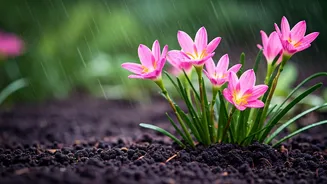
The common wisdom is that “the rain makes them bloom,” but the truth is a bit more complex and a lot more interesting. It’s not just the water. Rain lilies are adapted to climates with distinct wet and dry seasons. During dry periods, the bulbs go into a state of dormancy, conserving energy underground. The bloom is triggered by a specific combination of environmental cues. The first is a significant barometric pressure drop, which often precedes a major storm. This signals to the plant that a soaking rain is likely on its way. The second trigger is the rain itself—a heavy drenching that thoroughly saturates the soil. This sudden influx of water breaks the bulb’s dormancy and essentially gives it the green light. The plant’s internal clock, which has been paused, suddenly starts sprinting. This sophisticated survival mechanism ensures the lily doesn’t waste its energy trying to bloom during a light sprinkle; it waits for the gully washer that guarantees enough moisture to see it through flowering and seed production.
A Fleeting, Furious Spectacle
Part of what makes rain lilies so special is the brevity of their performance. Once triggered, they move fast. Flower stalks can shoot up in just a couple of days, and the blooms often open within 24 to 48 hours of the storm's passing. A whole colony will often bloom in near-perfect synchrony, creating a breathtaking, if temporary, spectacle. Each individual flower may only last for a day or two, and the entire floral show for a patch might be over in less than a week. This ephemeral nature adds to their charm. You can’t plan for it, you can’t schedule it, and if you’re not paying attention, you might miss it entirely. It’s a powerful reminder of nature’s spontaneous beauty—a fleeting gift for those who are looking.
Where to Spot These Beauties
In the United States, rain lilies are most at home in the warmer climates of the South and Southwest. States like Texas, Louisiana, and Florida have native species that pepper roadsides, meadows, and gardens after summer thunderstorms. The most common native, *Zephyranthes atamasca* (the Atamasco lily), is found throughout the Southeast. However, their charm and resilience have made them popular garden bulbs far beyond their native range. Many species are hardy to USDA Zone 7, and gardeners across the country plant them in pots or sunny, well-drained spots in their yards. They are exceptionally low-maintenance. Gardeners essentially plant the bulbs and then forget about them, letting nature decide when it’s time for the show. Their ability to thrive on neglect and then burst into surprising beauty makes them a favorite for even the most forgetful plant owner.