



The Quiet Alternative
For many travelers, a trip to the Indian Himalayas means navigating the bustling hill stations of Shimla or Manali, where charming colonial architecture now competes with traffic jams and commercial strips. These destinations, while beautiful, can feel
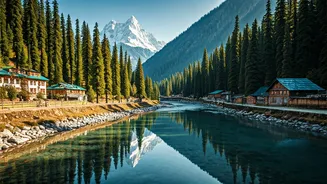
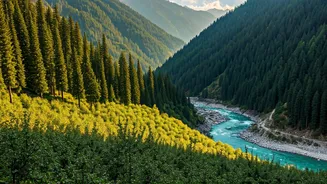
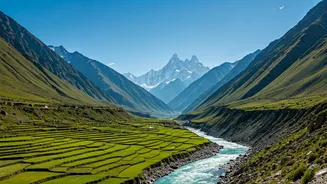
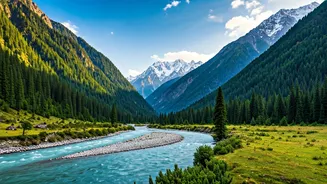
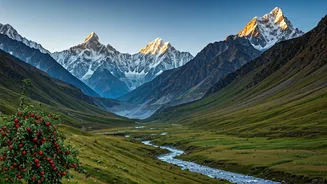
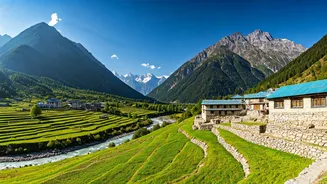
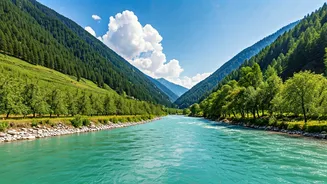
like victims of their own success. The very peace seekers come for is often drowned out by the noise of tourism. Harsil, a small village nestled on the banks of the Bhagirathi River, is the antidote. Located at an altitude of about 9,000 feet, it exists in a different rhythm. Here, the soundtrack is the rushing river and the rustle of deodar leaves, not car horns. It’s a place that has managed to preserve its authentic Garhwali character, offering a glimpse into a mountain life that feels worlds away from the packed 'mall roads' of its more famous counterparts. For the American traveler seeking immersion over itineraries, Harsil delivers the Himalayan experience in its purest form.
A Valley of Apples and Legends
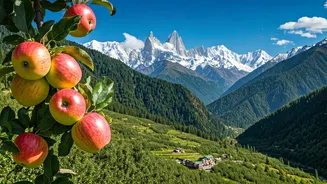
Harsil’s visual identity is defined by its sprawling apple orchards, a legacy tied to a fascinating piece of local history. In the 19th century, a British army deserter named Frederick E. Wilson, nicknamed 'Pahari' (Mountain) Wilson, settled here. He is credited with introducing apples to the valley, an agricultural move that transformed the local economy and landscape. Today, walking through these orchards, especially during the blossom season in spring or the harvest in late summer, is a core part of the Harsil experience. Wilson’s story adds a layer of frontier mystique to the valley, a reminder that this serene hideaway was once the personal kingdom of an eccentric adventurer. His 'Wilson Cottage' still stands, a relic of a bygone era, further cementing the town's unique character.
Gateway to Natural Wonders
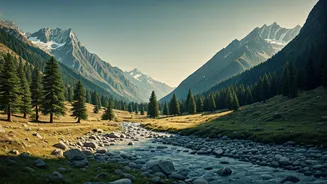
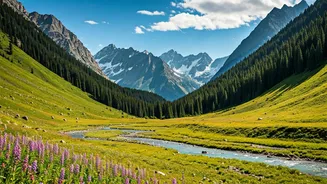
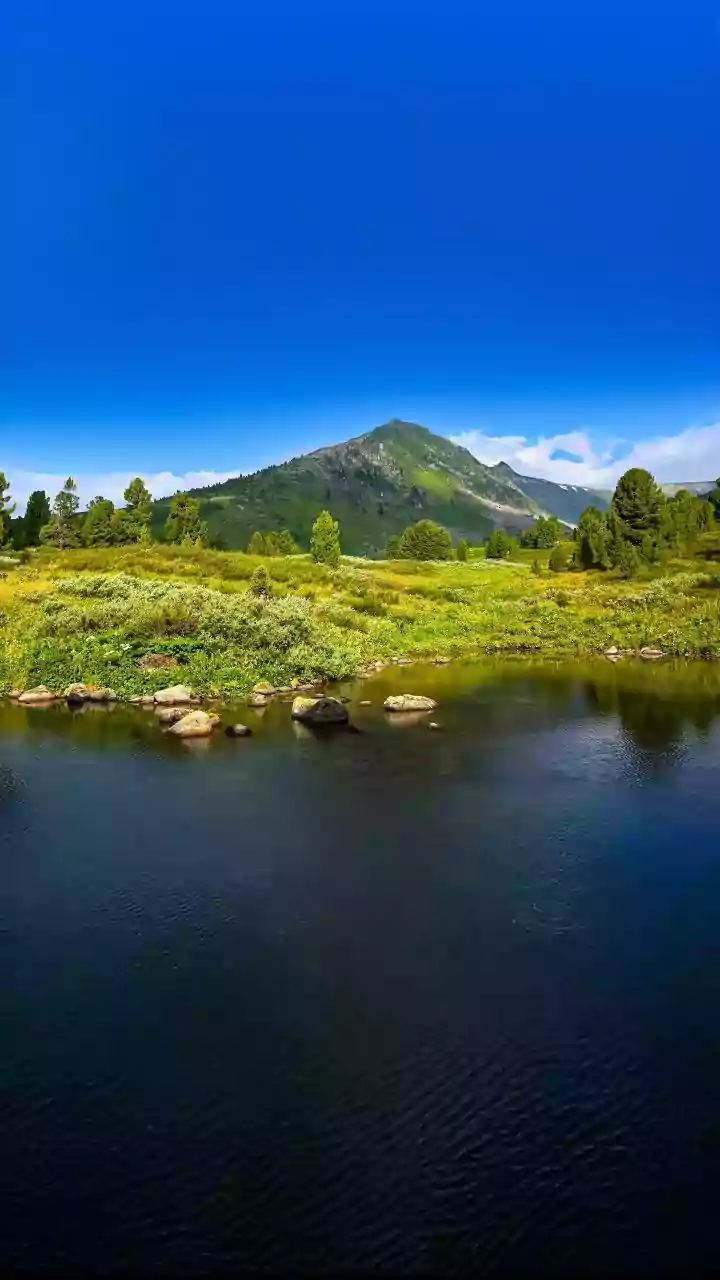
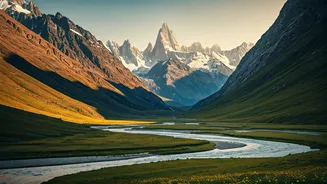
While Harsil itself is a destination for quiet contemplation, it also serves as a spectacular base for exploring the surrounding wilderness. The valley is crisscrossed with gentle walking trails that lead through pine forests, alongside the gushing river, and to tiny, isolated hamlets. For more ambitious hikers, a popular trek leads to Sattal, a group of seven interconnected high-altitude lakes that offer breathtaking reflections of the snow-capped peaks. Because Harsil is on the route to the sacred Gangotri Temple, one of the four key pilgrimage sites in the Char Dham Yatra, it provides access to one of the most spiritually significant and scenically dramatic regions in the Himalayas. You can use the village as a comfortable and peaceful launchpad for day trips into the higher reaches of Gangotri National Park, leaving the pilgrim crowds behind each evening.
The Soul of the Hills
Beyond its natural beauty, Harsil possesses a quiet spiritual energy. A short walk from the main village is Mukhba, a small hamlet that serves as the winter home for the idol of the goddess Ganga. When the main Gangotri temple closes for the harsh winter due to heavy snowfall, the deity is brought down to Mukhba in a ceremonial procession. Visiting the temple here offers a more intimate and accessible spiritual experience than the grand, often crowded affair at Gangotri. The architecture is traditional, the priests are welcoming, and the atmosphere is deeply reverent. This cultural facet adds a rich layer to a visit, connecting you not just to the landscape but also to the ancient faiths that have shaped life in these mountains for millennia.
Planning Your Himalayan Escape
Getting to Harsil requires a bit of a journey, which is precisely why it remains so pristine. The nearest airport is Jolly Grant in Dehradun, about 150 miles away. From there, it's a stunning, winding 8-to-9-hour drive through the mountains, passing through towns like Rishikesh and Uttarkashi. This road trip is an adventure in itself, offering dramatic vistas at every turn. The best times to visit are from April to June, when the weather is pleasant, and from September to November, for crisp air and clear post-monsoon views. Accommodations in Harsil are not five-star resorts but charming guesthouses, homestays, and eco-lodges that prioritize hospitality and connection to nature. Booking a homestay allows you to experience authentic Garhwali food and culture firsthand, completing the immersive escape from the ordinary.