


Understanding the Monsoon
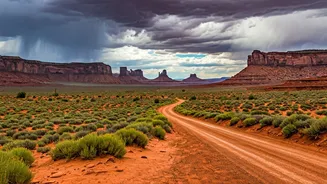
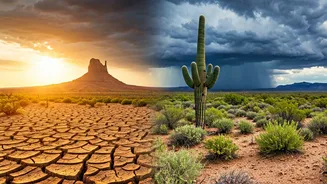
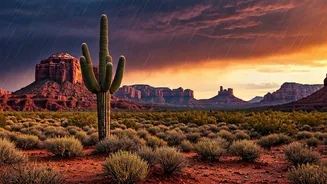
When Americans hear “monsoon,” they might picture Southeast Asia’s torrential wet season. But the U.S. has its own version: the North American Monsoon. This weather pattern pulls moist, tropical air from the Gulf of California and the Pacific into the arid
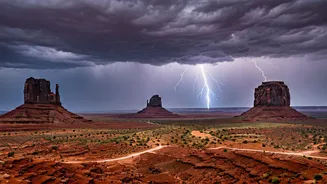
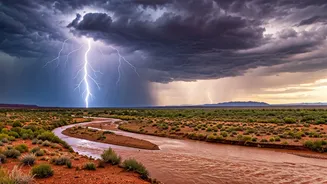
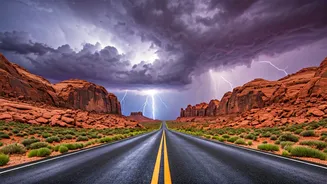
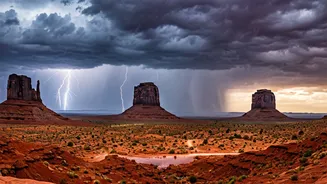
Southwest—primarily Arizona, New Mexico, and parts of Utah, Colorado, and California. It doesn’t rain all day. Instead, the pattern is one of bright, hot mornings followed by the afternoon buildup of colossal thunderheads. These clouds often unleash short, intense, and highly localized downpours, complete with lightning, strong winds, and a sudden drop in temperature. For travelers, this means the landscape can change from bone-dry to dangerously flooded in a matter of minutes.
Why Flexibility is Non-Negotiable
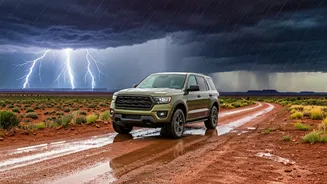
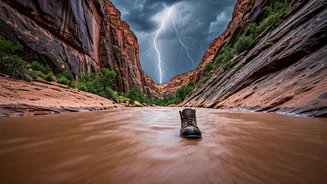
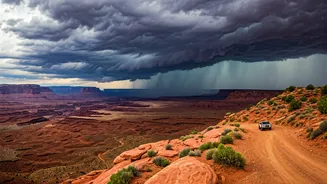
The primary danger during monsoon season is flash flooding. The baked, hard-packed desert soil doesn’t absorb water well, so rain quickly turns into powerful runoff. This water funnels into the arroyos, washes, and slot canyons that make the region so stunning. A storm that’s miles away, completely out of your sight, can send a wall of water rushing down a canyon you’re hiking in. The National Park Service constantly warns visitors that “when it rains, you must get to higher ground.” Beyond the backcountry, these storms can wash out dirt roads, close major highways, and make trailheads inaccessible. A rigid, point-A-to-point-B itinerary is a recipe for disappointment and, potentially, danger. A flexible plan isn't just a good idea; it's a critical safety measure.
Plan for Two Adventures, Not One
The smartest way to embrace flexibility is to build a “Plan B” into every day. Your “Plan A” might be a morning hike in a national park. But what happens if the trail is closed or storms roll in early? Your “Plan B” should be an entirely different type of activity that isn't weather-dependent. This could be visiting a local museum (like the Museum of Northern Arizona in Flagstaff), exploring the art galleries of Santa Fe, finding a cozy coffee shop, or taking a scenic drive on a well-maintained paved road that isn't prone to flooding. By having a great backup option ready, a change in weather feels less like a failed plan and more like a pivot to a different kind of adventure.
Book Your Home Base Strategically
Where you stay matters immensely. Instead of booking a remote cabin at the end of a single dirt road, consider basing yourself in a town that acts as a hub. Places like Moab, St. George, Flagstaff, or Sedona offer access to multiple parks, monuments, and wilderness areas in different directions. If the road to Zion National Park’s main canyon is backed up or a storm is drenching the north, you can pivot and explore Snow Canyon State Park or a lesser-known trail. A central location gives you options, which is the currency of successful monsoon travel. Check lodging cancellation policies before you book, favoring places that offer more flexibility in case your broader plans need to shift dramatically.
Master the Art of the Early Start
The monsoon has a rhythm, and you should, too. The mornings are almost always your best bet for clear, stable weather. Use them. Get up early to tackle your big hike, bike ride, or outdoor exploration. Aim to be off the trail and heading back to safety by early afternoon, when the clouds typically start to gather. This “hike early, relax later” strategy aligns your day with the weather's natural pattern. It also allows you to enjoy the spectacle of an afternoon storm from a safe vantage point—like the porch of a brewery or the window of your hotel—rather than being caught out in it.
Embrace the Unexpected Detour
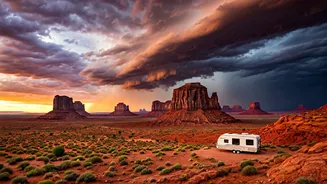
Ultimately, traveling during the monsoon requires a shift in mindset. A washed-out road isn't a ruined day; it's a chance to discover the small town two exits back that you would have otherwise ignored. A rained-out hike is an opportunity to get to know the local culture, try a new restaurant, or simply rest. The reward for this flexibility is immense. You get to witness the desert in its most vibrant state: wildflowers blooming, the air thick with the smell of creosote and rain, and sunsets painted in impossible colors by the lingering moisture and dust in the atmosphere. These are the moments that a rigid schedule will never allow for.