




1. Tires: Your First Line of Defense
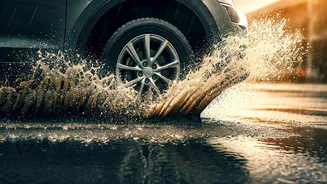
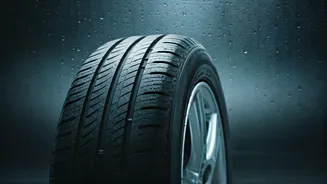
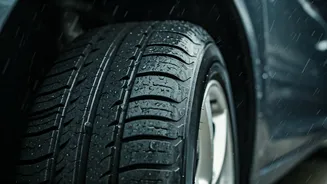
During a monsoon, your tires are the single most important safety feature on your car. The immediate, intense rainfall can create a layer of water on the road faster than it can drain, leading to a high risk of hydroplaning—where your tires lose contact
with the asphalt and you lose all control. Before the season starts, check your tire tread depth. The classic method is the penny test: place a penny upside down in a tread groove. If you can see all of Abraham Lincoln's head, your treads are worn below the safe limit (2/32 of an inch) and it's time for new tires. Good tread depth is essential for channeling water away from the tire's footprint, maintaining grip on slick surfaces. Also, check your tire pressure. Both underinflated and overinflated tires can reduce traction and affect handling, which is the last thing you want when navigating a storm.
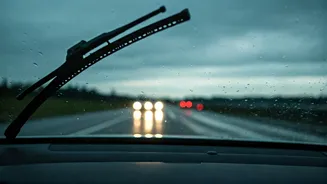
2. Wiper Blades & Fluid: See and Be Seen
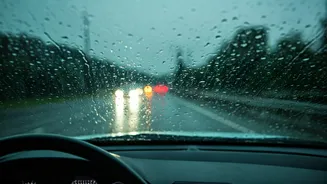
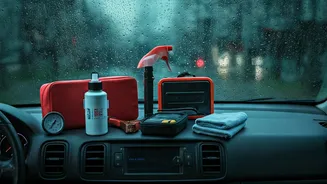
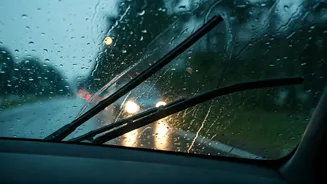
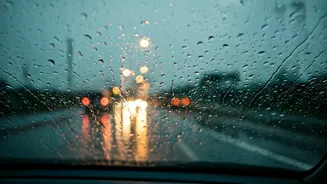
Visibility drops to near zero in a heavy downpour. Your windshield wipers are your window to the world, and they take a beating from the sun and heat in the months leading up to monsoon season. Rubber degrades, becoming brittle and cracked. Don't wait for the first storm to discover your wipers are useless. Inspect the blades for any signs of cracking, tearing, or stiffness. A good test is to use your windshield washer fluid; if they leave streaks, skip, or make chattering noises, replace them immediately. It’s an inexpensive and easy fix that makes a world of difference. While you're at it, top off your windshield washer fluid reservoir with a formula designed to help repel rain. Clear vision is non-negotiable.
3. Brakes: Your Most Critical Safety System
Wet conditions significantly increase your vehicle’s stopping distance. This is a matter of physics you can't afford to ignore. Your brakes need to be in top condition to compensate. Before the rains begin, have your brake system inspected. A qualified mechanic can check the thickness of your brake pads, the condition of your rotors, and the level and quality of your brake fluid. If you've been hearing any squealing, grinding, or feel a pulsation in the pedal when you brake, don't put it off. These are clear signs that your brake system needs immediate attention. Having responsive, reliable brakes gives you the best possible chance of stopping safely and avoiding a collision on rain-slicked roads.
4. Lights & Signals: Cut Through the Downpour
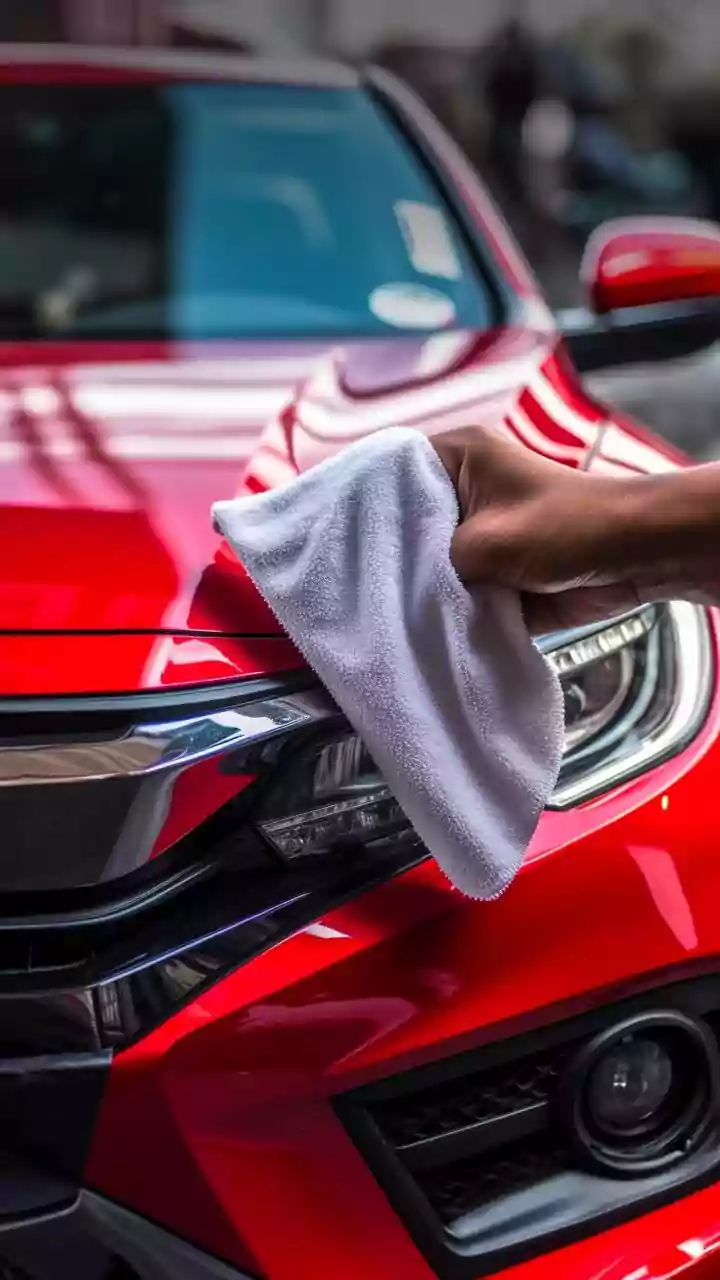
In the gray, murky light of a monsoon storm, being seen is just as important as seeing. Walk around your vehicle and check every single light. This includes your headlights (both low and high beams), tail lights, brake lights, and all four turn signals. Many states have laws requiring headlights to be on whenever wipers are in use, and it's a crucial safety practice everywhere. Hazy or yellowed headlight lenses can dramatically reduce the amount of light that gets through, making it harder for you to see the road and for others to see you. You can restore them with a simple cleaning kit or have it done professionally. A burned-out bulb is a cheap fix that could prevent a serious accident.
5. Battery & Electrical System: Powering the Essentials
High humidity and dramatic temperature swings can be tough on a car battery. Furthermore, during a storm, you’re putting a heavy load on your electrical system by running your wipers, headlights, and air conditioning (for defogging) all at once. If your battery is already weak, this could be the final straw, leaving you stranded in the worst possible place and time. Check the battery terminals for corrosion—a white or bluish fuzzy buildup—and clean it off with a wire brush if necessary. Most auto parts stores can perform a free battery health check. If your battery is more than three or four years old, it's wise to have it tested before you're caught in a downpour with a car that won't start.
6. Seals & Leaks: Keep the Weather Outside
A surprise indoor water feature is the last thing you need during a torrential rainstorm. Check the rubber seals around your doors, windows, and sunroof. Look for any that are cracked, brittle, or pulling away from the frame. These are the primary barriers keeping water out of your car's cabin and trunk. A small leak can lead to musty odors, mold growth, and potentially damage sensitive electronic components hidden within your car's interior. A quick visual inspection now can save you from a soggy mess and expensive repairs later. If you find a leak, it’s best to have it professionally repaired to ensure a watertight seal.