

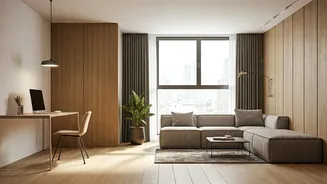
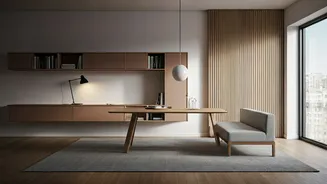
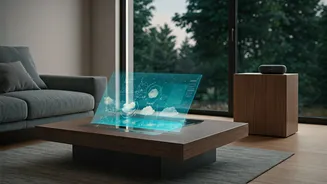
So, What Is 'Multi-Mood' Design?
At its core, multi-mood design is about creating environments that can transform to suit different activities, times of day, or emotional states. Think of it as 'dark mode' for your house. Instead of a room having one fixed purpose—this is the dining
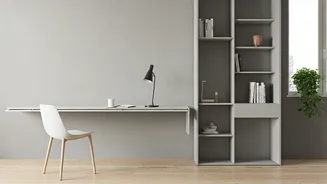
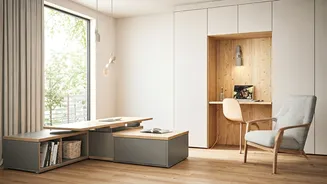
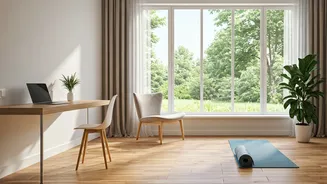
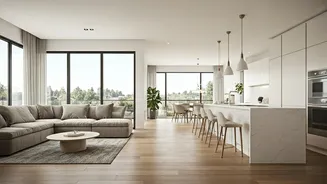
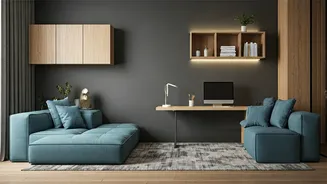
room, that is the office—spaces are built to be fluid. It’s an approach that rejects static layouts in favor of dynamic, responsive interiors. This isn't just about having an open-plan kitchen. It’s about using technology, clever furniture, and thoughtful architecture to allow a single space to serve multiple functions seamlessly. In the morning, your living area might be bright and energizing for a workout. By afternoon, with a few adjustments, it’s a focused, quiet workspace. In the evening, it transforms again into a cozy, dimly lit den for relaxation.
The End of the Single-Purpose Room
For decades, the ideal home was a collection of specialized boxes: a room for eating, a room for watching TV, a room for sleeping. But modern life, accelerated by the pandemic-driven rise of remote work, has shattered that model. Our homes must now be more than just homes; they are our offices, schools, and social hubs. This intense pressure on domestic space has made the old way of thinking feel obsolete and inefficient. Multi-mood design is the direct response to this shift. It acknowledges that a 700-square-foot apartment can’t afford the luxury of a barely-used formal dining room. Instead, every square foot must earn its keep. This philosophy is championed by developers of high-end urban apartments and condos, where space is at a premium and the target resident expects their environment to be as smart and adaptable as their phone.
From Movable Walls to Circadian Lighting
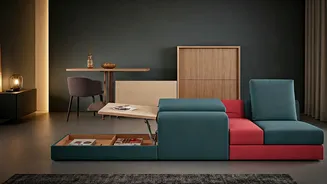
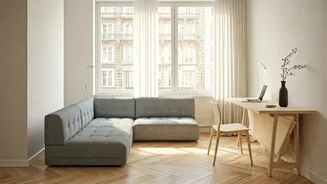
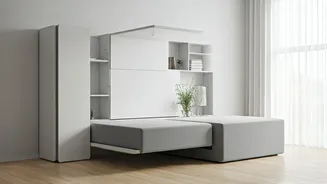
How does this work in practice? The tools of multi-mood design range from simple to highly technological. On the low-tech end, you have modular furniture, like a coffee table that rises to become a dining table, or shelving units that double as room dividers. Then there are architectural elements like movable walls or sliding partitions that can instantly reconfigure a floor plan. But the real game-changer is the integration of smart technology. Imagine lighting systems that automatically adjust their color temperature and brightness throughout the day to support your natural circadian rhythm—cool, blue-toned light in the morning for alertness, and warm, amber light in the evening to promote rest. Integrated speakers might offer energizing playlists for a morning routine and switch to calming ambient sounds for focused work. Scent diffusers, automated blinds, and even digital art that changes with the home’s 'mood' are all part of this growing ecosystem.
The Smart City Connection
This philosophy isn’t confined to the four walls of an apartment. In the context of smart cities, multi-mood principles are being applied to public spaces and entire buildings. A public plaza might use responsive lighting, modular seating, and retractable canopies to transform from a bustling daytime market into a tranquil evening gathering spot or an outdoor performance venue. Office buildings are using it to create workspaces that can shift from collaborative open-plan areas to quiet, partitioned zones for deep work on demand. The 'smart' component comes from the use of data and the Internet of Things (IoT). Sensors can track how spaces are being used, feeding information back to building management systems to optimize energy, flow, and function. In essence, the city itself learns to adapt to the needs of its citizens in real time, making urban living more efficient, pleasant, and personalized.