
A Ghost of Potlucks Past
For decades, fruit custard was a non-negotiable pillar of the American potluck, picnic, and church basement social. You know the one: a creamy, sweet pudding base, often from a box, studded with a rainbow of canned fruit cocktail, sliced bananas, and maybe
some miniature marshmallows for textural intrigue. It sat in a glass trifle bowl, its top layer often garnished with a few lonely maraschino cherries bleeding their signature red dye into the pale yellow cream. This dessert was a product of its time—a mid-century celebration of convenience and abundance. It was easy, affordable, and could be assembled in minutes with ingredients pulled from the pantry. But as culinary tastes evolved toward fresh, local, and artisanal, fruit custard and its cousins, like ambrosia salad, fell from grace. They became symbols of a dated, unsophisticated palate, the butt of jokes about Jell-O molds and questionable casseroles. For a generation, it was the dish you politely pushed around your plate.
The Comfort Food Pendulum Swings Back
So why the quiet resurgence now? The answer lies in the cultural pendulum’s swing toward comfort. In a world of economic uncertainty, social media perfectionism, and elaborate, multi-component restaurant desserts, there is a profound craving for the simple, the known, and the unpretentious. Fruit custard is the culinary equivalent of a security blanket. Food historians and trend watchers note that in times of collective stress, we often retreat to the flavors of childhood. These dishes offer not just sustenance but a powerful dose of nostalgia. Making or eating a fruit custard is a low-stakes activity with a high emotional payoff. It’s a taste of a time that felt, in retrospect, simpler and sweeter. It doesn’t demand a sophisticated palate or a deep knowledge of culinary technique; its only requirement is that you enjoy it.
Not Your Grandmother’s Recipe
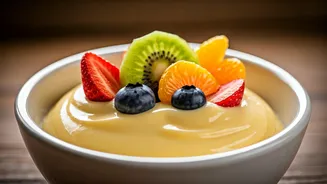
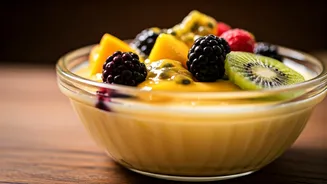
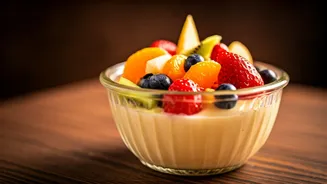
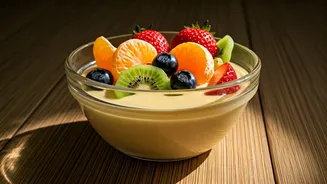
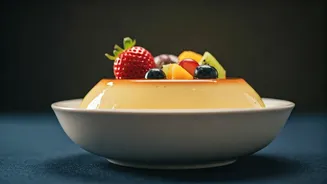
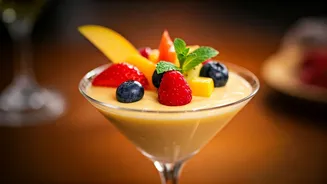
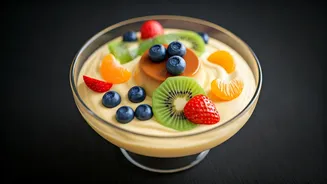
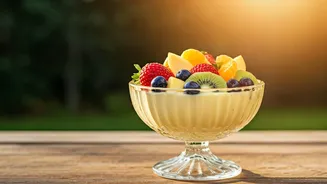
Crucially, the fruit custard sliding onto today’s party menus is not a carbon copy of its predecessor. The spirit is the same, but the execution has received a significant upgrade. The comeback is being driven by a desire to elevate the concept, not just replicate the past. The instant pudding mix is being replaced by homemade crème anglaise or a silky pastry cream, infused with real vanilla bean. The canned fruit cocktail is being swapped for a mix of fresh, seasonal fruits—think juicy berries, ripe peaches, and tart kiwi instead of mushy pears and mystery grapes. The maraschino cherries are out, replaced by a garnish of toasted almonds, a sprinkle of flaky sea salt, or a sprig of fresh mint. The presentation, too, is more thoughtful, served in individual glasses or layered artfully in a modern bowl. It’s the same comforting idea, just filtered through a contemporary lens that values quality ingredients and intentionality.
A Dish of Unpretentious Joy
Ultimately, the appeal of fruit custard’s return is its lack of pretension. It is an inherently cheerful, communal dish. It’s not trying to be high-art. It’s not deconstructed, infused with smoke, or served with a foam. It’s just sweet, creamy, and fruity—a combination that is universally pleasing. In an age where hosting can feel like a competitive sport, bringing a bowl of fruit custard is a democratizing act. It signals a focus on togetherness over performance. It’s a dessert that invites people to take a scoop, to relax, and to connect over a shared, uncomplicated pleasure. It doesn’t demand analysis; it simply offers delight. This humble dessert reminds us that sometimes, the most satisfying things in life are the ones that don't take themselves too seriously.