


The Undisputed Reign of the King
To understand the hype, you first have to understand the Alphonso’s long and lonely journey to America. For years, Indian mangos were banned from the U.S. due to concerns about fruit flies. Then, in 2007, a landmark agreement allowed imports to resume,
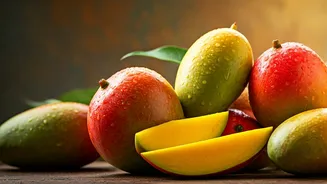
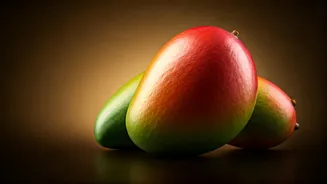
provided the fruit underwent irradiation treatment. The Alphonso, with its relatively sturdy skin, good shelf life, and international reputation, became the star of this new arrangement. It was, for many, the only “real” Indian mango you could find. And what a mango it is. A perfect Alphonso is a transcendent experience: buttery, non-fibrous flesh with a complex flavor profile that blends notes of honey, citrus, and a hint of saffron. It doesn't have the stringiness common in the Tommy Atkins mangos that dominate U.S. supermarket shelves. For the South Asian diaspora, a box of Alphonsos in the spring was a non-negotiable, albeit pricey, taste of home. For foodies, it was a seasonal treasure worth hunting for in specialty stores.
The Challengers Arrive
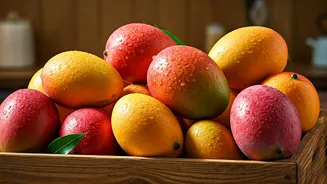
The Alphonso’s solitary reign wasn’t because it’s the only great mango in India—far from it. India is home to over 1,500 mango varieties, each with its own regional loyalties and distinct personality. The Alphonso’s dominance in the U.S. was a matter of logistics and diplomacy. But now, that’s changing. Thanks to an expanded agreement, the U.S. Department of Agriculture has opened the door for other celebrated Indian mango varieties to be imported after undergoing the same irradiation process. This has unleashed a vibrant, flavorful new cast of characters onto the American market, many of which were previously just nostalgic memories for immigrants or myths for the uninitiated. Suddenly, the mango aisle in your local Indian grocery store has options, debate, and delicious drama.
A Tale of Three Tastes
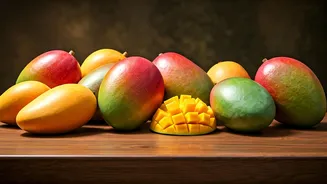
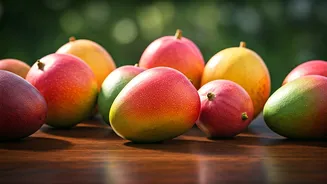
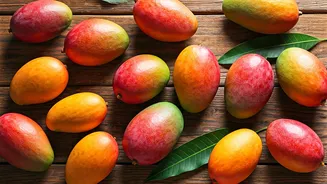
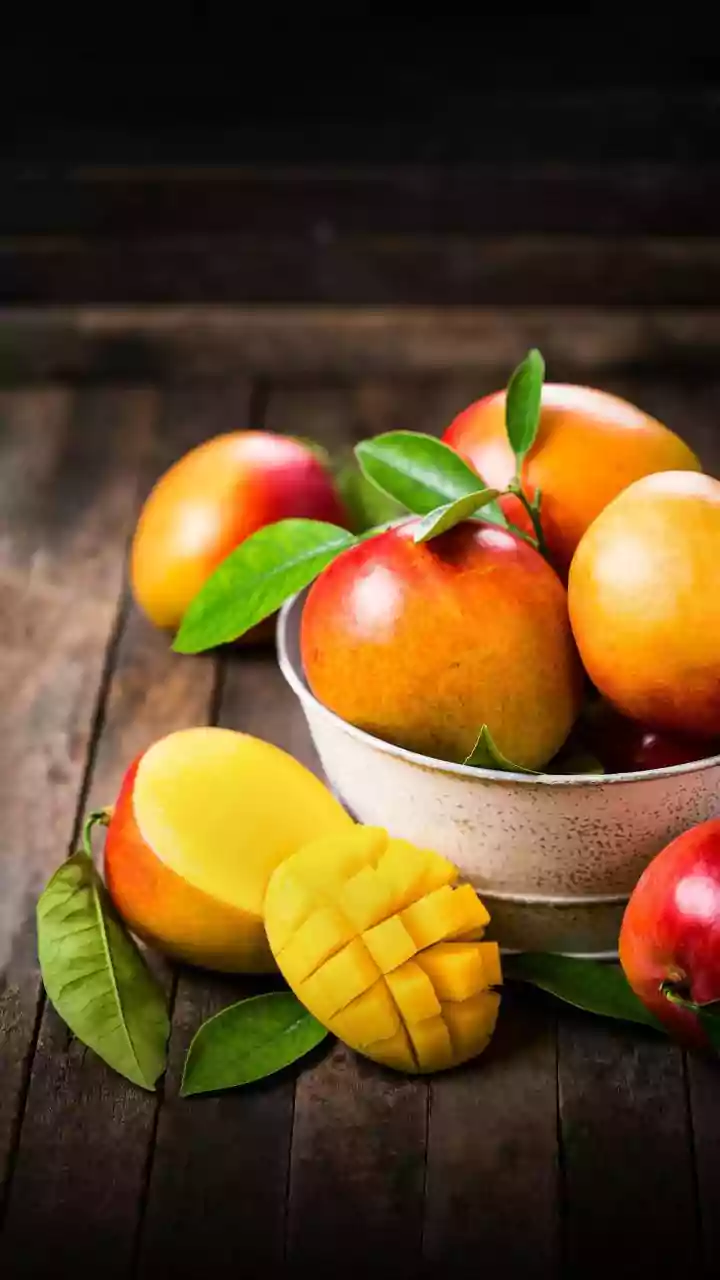
So who are these new contenders? While several are making their way over, a few key players stand out. First is the Kesar, often called the “Queen of Mangos.” Hailing from Gujarat, it’s known for its intense aroma and shockingly bright saffron-colored pulp. It’s generally sweeter than the Alphonso, with a pure, honeyed flavor that’s less complex but powerfully delicious. If Alphonso is a fine wine, Kesar is a top-shelf dessert liqueur. Then there’s the Langra, a famous variety from North India. It’s a bit of a curveball. It often retains a greenish tint even when ripe and has a unique, slightly tangy or tart flavor profile that cuts through its sweetness. It’s fibrous near the seed but has a powerful, almost pine-like fragrance. It’s a mango for people who want a bit of an edge. Finally, the Chaunsa, another North Indian favorite, is often one of the last mangos of the season. It’s known for being incredibly sweet, almost syrupy, with a lovely soft pulp and a wonderfully fragrant aroma. It's pure, unadulterated mango bliss.
More Than Just Fruit
This influx is more than just a win for adventurous eaters; it’s a cultural event. The friendly (and sometimes not-so-friendly) regional rivalries from India—Is a Kesar better than an Alphonso? Is Langra the most underrated?—are now playing out in American kitchens. It provides a deeper connection to home for millions in the diaspora who grew up with a specific regional favorite that wasn’t the Alphonso. For the American consumer, it shatters the myth that there is one “best” mango. It introduces the idea of terroir and seasonality to a fruit that has largely been a monolithic commodity here. The conversation is no longer just about getting your hands on an Alphonso; it’s about discovering which mango you like best. The obsession hasn’t ended, but it has certainly become a lot more interesting.