





The Land Where Rain is an Art Form
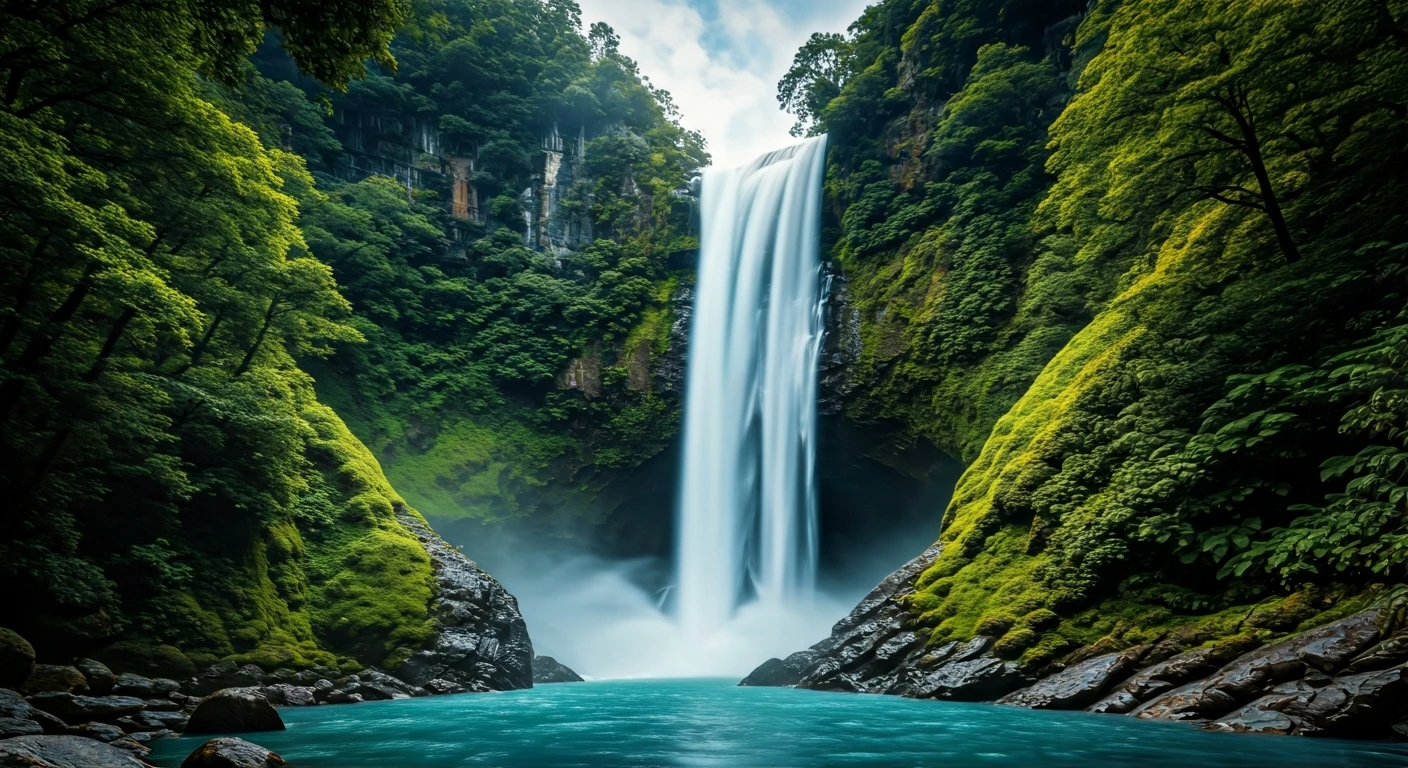
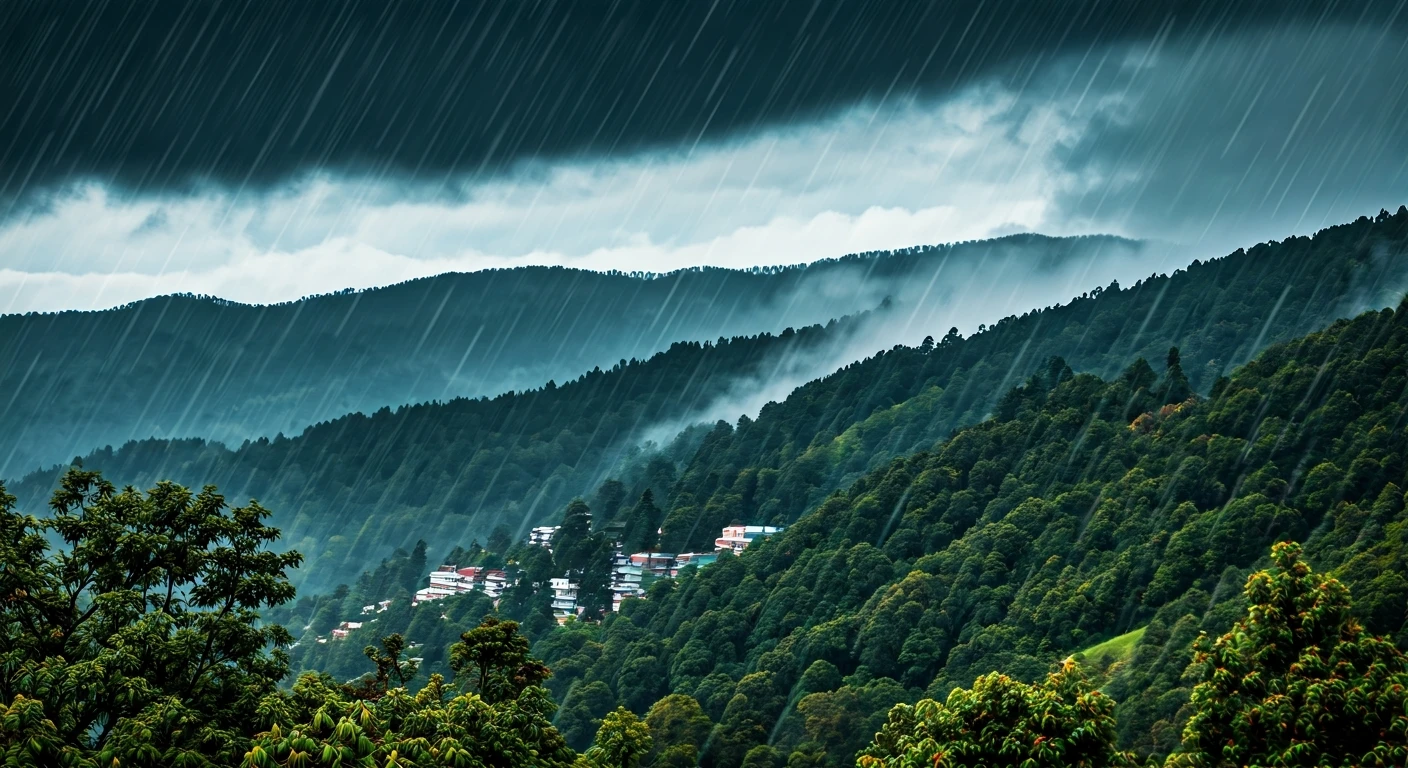
For most Americans, India conjures images of bustling cities, ancient forts, or the sun-baked plains of the Ganges. But venture to its northeastern frontier and you’ll find a world apart. Meghalaya is a landscape sculpted by water. It’s home to Cherrapunji
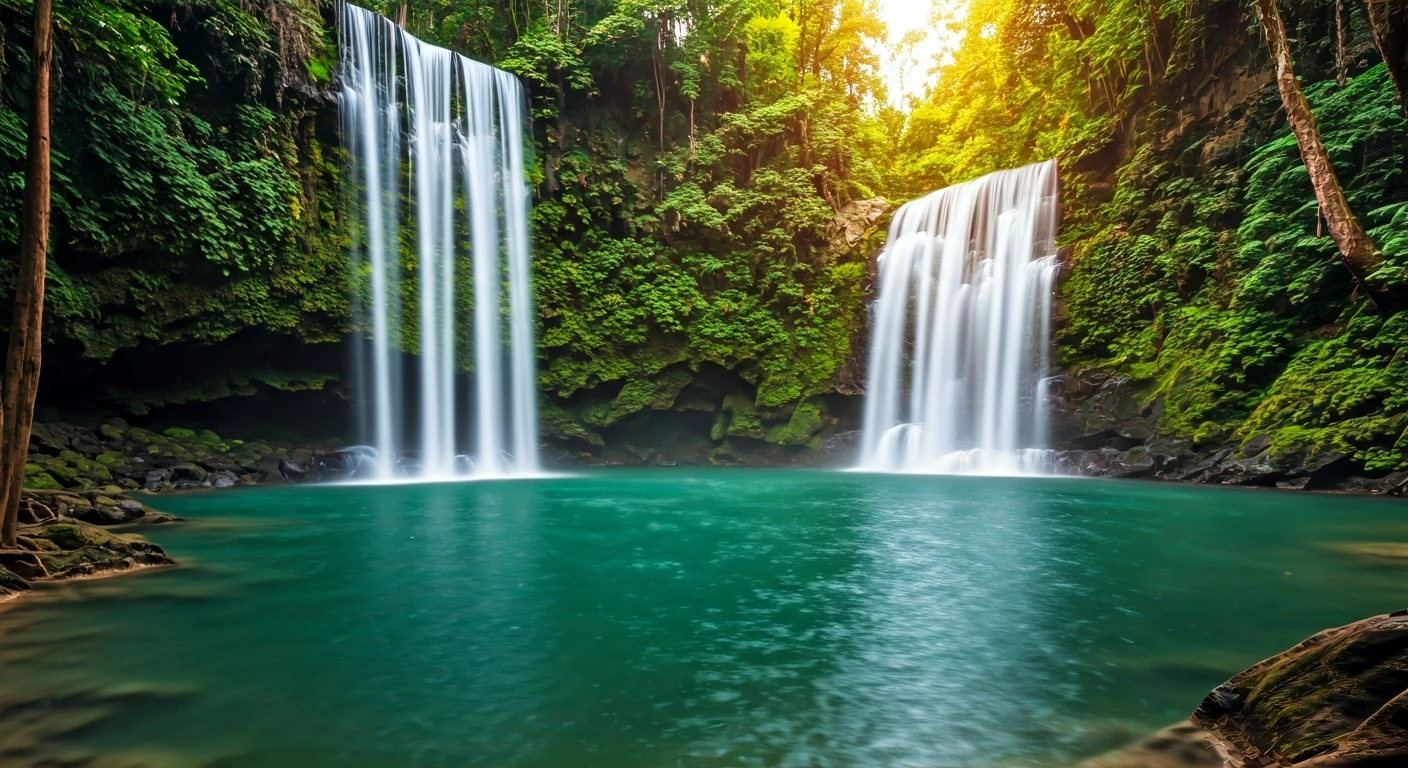
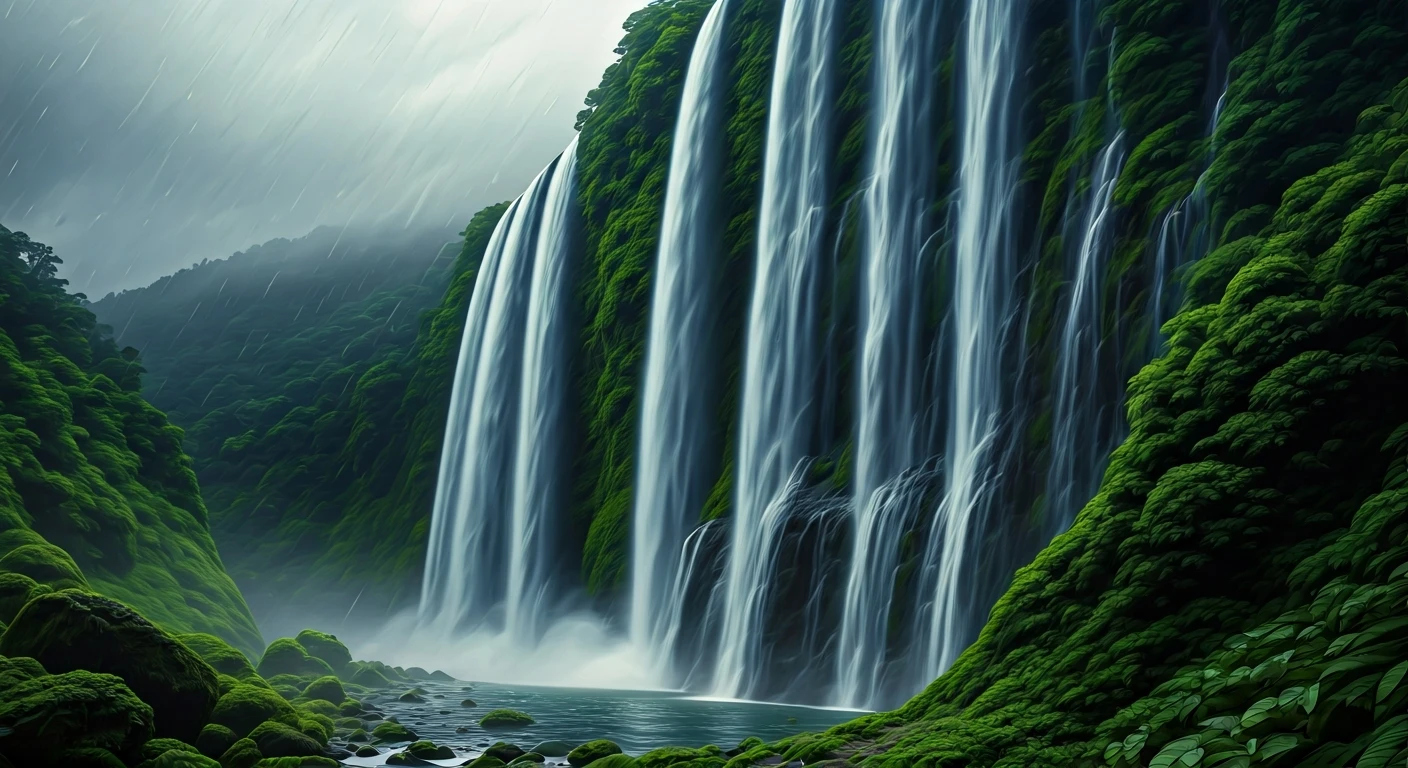
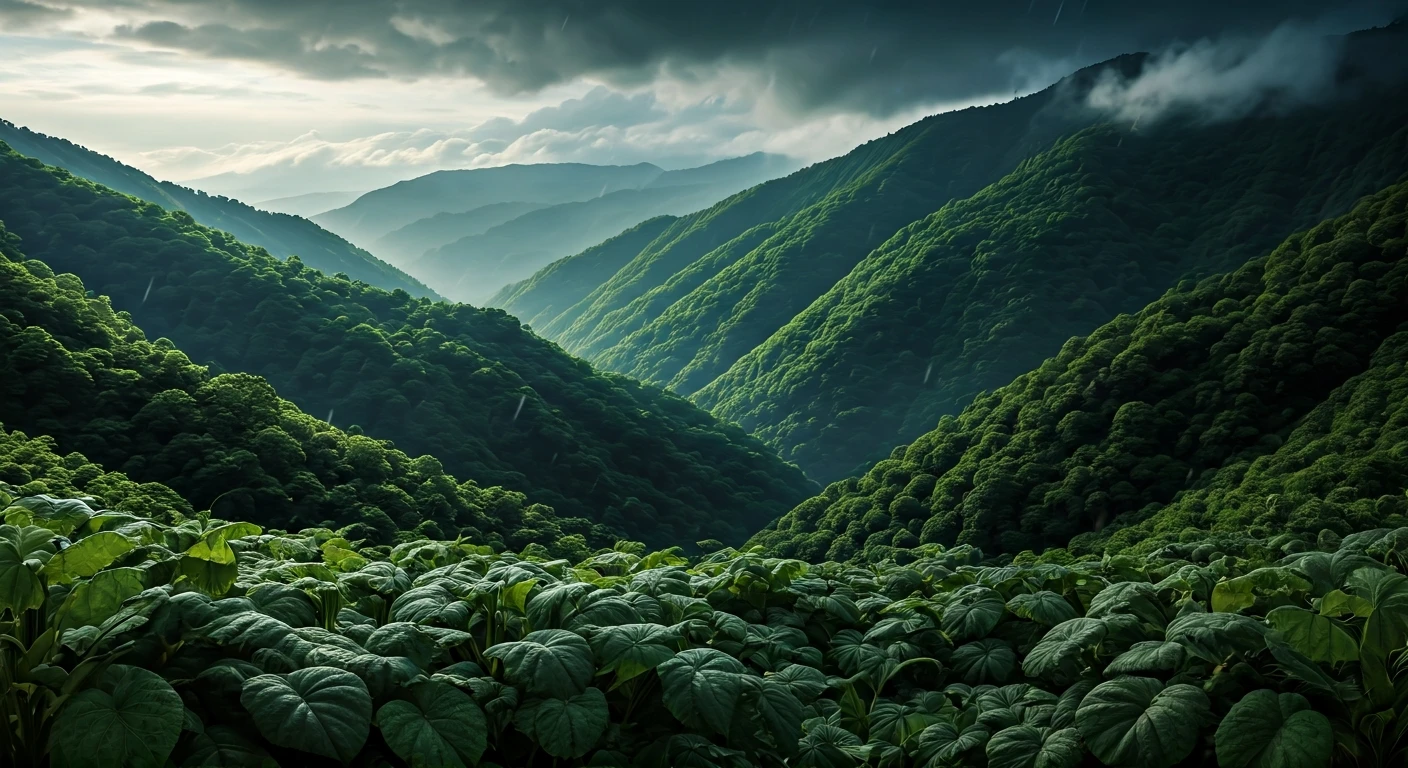
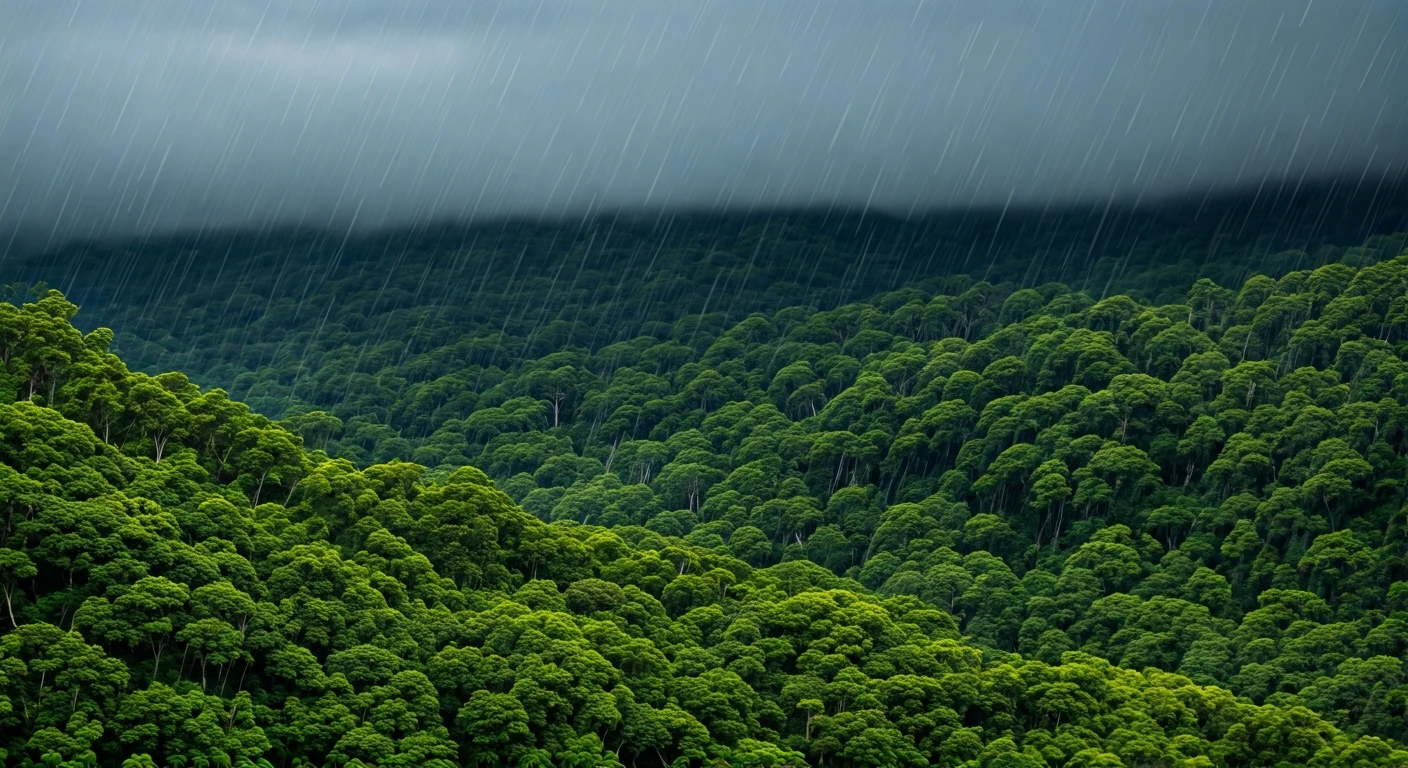
and Mawsynram, two of the wettest places on Earth, where the monsoon isn't a season but a way of life. The air is thick with mist, a constant, gentle drizzle nourishes impossibly green valleys, and locals have learned to guide the roots of rubber trees across rivers to form 'living bridges' that grow stronger with time. This isn't just a backdrop; it’s an active participant in life. The constant rain shapes the culture, the folklore, and the very soul of the Khasi, Jaintia, and Garo peoples who call these hills home. It’s a setting so atmospheric it practically begs to be filmed, a place where every frame comes pre-loaded with mood and mystery.
Finding a Voice Beyond Bollywood
Indian cinema is often seen through the singular, glittering lens of Bollywood. The high-energy dance numbers and epic romances produced in Mumbai have a global reach, but they represent only one facet of a massive, multilingual industry. For decades, the unique stories of regions like Northeast India have been largely absent from the silver screen. The cultural and linguistic distance from the Hindi-speaking heartland meant that the tales, traditions, and contemporary struggles of places like Meghalaya went untold, or worse, were stereotyped by outsiders. But a cultural shift is underway. Across India, regional cinema is booming, and filmmakers are turning the camera back on their own communities. They are rejecting the one-size-fits-all formula, choosing instead to tell authentic stories in their own languages—stories that resonate precisely because they are so deeply rooted in a specific place.
The Rise of a Hyper-Local Cinema
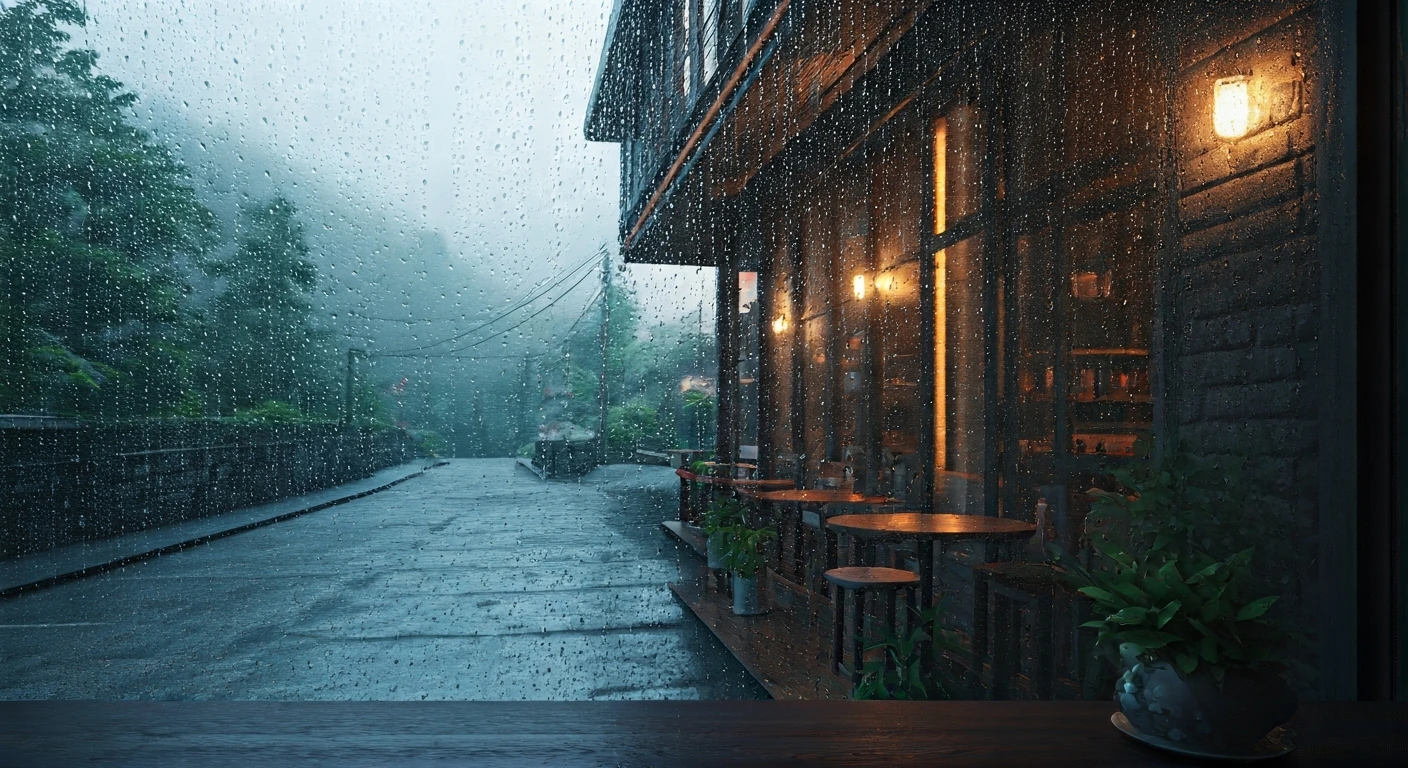
This is the world that gave birth to 'Rainy Reels.' More than just a catchy name, it represents a burgeoning film movement and festivals like the Meghalaya International Film Festival. Here, the rain isn’t a logistical nightmare for a film crew; it’s a core aesthetic. Local filmmakers are harnessing the region’s defining characteristic to create a new cinematic language. Their films are intimate, often melancholic, and deeply intertwined with the natural world. Instead of grand action sequences, you'll find quiet dramas about the tension between tradition and modernity, documentaries exploring the region's unique matrilineal society, and ghost stories pulled from ancient folklore whispered around a fire. These are not movies made for the multiplex; they are films made for, and by, the community. They are screened in small halls and community centers, becoming a vital tool for cultural self-expression and preservation in a rapidly changing world.
From the Hills to the World Stage
The path for Meghalaya’s filmmakers is far from easy. They grapple with shoestring budgets, a lack of professional infrastructure, and the immense challenge of finding distribution outside their home state. Yet, they persevere, fueled by a passion to see their world reflected accurately on screen. And the world is beginning to take notice. Films from the region are now appearing in prestigious national and international festivals, winning awards and earning critical acclaim. Directors like Pradip Kurbah have become celebrated figures, proving that powerful storytelling isn't confined to major production hubs. Each festival selection and every award won is more than a personal victory; it’s a validation for an entire culture. It proves that a story told with honesty and heart, even one from a misty corner of India most of the world has never heard of, can resonate universally.