

First, What Exactly Is Poha?
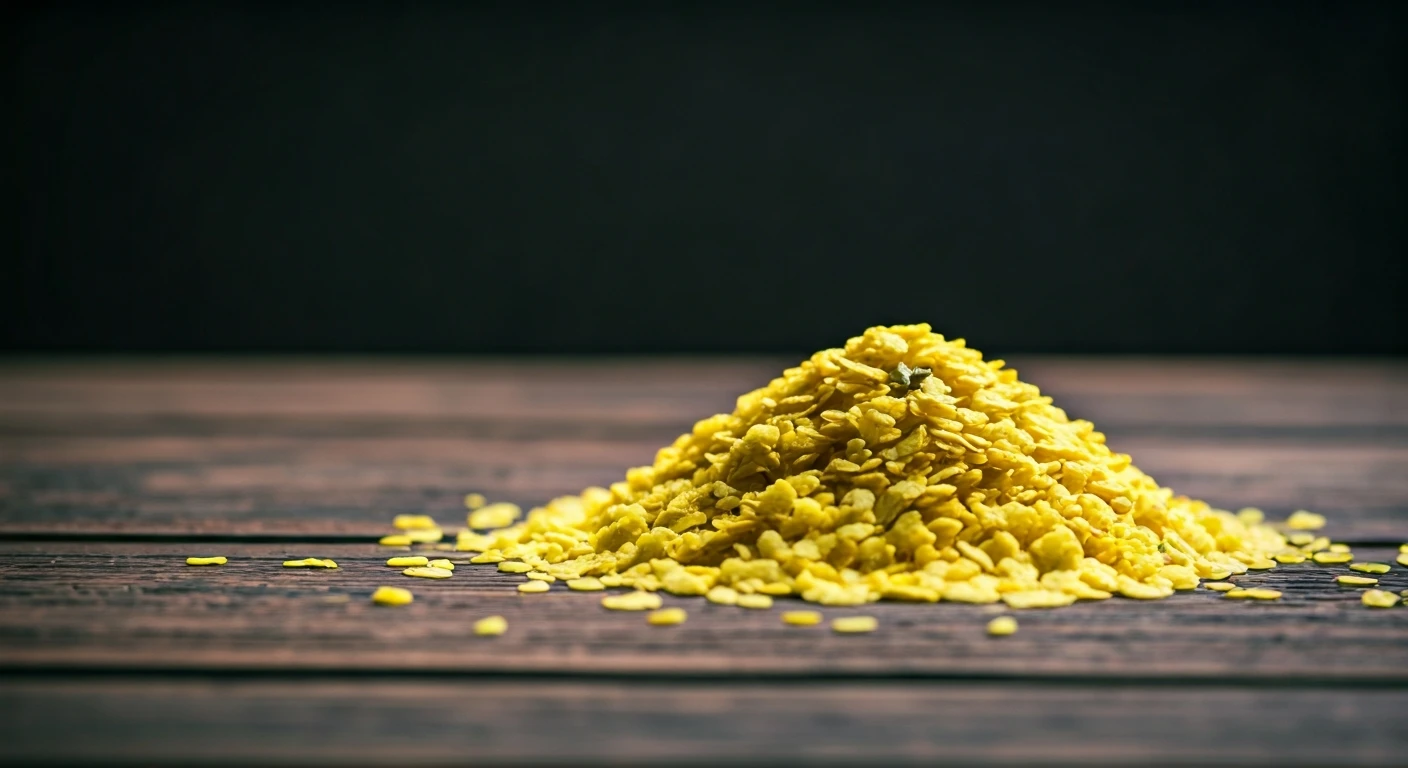
Before we get to the celebrations, let's start with the basics. Poha isn't a finished dish itself, but an ingredient: flattened rice. Imagine rice grains being parboiled, then rolled and flattened into light, paper-thin flakes. This process makes them
incredibly fast-cooking. Unlike regular rice that needs to be boiled for 15-20 minutes, poha just needs a quick rinse or soak in water for a few minutes to rehydrate and become soft, fluffy, and ready to use. This magical quality is what makes it a staple in millions of Indian households. It’s the ultimate convenience food, but without any of the processed baggage. Think of it as the Indian equivalent of quick-cooking oats, but savory, lighter, and infinitely more adaptable.
The Breakfast Hero of Millions
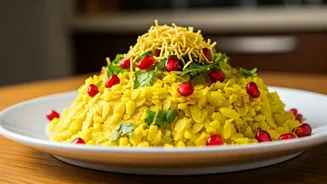
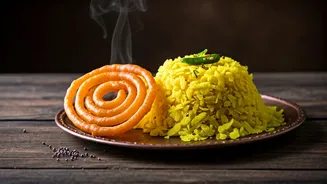
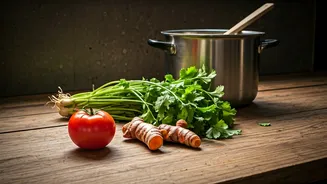
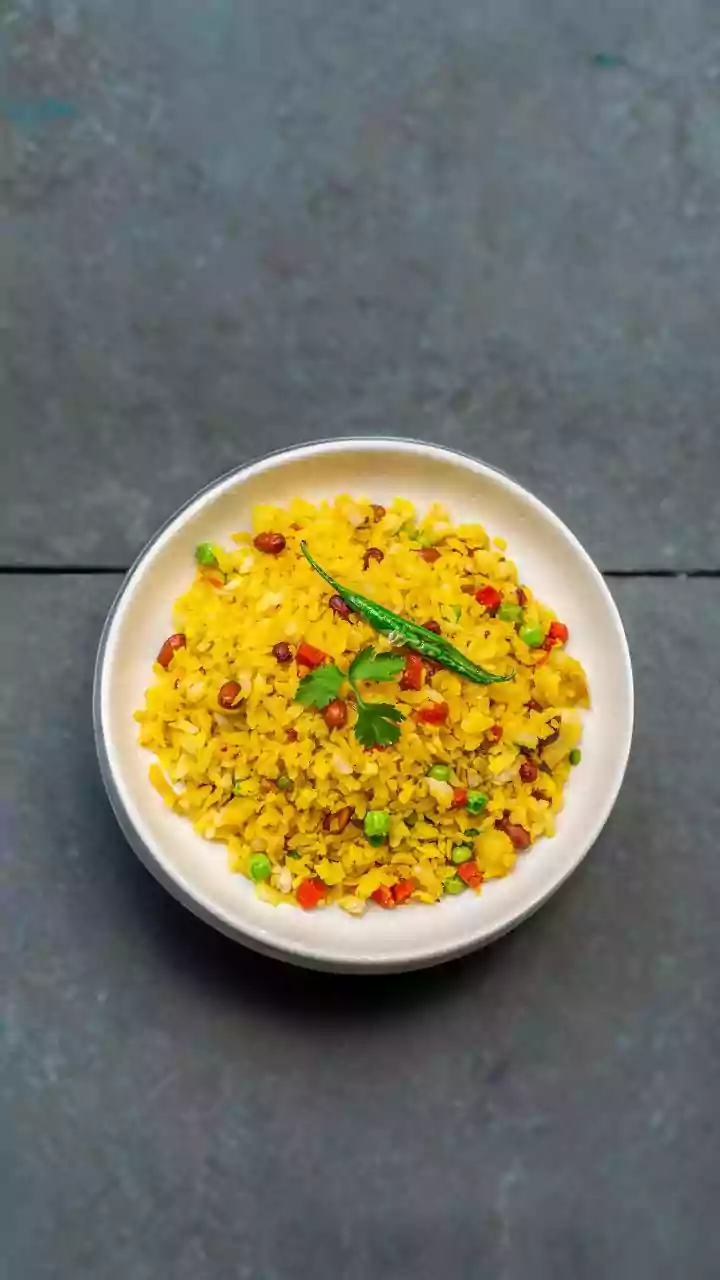
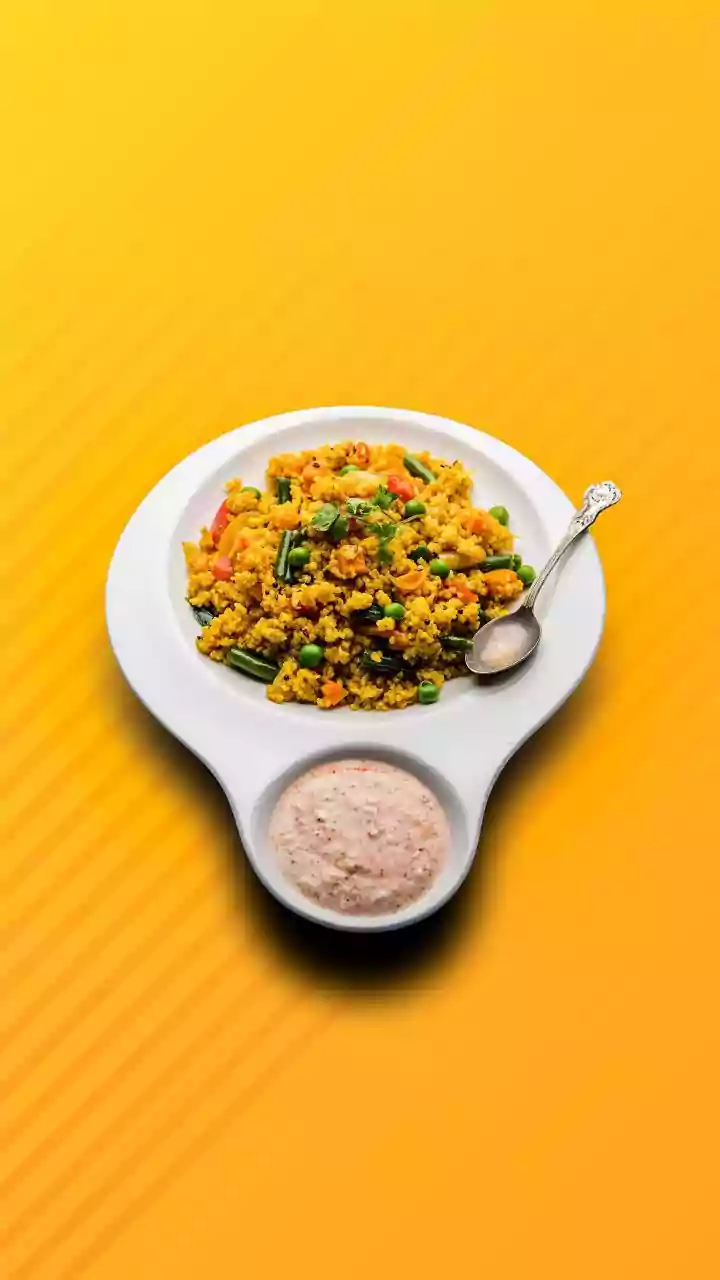
When someone in India says they’re having “poha” for breakfast, they’re talking about a warm, savory, stir-fried dish. The most classic version, Kanda Poha (onion poha), is a masterclass in flavor balancing. The rehydrated rice flakes are gently tossed in a pan with sputtering mustard seeds, fragrant curry leaves, turmeric for its golden hue, and finely chopped onions. Often, potatoes, green chilies, and peanuts are added for texture and heartiness. The final touch is a generous squeeze of fresh lime juice and a garnish of cilantro, cutting through the richness and making every bite pop. Different regions have their own spin. In Indore, a city practically synonymous with the dish, Indori Poha is famously topped with crispy sev (fried chickpea noodles) and pomegranate seeds, creating a delightful sweet, savory, and crunchy combination that’s utterly addictive.
So, What's Chivda Then?
This is where the headline comes into focus. If poha is the soft, fluffy base for a warm breakfast, chivda is its crispy, crunchy alter ego. Chivda is a broad term for a variety of snack mixes, and one of its most common ingredients is a thinner variety of poha flakes. Instead of being rehydrated, these flakes are either deep-fried or roasted until they puff up and become incredibly crisp. They are then mixed with a host of other delicious things: roasted peanuts, cashews, fried curry leaves, raisins for a touch of sweetness, and a blend of spices like turmeric, chili powder, and salt. So, while you eat breakfast poha with a spoon, you eat chivda by the handful. They are two completely different culinary experiences born from the exact same ingredient. It’s like the difference between a soft-boiled potato and a crispy potato chip—same source, wonderfully different results.
A Holiday for a Humble Dish
A food this beloved and versatile deserves its own day of recognition. Celebrated annually on June 7th, World Poha Day (Vishwa Poha Diwas) is a heartfelt tribute to this humble ingredient. The tradition is said to have originated in Indore, the unofficial poha capital of India, as a way to celebrate the region's signature dish and the farmers who cultivate the rice. It’s a day when poha enthusiasts share their favorite recipes, restaurants offer special preparations, and social media floods with pictures of steaming plates of yellow-tinted goodness. It’s more than just a marketing gimmick; it’s a genuine celebration of a food that is nutritious, affordable, quick to prepare, and deeply woven into the cultural fabric of daily life across India.
How to Join the Celebration
Feeling inspired? You don’t have to wait for June 7th to try it. The key ingredient, flattened rice, is readily available at any Indian grocery store or online. Look for either “thick” or “medium” poha for making the breakfast dish. The process is surprisingly simple: rinse the poha in a colander until it’s soft (don’t soak it for too long, or it will get mushy!), and then add it to a pan of sautéed onions, spices, and whatever else you fancy. It cooks in minutes. For your first attempt, look up a simple recipe for “Kanda Poha.” It’s a forgiving dish and a perfect gateway into the world of Indian breakfast cuisine. Before you know it, you might find yourself debating the merits of adding potatoes versus peanuts.