



More Than Just a Container
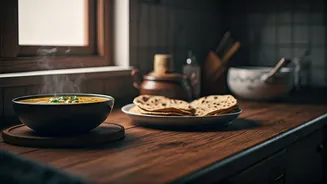
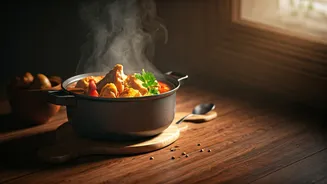
There's a deeply ingrained psychology behind our love for bowls. A bowl demands to be cupped in your hands, its warmth radiating through the ceramic. It’s a posture of comfort and intimacy, a stark contrast to the formal distance of a knife and fork.
Think of the soul-soothing power of a bowl of chicken noodle soup when you’re sick, or the simple joy of a scoop of ice cream. This isn't just about food; it's about feeling nurtured and secure. In a world that often feels chaotic and disconnected, the self-contained, all-in-one nature of a bowl meal offers a small, tangible sense of order and completeness. It’s a meal that feels like a hug, and that emotional resonance is a powerful driver behind its return to the center of the American dinner table.
The 'Everything' Meal Formula
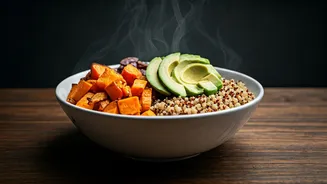
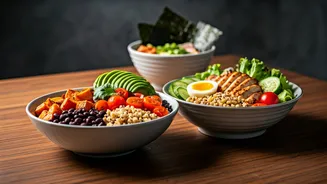
So what, exactly, are these “familiar bowls” taking over? They aren't one specific dish but rather a flexible, customizable template. The modern bowl meal—whether it’s called a grain bowl, Buddha bowl, or power bowl—typically follows a simple but brilliant formula. It starts with a base, like quinoa, brown rice, farro, or even leafy greens. Next comes a protein, which can be anything from grilled chicken or salmon to roasted chickpeas or tofu. From there, it’s all about layering textures and flavors: roasted sweet potatoes, fresh avocado, crisp cucumbers, pickled onions, and steamed broccoli are all fair game. The final touches are what elevate it from a pile of ingredients to a cohesive dish: a flavorful dressing or sauce (think tahini-lemon, spicy peanut, or a simple vinaigrette) and a crunchy topping like toasted nuts, seeds, or crispy wonton strips. This mix-and-match approach liberates the home cook from the tyranny of rigid recipes.
Designed for the Digital Age
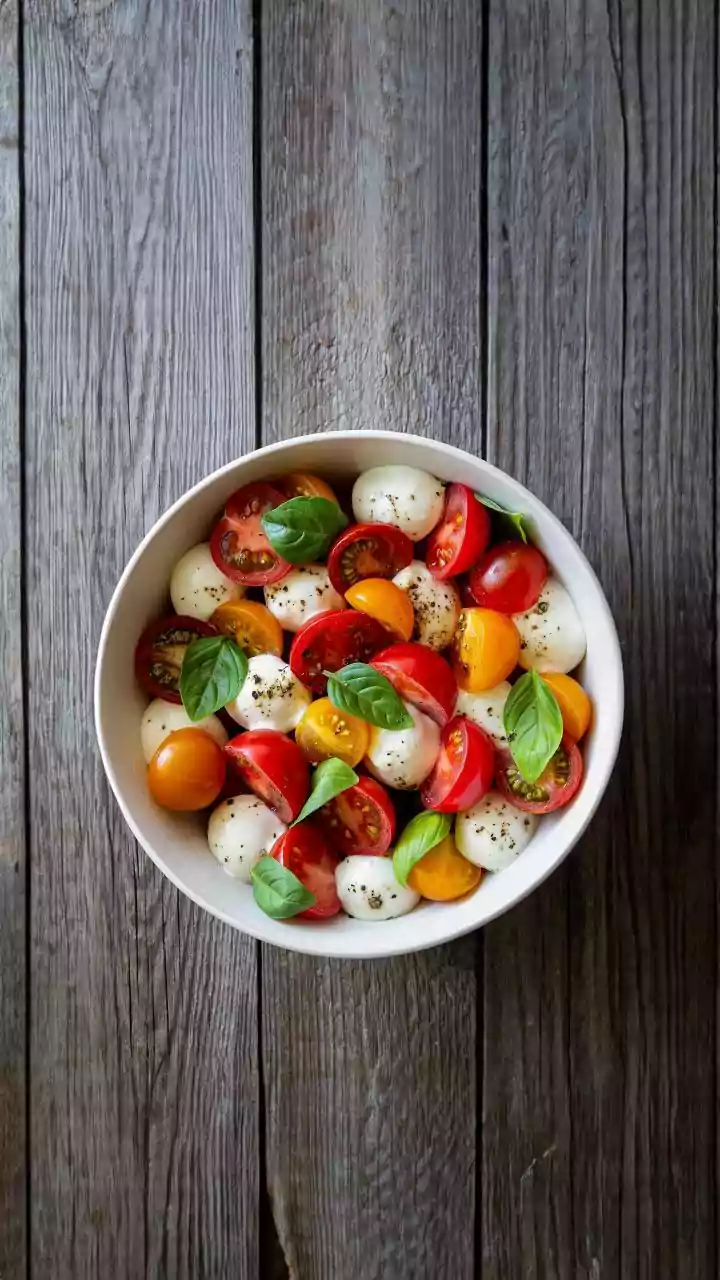
Let’s be honest: we eat with our eyes first. The rise of the bowl meal coincides perfectly with the age of social media. A well-constructed bowl is inherently photogenic. Arranging colorful ingredients—the vibrant orange of sweet potatoes against the deep green of kale, dotted with the bright red of a radish—creates a visually stunning mosaic. It's no accident that hashtags like #buddhabowl and #pokebowl have millions of posts on Instagram. This visual appeal has transformed dinner from a private affair into a shareable work of art. The trend feeds itself; seeing a beautiful bowl online inspires you to make your own, photograph it, and share it, perpetuating the cycle. It has turned home cooking into a low-stakes creative outlet that’s as much about aesthetics as it is about nourishment.
Weeknight Cooking, Solved
Beyond the comfort and the good looks, the bowl’s resurgence is rooted in sheer practicality. For busy individuals and families, the bowl meal is a weeknight game-changer. The 'formula' approach makes it an ideal framework for meal prepping; you can cook a large batch of grains, roast a tray of vegetables, and prepare a protein on Sunday, then assemble different bowl combinations throughout the week. This strategy dramatically cuts down on daily cooking time and decision fatigue. It’s also an incredibly efficient way to use up leftovers—that half an avocado, the last bit of roasted chicken, and the handful of spinach in the fridge can all find a happy home in a bowl. It’s a sustainable, budget-friendly approach to cooking that aligns perfectly with the modern desire for meals that are both healthy and hassle-free.