

The Five-Minute Morning Scout
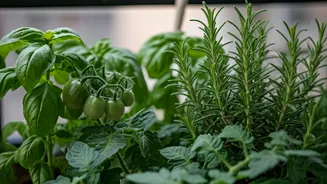
The single most effective tool for preventing garden panic is a new morning habit: a five-minute walk-through with your coffee. This isn’t a chore; it’s a reconnaissance mission. Before the day gets hot and busy, stroll through your beds and containers.
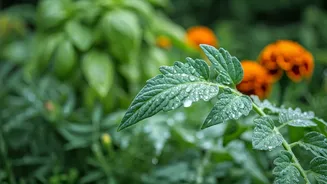
Look under leaves. Check on new growth. Notice if that squash plant that was vibrant yesterday looks a bit wilted today. The goal isn’t to solve every problem on the spot. It’s to gather intelligence. By spotting the first signs of trouble—a few aphids on a rosebud, the tell-tale webbing of spider mites, the first yellowed leaf at the base of a tomato plant—you can intervene when the problem is small. A quick blast of water or the removal of a single leaf is much easier than a full-scale war a week later. This daily observation connects you to the rhythm of your garden and turns you from a reactive manager into a proactive partner.
Outsmart Pests Before They Multiply
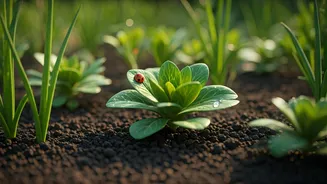
June is a boom time for insects, both good and bad. Panic sets in when you find a beloved plant covered in pests, but prevention starts much earlier. First, attract the good guys. Planting dill, cilantro, and sweet alyssum among your vegetables and flowers will draw in ladybugs, lacewings, and parasitic wasps that prey on common pests like aphids. Second, know your enemy's early signs. For squash bugs, look for clusters of tiny, copper-colored eggs on the undersides of leaves and scrape them off. For cabbage worms, look for small, ragged holes in the leaves of broccoli and kale and spot the small green caterpillars. A targeted spray of insecticidal soap (a gentle, low-impact option) on a small aphid colony is a preventative measure. Dousing the entire garden in harsh chemicals after a full-blown infestation is a panic move. Prevention means disrupting the pest life cycle before it gets started.
Defeat Disease with Air and Water
Warm, humid June nights are a perfect breeding ground for fungal diseases like powdery mildew and black spot. You might wake up one morning to find your squash leaves coated in a white film or your rose leaves developing dark splotches. The panic response is to run for a fungicide. The prevention strategy is all about culture. First, water correctly. Water the soil, not the leaves. Use a soaker hose or a watering wand to deliver water directly to the base of the plants. Wet foliage, especially overnight, is an open invitation to fungus. Water in the morning so any stray splashes have time to evaporate. Second, ensure good air circulation. Don't overcrowd your plants. If your tomato plants are a dense jungle, it’s time to prune some of the lower branches and suckers to allow air to move through. This simple act of thinning can do more to prevent disease than any spray.
Master Mulch to Beat Heat and Drought
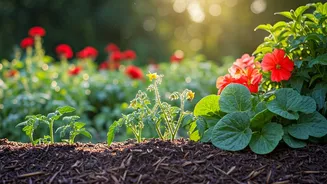
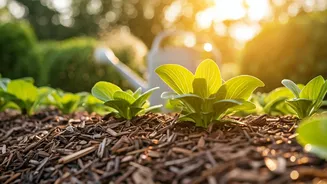
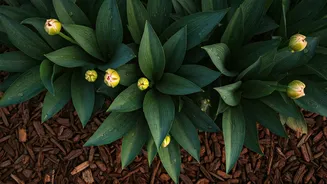
As June temperatures climb, soil moisture becomes a critical issue. Seeing your plants wilt dramatically in the afternoon sun can trigger a water-related panic, leading to overwatering, which can be just as harmful as underwatering. The ultimate preventative measure is mulch. A two-to-three-inch layer of organic mulch (such as shredded leaves, straw, or wood chips) is your garden's best friend. It acts as a protective blanket, shielding the soil from the baking sun, which dramatically reduces water evaporation. This means you water less often, but more effectively. Mulch also keeps the soil temperature more stable, reducing stress on plant roots. As a bonus, it suppresses weeds and enriches the soil as it breaks down. If you do only one thing to prepare your garden for the summer heat, make it applying a thick, even layer of mulch around your plants. Don't let it touch the plant stems directly, but otherwise, be generous.
A Smarter Stance on Weeds
Nothing can make a garden feel more overwhelming than a sudden explosion of weeds. It feels like a battle you can’t win. The preventative mindset shifts the goal from “eradicating all weeds” to “not letting weeds win.” The key is to stop them before they set seed. A single crabgrass plant can produce thousands of seeds, ensuring a bigger problem next year. Instead of waiting for a weekend-long war, pull weeds as you see them during your morning walk-through. It’s far less daunting to pull a dozen small weeds every day than hundreds of established ones on a Saturday. Mulch, again, is your primary ally here, as it smothers many weed seeds before they can even germinate. For the ones that do pop through, a quick tug when they're small and the soil is moist is the most efficient solution.