




Prioritize Freshness Above All
The foundation of coastal eating isn't a specific recipe, but a philosophy: start with the best possible ingredients and do as little to them as you can. Think of a sun-ripened tomato from a California farmers' market or a piece of flounder caught off
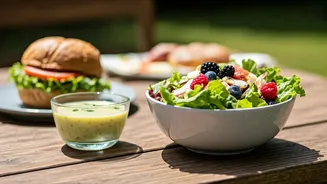
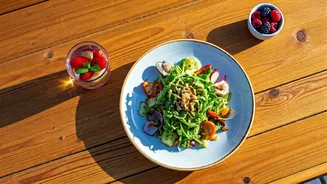
the coast of Maine this morning. When your ingredients are this fresh, they don't need to be masked by heavy sauces or complicated preparations. A drizzle of good olive oil, a sprinkle of sea salt, and a squeeze of lemon are often all you need. This approach naturally leads to lighter meals because the flavor comes from the ingredient itself, not from added fats and starches. Instead of a creamy, heavy dressing, a simple vinaigrette lets the crispness of fresh greens shine. This focus on quality over complexity is the first step in avoiding that dreaded post-meal loginess.
Master the Grill, Not the Fryer
Walk through any coastal town from the Gulf Shores of Alabama to the seaside villages of New England, and you'll likely smell the tantalizing aroma of food cooking over an open flame. Grilling is a cornerstone of coastal cuisine for good reason. It imparts a smoky char and depth of flavor without adding unnecessary oils or heavy breading. A piece of salmon, mahi-mahi, or even a humble shrimp becomes transcendent when kissed by the grill. The high, direct heat sears the outside, locking in moisture and creating a delicate texture. Compare this to a deep-fried fish filet, which soaks up oil and sits in your stomach like a lead weight. Grilling is also perfect for vegetables like zucchini, bell peppers, and asparagus, concentrating their natural sweetness and keeping them crisp-tender. It’s a technique that delivers maximum flavor with minimum heaviness.
Let Citrus and Herbs Do the Heavy Lifting
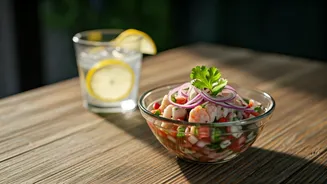
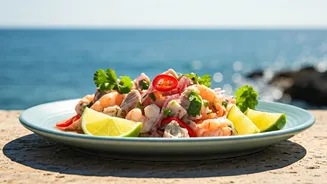
Instead of relying on butter- and cream-based sauces, coastal cooking turns to the vibrant, zesty power of citrus and fresh herbs. A squeeze of lime can brighten a piece of grilled fish, a handful of fresh cilantro can transform a simple salsa, and a chiffonade of basil can elevate a tomato salad. These ingredients add layers of complex flavor with virtually zero calories or fat. Think of a classic ceviche from the Florida Keys, where raw fish is “cooked” in a marinade of lime juice, chili, and onion. It's a perfect example of a dish that is simultaneously light, refreshing, and intensely flavorful. This principle frees you from the idea that flavor must come from richness. A simple herb marinade or a final spritz of lemon juice can be more impactful—and leave you feeling much better—than a heavy hollandaise.
Rethink the Center of Your Plate
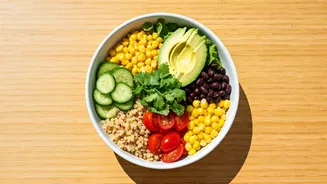
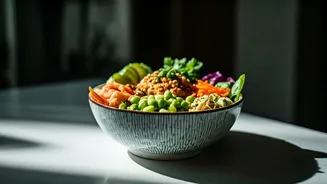
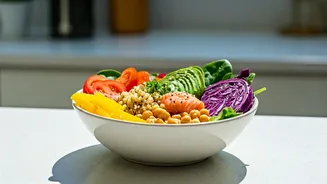
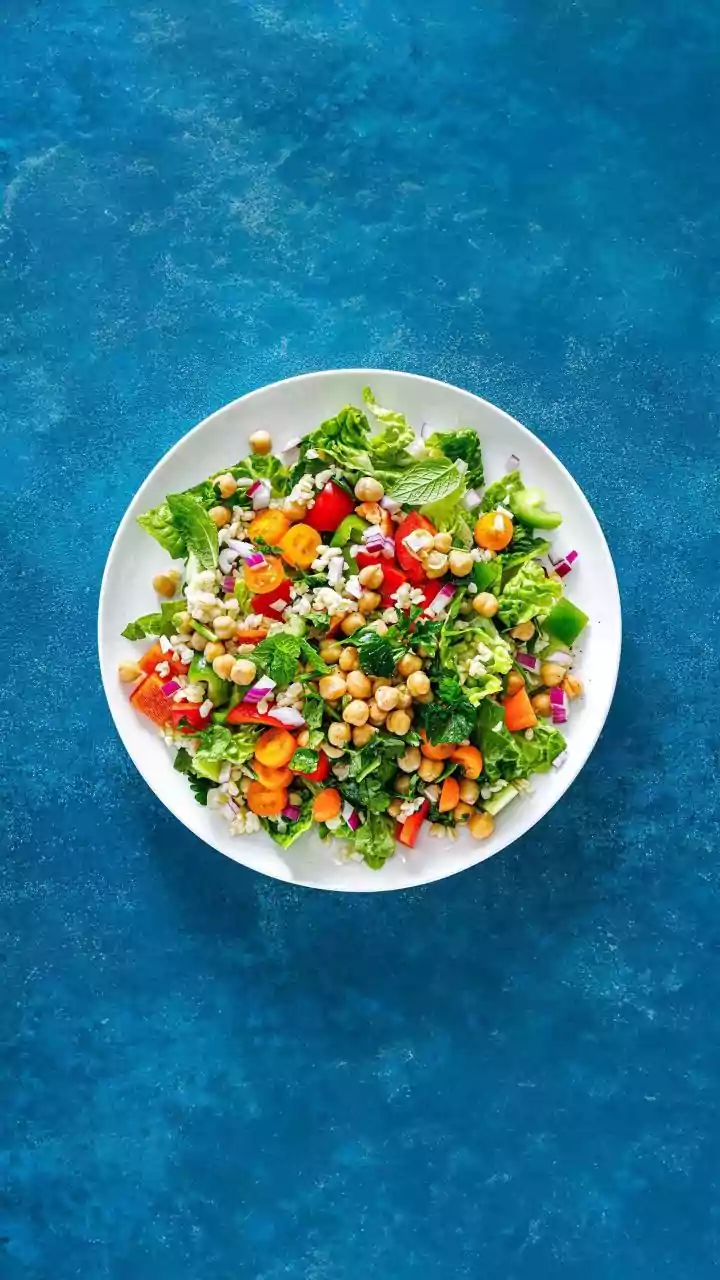
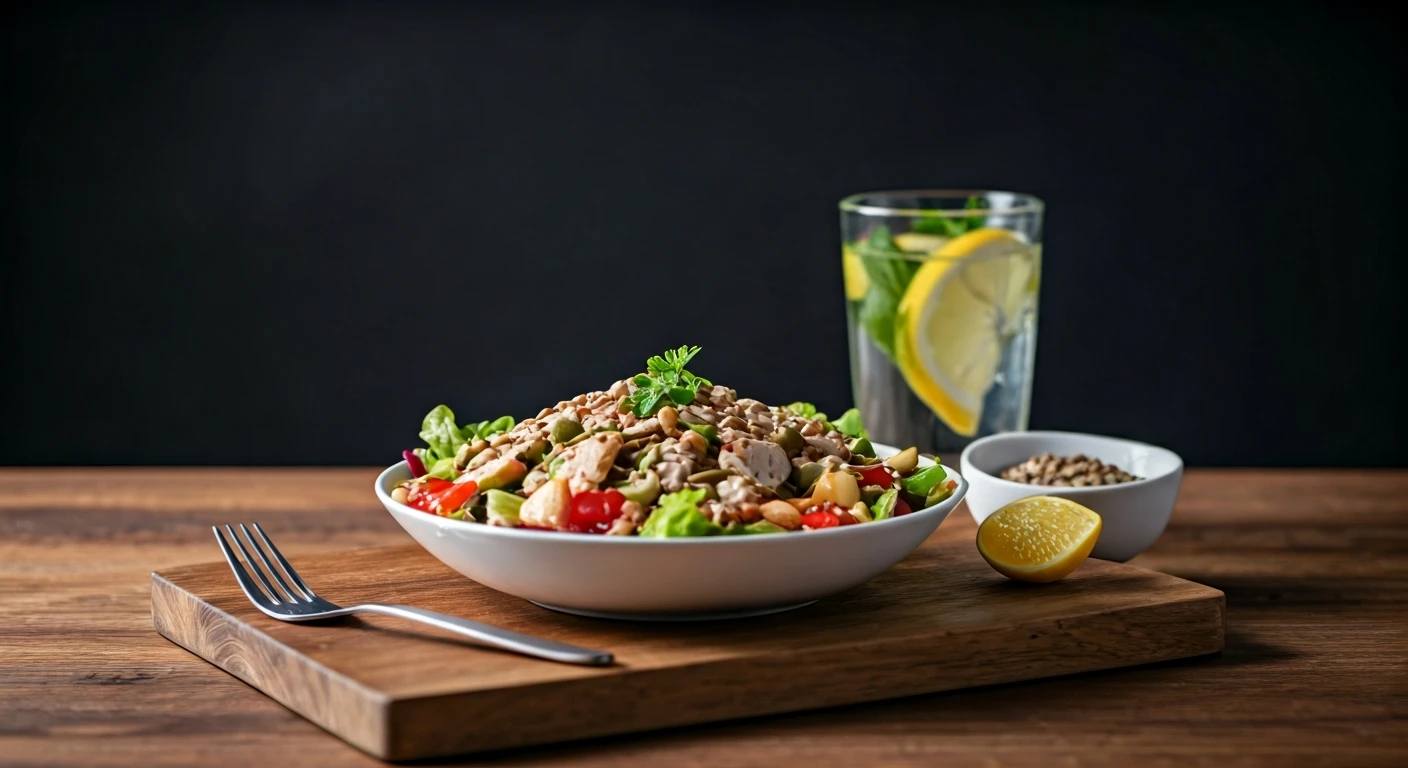
The traditional American plate often features a massive portion of protein or starch, with vegetables as a small afterthought. Coastal eating flips this script. Here, vegetables and fresh greens often take up the most real estate. A meal might be a large, bountiful salad topped with a modest portion of grilled shrimp, seared scallops, or flaked tuna. This isn't about deprivation; it's about rebalancing. You're filling up on nutrient-dense, high-fiber vegetables that aid digestion rather than slowing it down. The protein acts as a flavorful, satisfying accent rather than the overwhelming star of the show. This shift in proportion is key to feeling satisfied but not stuffed, providing your body with steady energy rather than the spike-and-crash cycle associated with carb-heavy meals.
Embrace the Raw and Lightly Cooked
From West Coast oyster bars to East Coast raw bars, enjoying seafood in its purest form is a celebrated coastal tradition. Oysters on the half shell, tuna tartare, and scallop crudo are prime examples of how pristine ingredients can shine without any heat at all. These preparations preserve the delicate texture and clean, oceanic flavor of the seafood. When cooking is necessary, it's often quick and gentle. Steaming mussels in a light broth of white wine and garlic, or quickly pan-searing a piece of tuna so the inside remains rare, are techniques that respect the ingredient. This minimal-intervention approach not only tastes incredible but is also much easier for your body to digest than heavily cooked, processed foods, ensuring you leave the table feeling light and invigorated.