



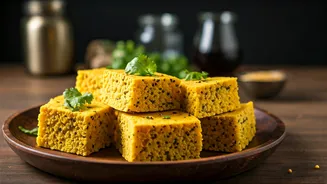


The ‘Scramble’ You Don’t Know Yet
Before we get to the tofu, let’s talk about the “bhurji.” In Hindi, the word simply means “scrambled.” In kitchens across India, it most often refers to Anda Bhurji, a wildly popular dish of spiced scrambled eggs. It’s a go-to breakfast, a quick lunch,
and a beloved street food staple. Onions, tomatoes, ginger, garlic, and a host of aromatic spices are sautéed before eggs are cracked directly into the pan and scrambled into a flavorful, savory mince. For vegetarians, the classic alternative is Paneer Bhurji, which uses crumbled fresh cheese instead of eggs. The core concept remains the same: take a simple protein, crumble or scramble it, and infuse it with a kaleidoscope of vibrant flavors. It’s a cooking method designed for maximum taste with minimal fuss, which is precisely why it’s the perfect vehicle for a protein that many people find challenging: tofu.
Where Tofu Finds Its Calling
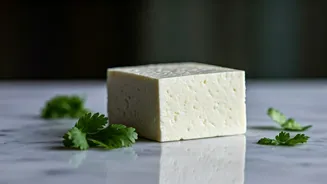
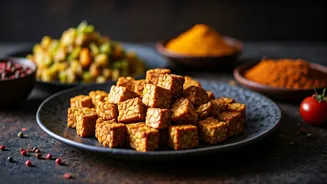
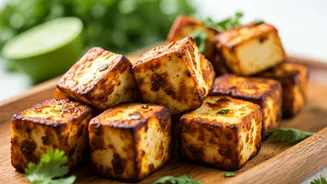
Tofu’s greatest strength—and, to its critics, its greatest weakness—is its neutrality. It’s a blank canvas. While this can lead to bland results in the wrong hands, it’s a superpower in a dish like bhurji. When you crumble a block of firm or extra-firm tofu, you create a texture full of nooks and crannies, perfectly engineered to absorb flavor. Unlike a silky cube of tofu that might sit passively in a broth, crumbled tofu eagerly soaks up every bit of spice and aromatic oil in the pan. The texture is key. It doesn’t become mushy or watery. Instead, it develops a slightly crumbly, tender, and satisfyingly chewy consistency that beautifully mimics the texture of scrambled paneer and even well-cooked scrambled eggs. It holds its own, providing a hearty base that lets the spices shine without getting lost. In bhurji, tofu isn't just a substitute; it's an ideal ingredient that seems tailor-made for the job.
The Scrambled Egg Connection
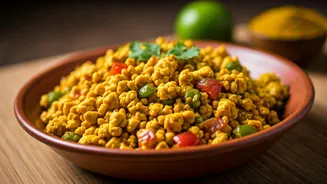
Here’s why Tofu Bhurji feels so revolutionary for the tofu-skeptical: it taps into a deeply ingrained textural memory for most Americans. We know what scrambled eggs are supposed to feel like. That soft but firm, slightly irregular texture is a cornerstone of American breakfast. Tofu Bhurji delivers a strikingly similar mouthfeel. When you take your first bite, your brain doesn’t register “weird health food.” It registers “savory scramble.” This sense of familiarity is a powerful bridge. It removes the mental barrier that often comes with trying a new plant-based food. You aren’t learning to appreciate a new, alien texture; you’re experiencing a familiar one in a new, exciting context. It’s the perfect gateway dish, demonstrating that plant protein doesn’t have to be a culinary compromise. It can be just as satisfying and intuitive as the foods you grew up with.
A Masterclass in Flavor
While the texture provides comfort, the flavor delivers the excitement. Tofu Bhurji is a lesson in how to use spices to build layers of taste. The process typically starts by blooming cumin seeds in hot oil, releasing their nutty aroma. Then come finely chopped onions, ginger, and garlic, cooked until soft and fragrant. Turmeric is essential, lending its earthy notes and a brilliant golden-yellow hue that visually reinforces the scrambled-egg illusion. Coriander powder adds a citrusy warmth, while a pinch of red chili powder provides a gentle kick. Many recipes finish with a sprinkle of garam masala, a complex spice blend that adds depth and fragrance, and a handful of fresh cilantro for a burst of freshness. The result is a dish that is savory, slightly spicy, and deeply aromatic. The tofu is no longer a bland block but a vehicle for a dynamic flavor experience.
More Than a Breakfast Dish
While Tofu Bhurji makes a fantastic savory breakfast, its versatility is part of its charm. Because it’s so similar to Anda Bhurji, it’s eaten in many of the same ways. You can pile it onto buttered toast for a quick and satisfying meal that feels incredibly familiar. For a more traditional Indian approach, serve it with warm roti, paratha, or naan, using the flatbread to scoop up the flavorful scramble. It’s also brilliant as a filling for wraps and sandwiches, or even served over a bed of quinoa or rice for a hearty lunch bowl. This adaptability makes it an easy dish to integrate into your weekly routine. It’s not a project recipe; it’s a fast, flavorful, and protein-packed meal that can be on the table in under 20 minutes, offering a delicious solution for breakfast, lunch, or dinner.