



More Than a Colonial Hangover
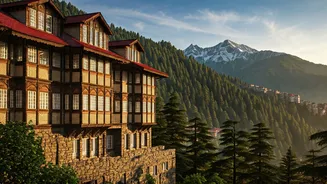
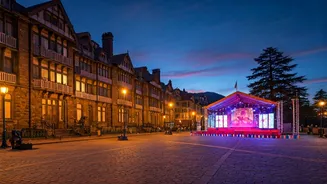
For many Americans, the name Shimla might conjure images of pith helmets and Victorian architecture, a mountain getaway frozen in time. And in a way, that history is unavoidable. As you stroll along The Mall, a pedestrian-only promenade that feels like
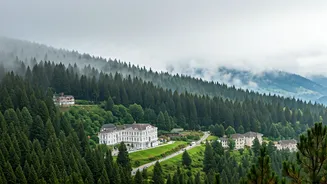
a misplaced English high street, the past is everywhere. The striking neo-Gothic Christ Church stands sentinel, while the grand Gaiety Theatre, which has hostedeveryone from Rudyard Kipling to modern Bollywood stars, still stages productions. The famous Kalka-Shimla toy train, a UNESCO World Heritage site, still dutifully chugs its way up the mountainside, offering breathtaking views through 102 tunnels. But to see Shimla as just a museum of the British Raj is to miss the point entirely. This is a living, breathing Indian city. It’s the capital of the state of Himachal Pradesh, a hub for students, artists, and entrepreneurs who are redefining its identity. The colonial buildings now house bustling cafes, independent bookshops, and boutique hotels, creating a unique fusion where history isn’t just preserved—it’s actively being repurposed.
The New Soundtrack of the Hills
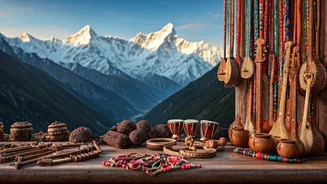
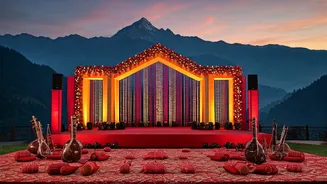
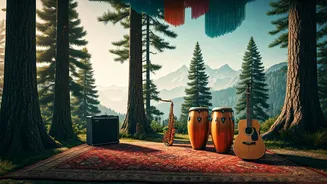
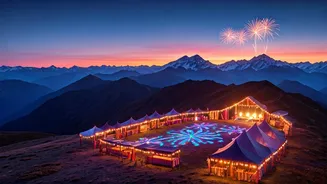
The most potent sign of Shimla’s evolution is its sound. The city's famous “cool air” is now frequently filled with more than just the scent of pine and rhododendron. It’s filled with music. The annual Shimla Summer Festival, typically held in June, transforms The Ridge—a sprawling open space at the heart of the city—into a massive concert venue. The event attracts major artists from across India, drawing huge crowds of locals and tourists alike for days of free performances under the stars. Beyond the main festival, a quieter but equally compelling music scene thrives year-round. Cozy cafes tucked away on side streets host acoustic sets featuring local indie bands blending Himachali folk traditions with contemporary singer-songwriter styles. You’re as likely to hear a heartfelt cover of a John Denver classic—a surprising favorite in the Indian hills—as you are an original composition about mountain life. This isn't a manufactured tourist experience; it's the genuine pulse of a city finding its modern voice.
A Year-Round Cultural Calendar
Shimla’s cultural renaissance extends far beyond music. The city has become a surprisingly robust center for the arts, punching well above its weight for a mountain town of its size. The International Film Festival of Shimla, for example, draws filmmakers and cinema lovers from around the world, screening independent films in historic venues like the Gaiety. It’s a testament to a community that values storytelling and artistic expression. The city is also home to a number of art galleries showcasing the work of Himachali artists, whose paintings often depict the stunning landscapes and rich cultural tapestry of the region. The State Museum provides deeper context, with collections ranging from ancient archaeological finds to colonial-era artifacts and traditional costumes. The effect is a layered cultural experience where you can spend the morning hiking to a scenic overlook and the afternoon debating the merits of a new documentary or admiring contemporary local art.
The Original Attraction Endures
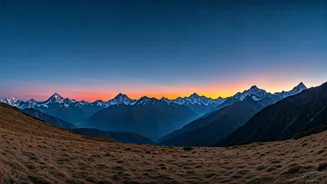
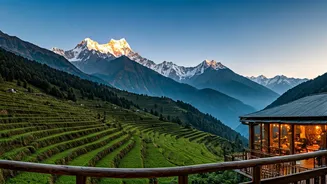
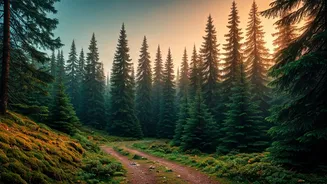
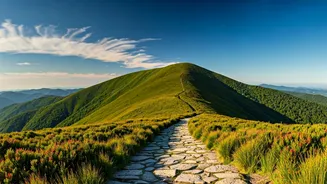
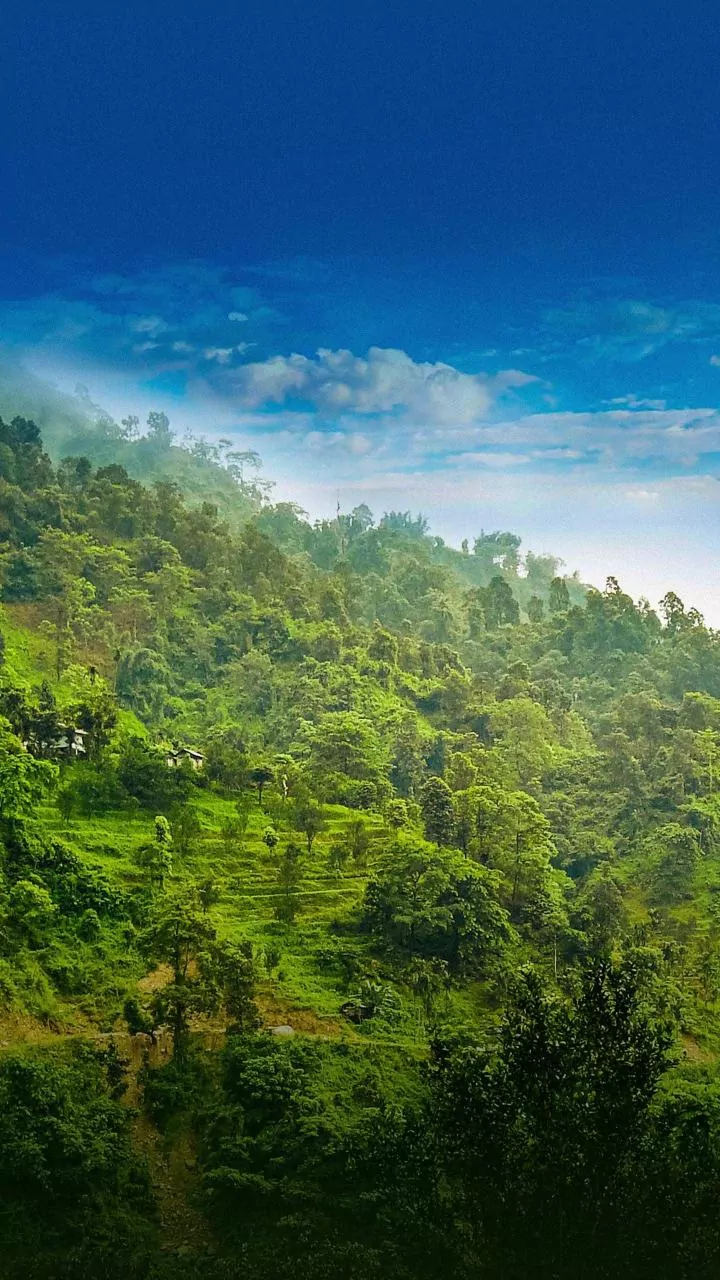
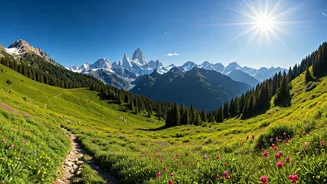
For all its new cultural dynamism, Shimla hasn’t forgotten its original draw: the cool, crisp mountain air. This remains the city’s foundational promise. For centuries, it has been the ultimate escape from the scorching heat of the Indian plains. The simple act of walking The Ridge, with panoramic views of the snow-capped Himalayan ranges on a clear day, is an experience in itself. The air is thin and clean, a welcome respite that clears the head and invigorates the soul. This natural beauty is the canvas on which the city’s culture is painted. Hikes through deodar cedar forests to the Jakhu Temple, presided over by a colossal statue of the monkey god Hanuman, or day trips to the nearby ski slopes of Kufri, offer a physical counterpoint to the city’s intellectual and artistic pursuits. It’s this perfect balance—the ability to engage with a thriving cultural scene and then retreat into the profound tranquility of the mountains—that makes Shimla so compelling today.