


The Search for Deeper Flavor
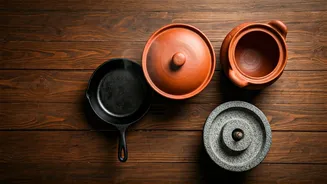
The primary driver of this trend is simple: taste. Modern non-stick and aluminum pans are fantastic for a quick stir-fry, but they can't replicate the unique culinary magic of traditional materials. Take the humble clay pot, or 'handi.' Its porous nature
allows heat and moisture to circulate evenly, slow-cooking ingredients in their own juices. This results in incredibly tender meat and vegetables, and a depth of flavor that a sealed metal pot struggles to achieve. Dishes like biryani or a slow-simmered dal (lentil stew) develop a subtle earthiness that is both complex and comforting. Similarly, the cast-iron 'kadai,' a deep, wok-like pan, is making a major comeback. Once seasoned, it provides a naturally non-stick surface that’s perfect for searing paneer or deep-frying samosas. Its superior heat retention ensures a consistent cooking temperature, yielding crispier textures and more evenly cooked food. For many, rediscovering these tools is a revelation, proving that the oldest technology often produces the most delicious results.
A Health-Conscious Choice
Alongside the quest for flavor is a growing concern for wellness. For years, the convenience of non-stick coatings came with nagging questions about the chemicals used to create them, such as PFAS (per- and polyfluoroalkyl substances). As consumers become more ingredient-savvy, they are applying the same scrutiny to their cookware. Clay, stone, cast iron, and brass ('kansa') are seen as natural, non-toxic alternatives. There are perceived benefits beyond avoiding chemicals. Cooking in cast iron can modestly increase the iron content of food, which is a welcome bonus for those with iron deficiencies. Clay pots are alkaline, which is believed to help neutralize the pH balance of acidic foods like tomatoes, making them gentler on the stomach. While not a replacement for a balanced diet, this return to traditional materials aligns perfectly with a holistic approach to health, where every element of the food preparation process is considered.
Nostalgia and a Connection to Heritage
For many in the Indian diaspora, this trend is deeply personal. Using a heavy stone mortar and pestle ('sil-batta') to grind spices isn't just about achieving a fresher, more aromatic paste than a food processor can provide. It's about recreating the sounds and smells of a grandmother’s kitchen. It’s an act of cultural preservation, a tangible link to family history and culinary lineage. In homes across the United States, these tools serve as a bridge to a homeland that may be thousands of miles away. The process of seasoning a new cast-iron pan the way a parent taught them, or the patience required for clay pot cooking, becomes a mindful ritual. It’s a way of slowing down and honoring the generations of cooks who perfected these techniques long before the advent of the Instant Pot. In a world of digital everything, the analog, tactile nature of this equipment offers a powerful sense of grounding and identity.
The Slow Food Rebellion
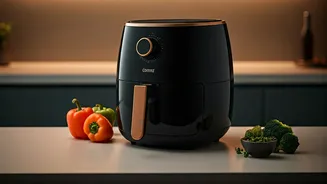
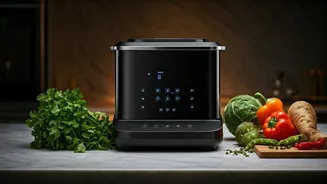
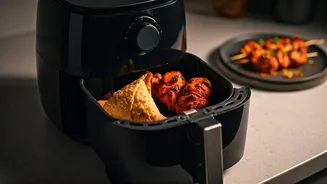
Ultimately, the revival of old-school Indian cookware is part of a broader cultural movement. It's a quiet rejection of a food system optimized for speed and convenience above all else. It champions a “slow food” philosophy that values process, patience, and intentionality. Grinding spices by hand, waiting for a clay pot to heat up, or carefully tending a simmering curry isn’t a chore; it’s an integral, and enjoyable, part of the cooking experience. This isn’t about throwing out the microwave or air fryer. Instead, it’s about a thoughtful integration of old and new. It’s about recognizing that while a blender is great for a morning smoothie, a stone grinder is better for a traditional chutney. By making space for these ancestral tools, modern cooks are discovering that the path to a truly satisfying meal isn't always the fastest one.