


A Quest for Quality Control
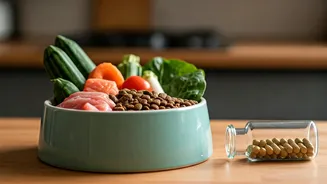
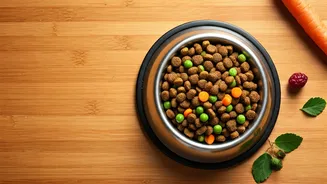
The modern pet owner is more informed and discerning than ever, and that scrutiny starts with the food bowl. In recent years, a steady stream of pet food recalls due to contamination with salmonella, listeria, or toxic substances has eroded consumer trust.
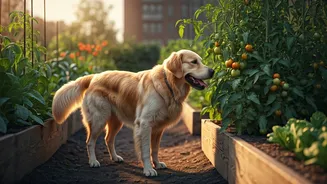
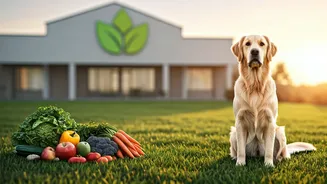
For urbanites living far from the agricultural source, it’s difficult to know what’s really in their pet’s kibble. Rooftop agriculture offers a radical solution: ultimate transparency. By growing your own pet-safe greens and vegetables, owners can personally guarantee that what their animal consumes is free from pesticides, harmful additives, and cross-contamination. This hands-on approach isn't just about gardening; it's about reclaiming peace of mind in an often-opaque commercial food system.
The Fresh Nutrient Boost
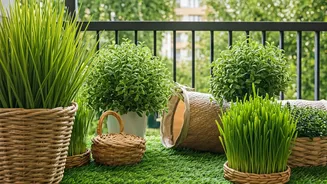
While balanced commercial pet food is the foundation of most animals’ diets, many owners believe that fresh, whole foods provide a valuable nutritional supplement. Just as humans benefit from fresh salads and herbs, pets can enjoy the vitamins and fiber from certain plants. Rooftop gardens for pets often feature items like cat grass (a blend of wheat, barley, or oat grass) that aids digestion and helps prevent hairballs. Other popular choices include parsley and mint, which can help freshen breath, or small amounts of chopped carrots and blueberries, which provide antioxidants and vitamins. The appeal lies in the vitality of the food. Nutrients in plants begin to degrade after harvesting; by providing something grown just steps away, owners feel they are offering their pets the most potent and bioavailable form of these plant-based benefits.
Enrichment Beyond the Food Bowl
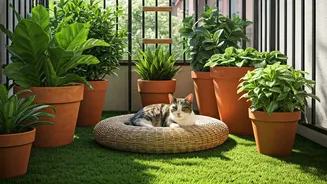
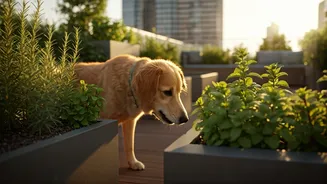
A rooftop garden provides more than just a healthy snack; it serves as a source of crucial mental and sensory enrichment for animals confined to an apartment. For indoor cats, having access to safe greens to chew on mimics their natural instinct to graze and can deter them from nibbling on potentially toxic houseplants. The act of sniffing, exploring, and nibbling on different textures and scents provides stimulation that combats boredom and anxiety. For dogs, herbs like rosemary and basil offer an exciting sensory experience. This form of environmental enrichment is increasingly recognized by veterinarians as a key component of overall animal wellness, contributing to a calmer and more content pet. The garden becomes a tiny, curated wilderness in the middle of a concrete jungle.
A Shared Wellness Ritual
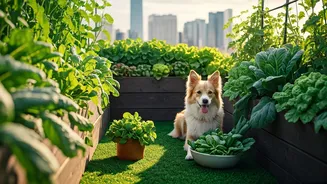
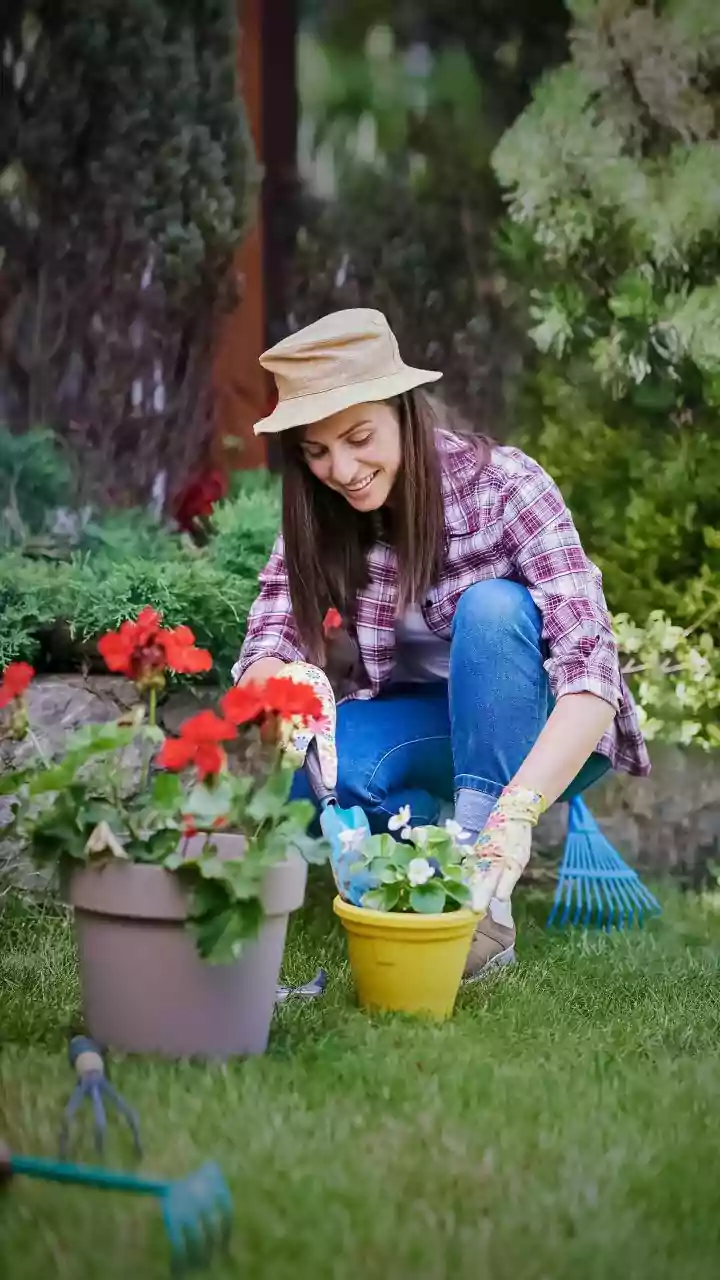
This trend isn't just about the pet. The benefits for the owner are a powerful, if sometimes secondary, motivation. Tending to a small garden offers a welcome escape from the hustle of city life—a quiet, mindful activity that reduces stress and provides a tangible connection to nature. In a high-rise apartment, the simple act of putting your hands in soil can be profoundly grounding. This activity becomes a shared ritual between owner and pet. It strengthens their bond, creating a positive feedback loop: the owner feels good providing for their pet, the pet enjoys the fresh treats and stimulation, and the cycle of care deepens their connection. It transforms pet ownership from a set of chores into a holistic partnership centered on mutual well-being.
The Practical Urban Farm
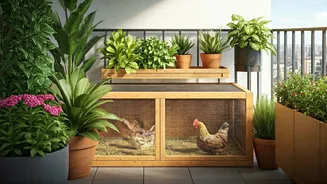
Getting started is more accessible than it might seem. Rooftop and balcony gardening for pets rarely requires a massive plot. A few containers, pots, or a window box can be sufficient to cultivate a rotating supply of greens. The key is knowledge and safety. Owners must research which plants are safe for their specific animal, as many common garden plants (like lilies, tulips, and onions) are highly toxic to cats and dogs. Starting with easy-to-grow, pet-friendly staples like cat grass or mint is a common entry point. As these small-scale urban farms pop up on rooftops and fire escapes across American cities, they represent a powerful statement: that even in the most unnatural of environments, people will find a way to provide a slice of nature for the animals they love.