






The Quiet Alternative to the Crowds
For many American travelers dreaming of the Himalayas, the default images are often of bustling towns like Shimla or Manali. While beautiful, these popular destinations can sometimes feel overrun, their charm diluted by traffic and commercialism. Harsil,
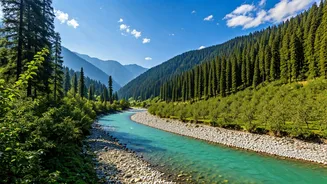
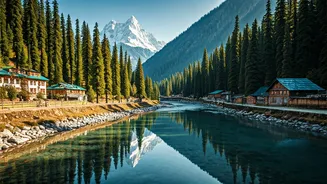
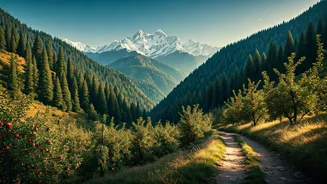
a small village nestled in the Uttarkashi district of Uttarakhand, offers a compelling alternative. Situated at an altitude of around 8,500 feet on the banks of the Bhagirathi River, it serves as a peaceful gateway to the upper Himalayas. What sets Harsil apart is its relative obscurity. It isn't a sprawling resort town but a cantonment area with a quiet, pastoral feel. The journey itself, a winding drive through river valleys and dense pine forests, acts as a natural filter, discouraging the kind of casual tourism that floods more accessible locations. The reward for those who make the trip is an authentic mountain experience, where the silence is broken only by the river, the wind in the deodar trees, and the distant call of a bird.
Where Apple Orchards Meet Snowcaps
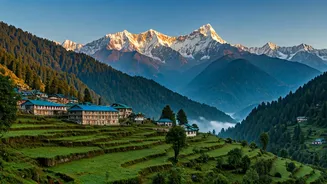
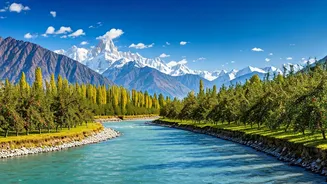
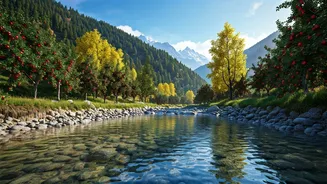
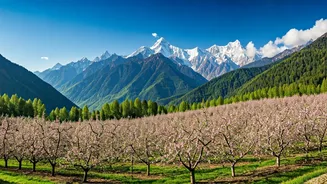
Harsil’s landscape is uniquely picturesque, blending rugged mountain grandeur with gentle, cultivated beauty. The village is famously known as the “apple bowl” of Uttarakhand. Legend has it that an Englishman named Frederick Wilson, who settled here in the 19th century, introduced apple cultivation to the region. Today, sprawling apple orchards blanket the valley, creating a stunning spectacle. In spring, they are a sea of white and pink blossoms; by late summer and early autumn, they are heavy with crimson fruit, filling the air with a sweet fragrance.
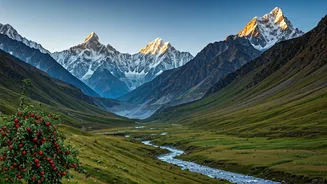
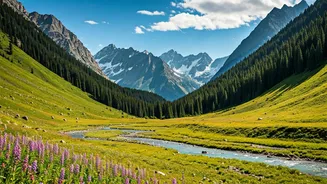
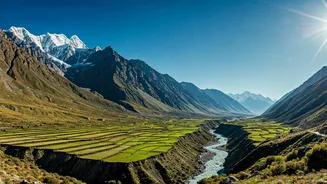
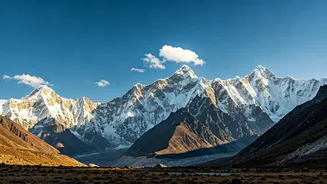
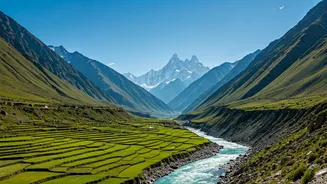
This idyllic pastoral scene is framed by a dramatic backdrop of towering, snow-dusted peaks. The valley provides clear, unobstructed views of the Bandarpunch range and other Himalayan giants. The combination of the deep green deodar forests, the shimmering Bhagirathi River, the orderly orchards, and the stark white mountains creates a layered panorama that feels both immense and intimate.
Activities for the Serene Traveler
The main activity in Harsil is simply being there: breathing, walking, and absorbing the profound peace of the surroundings. It's a place for unwinding, not for ticking off a checklist. However, for those who wish to explore, there are several gentle pursuits. Simple village walks through Harsil and the neighboring hamlet of Dharali offer a glimpse into the local way of life. Short, rewarding treks are also possible, with trails leading to nearby meadows and viewpoints.
A must-visit is the nearby Mukhba village, which serves as the winter seat of the deity Ganga. When the famous Gangotri Temple closes for the harsh winter, the idol of the goddess is brought down to Mukhba in a ceremonial procession. Visiting the temple here offers a spiritual and cultural touchpoint away from the larger pilgrimage crowds. For more serious trekkers and pilgrims, Harsil serves as a comfortable and scenic base before or after the challenging journey to Gangotri, which is just 15 miles up the road.
Planning Your Himalayan Escape
Getting to Harsil requires some planning. The nearest airport is Jolly Grant Airport (DED) in Dehradun, about 150 miles away, and the closest major railway station is in Rishikesh. From there, it’s a full-day journey by car or bus. The drive, while long, is part of the adventure, offering spectacular views as you climb into the mountains.
The best time to visit is from April to June for pleasant weather and clear skies, or from September to November for the post-monsoon greenery and apple harvesting season. Winters (December to February) are harsh, with heavy snowfall often cutting off road access. Accommodations are not luxurious five-star resorts but clean, comfortable guesthouses and homestays that provide a warm, local welcome. Booking in advance, especially during peak season, is advisable. This isn't the place for spontaneous luxury, but for planned, soulful travel.