





Go Beyond Smarter Packing
The most basic use for a weather app is still one of its best: deciding what clothes to bring. But the modern traveler uses forecasting for so much more. Are you heading to the Pacific Northwest in October? A detailed hourly forecast showing a dry 1 p.m.
to 4 p.m. window helps you schedule that hike you were worried about. That high-UV index warning for your tropical getaway isn’t just a reminder to pack sunscreen; it’s a signal to plan your beach time for the morning and late afternoon, reserving the midday hours for an indoor museum or a long lunch in the shade. It’s about building a dynamic itinerary. Instead of just packing for the weather, you’re now scheduling your activities around it for maximum comfort and enjoyment.
Master the Art of the Microclimate
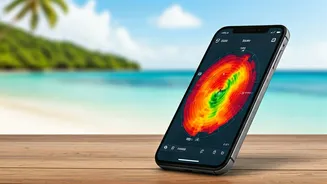
Many of the world’s most beautiful destinations are famous for their fickle weather patterns. Think of the Hawaiian islands, where one side can be drenched in rain while the other is bathed in sun, or San Francisco, where a 15-minute drive can take you from chilly fog to brilliant sunshine. Advanced weather apps with radar maps and hyperlocal forecasts are indispensable in these situations. Before you scrap a beach day in Kauai because your hotel is under a cloud, you can check the radar and see that Poipu, just 30 minutes away, is perfectly clear. This granular detail allows you to navigate a region’s microclimates like a local, saving you from missing out on incredible experiences just because of the weather in one specific spot.
Dodge the Crowds and Find Serenity
Weather is a primary driver of human behavior, and savvy travelers can use that to their advantage. If the forecast for a popular national park predicts a perfect, sunny Saturday, you can expect peak crowds. But what if it shows clouds clearing in the late afternoon? By planning your visit to start around 3 p.m., you might arrive just as the morning rush is leaving, giving you a far more peaceful experience during the day’s best light. Similarly, a forecast for light morning showers in a major European city can thin out the crowds at typically swamped landmarks. If you’re willing to brave a little drizzle with a good rain jacket, you might get that perfect, tourist-free photo in front of the Colosseum or the Eiffel Tower.
Use Forecasts as a Money-Saving Tool
Your weather app can also be a surprising tool for budget management. Tour operators and attractions that rely on good weather often use dynamic pricing or offer last-minute deals on days with less-than-ideal forecasts. That boat tour or outdoor excursion might see a price drop if rain is predicted. If you see a few overcast days on the horizon, hold off on booking certain activities. You can often snag a discount by booking the day before or the morning of, once operators know demand will be lower. This strategy requires flexibility, but for travelers without a rigid schedule, aligning your spending with the forecast can lead to significant savings, freeing up cash for other parts of your trip.
Navigate the New Realities of Extreme Weather
In an era of increasing climate volatility, weather awareness is no longer just about convenience—it’s about safety. Wildfire smoke plumes can travel hundreds of miles, impacting air quality in places far from the fire itself. Hurricane paths can shift unexpectedly, and flash floods can turn a scenic drive into a serious hazard. Modern weather apps provide crucial alerts for these events, from air quality warnings and heat advisories to severe storm notifications. Setting up alerts for your destination (and any locations you’re driving through) is a non-negotiable step in modern travel. It gives you the advance warning needed to change plans, secure shelter, or even reroute your entire trip to stay safe.