








The Challenge of Monsoon Gardening
For gardeners in Arizona, New Mexico, and other parts of the American Southwest, the summer monsoon is a season of extremes. After months of dry heat, the sudden shift to high humidity and torrential downpours can be a shock to the landscape. While the water
is a blessing, the sheer force of it can flatten delicate plants, wash away soil, and create conditions ripe for fungal diseases. It’s a time when many gardens seem to surrender, looking battered and weary under heavy gray skies. Finding plants that not only survive but actively thrive in these conditions—offering color and cheer when it’s needed most—is the key to a successful monsoon garden.
Built for Summer Storms
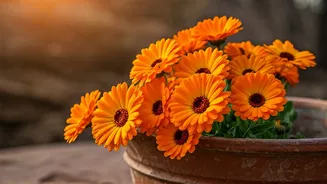
Enter the marigold. This unassuming annual is far tougher than its cheerful blooms suggest. Native to the Americas, marigolds are genetically programmed to handle heat and sun, which they get in spades even during the monsoon. But their real superpower is their resilience. Their sturdy stems and bushy growth habit help them withstand heavy rain without breaking or becoming permanently flattened. As long as they are planted in soil with good drainage, they are remarkably tolerant of the wet-dry cycle that defines the season. They don’t demand constant attention, making them a perfect low-maintenance choice for gardeners who would rather watch the storms roll in than worry about their flowerbeds.
An Instant Burst of Sunshine
The headline’s promise of “festive fast” is no exaggeration. Marigolds are famously quick to grow and bloom, whether you start them from seed or buy small starter plants. Within weeks, you can have a full-fledged display of fiery color. Their palette—vibrant yellows, deep oranges, and rich burgundies—acts as a perfect visual counterpoint to the often-overcast monsoon skies. These warm, sunny colors pop in the diffused light, instantly lifting the mood of a garden. Planting them in pots on a patio, along a walkway, or in clusters throughout a garden bed creates pockets of reliable brightness that make the entire space feel more intentional and celebratory.
The Ultimate Garden Helper
Beyond their good looks, marigolds serve a practical purpose that makes them even more valuable. Certain varieties, particularly French marigolds (Tagetes patula), release a substance from their roots that is known to repel root-knot nematodes, microscopic pests that can wreak havoc on the root systems of vegetables like tomatoes and peppers. Planting marigolds as a companion plant can help protect your edible garden from these unseen threats. They are also known to deter other pests above ground, and their flowers attract beneficial insects like hoverflies and ladybugs, which prey on aphids. In a monsoon garden where pest populations can explode in the humidity, the marigold works as a beautiful, functional bodyguard.
Tips for a Thriving Display
Getting the most out of your monsoon marigolds is simple. First, prioritize drainage. If you have heavy clay soil, consider planting in raised beds or containers filled with a quality potting mix. This prevents their roots from sitting in water after a downpour. Second, give them sun. They need at least six hours of direct sunlight a day to produce abundant blooms. Finally, while they are drought-tolerant, don't forget to water them deeply between rains, especially on hot, dry days that break up the storm cycle. Deadheading, or pinching off spent blooms, will encourage the plant to produce more flowers all season long, ensuring your garden stays festive right until the cooler, drier days of fall arrive.