


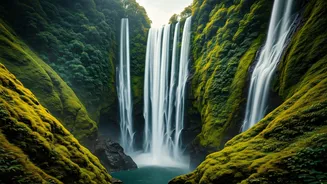


Welcome to the Wettest Place on Earth
Locally known as Sohra, Cherrapunji holds a near-mythical status as one of the wettest places on the planet. Nestled in the Khasi Hills of the northeastern state of Meghalaya, which translates to “Abode of the Clouds,” this town doesn’t just get rain;
it performs it. While the official record for the highest annual rainfall is often a friendly competition with the nearby village of Mawsynram, the effect is the same: a landscape defined by water. In most parts of the world, travelers avoid the rainy season. Here, you run toward it. June marks the dramatic arrival of the monsoon, a season that doesn't dampen spirits but rather breathes life into the region, transforming it from merely beautiful to truly epic.
A Symphony of Roaring Waterfalls
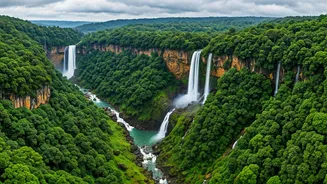
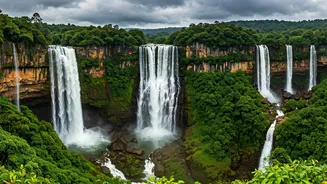
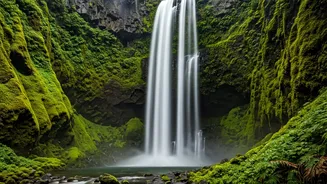
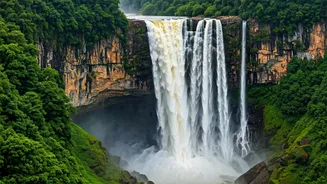
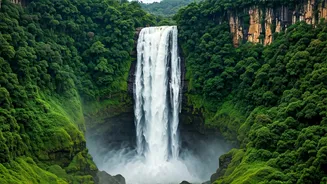
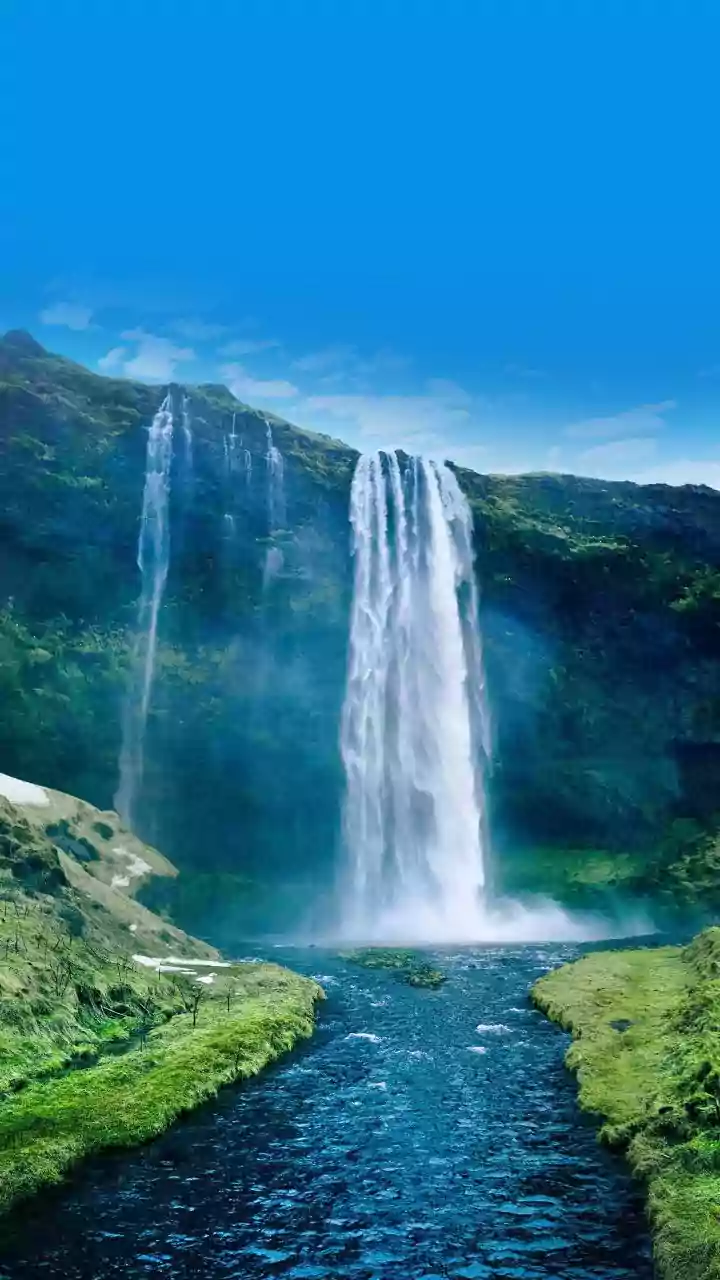
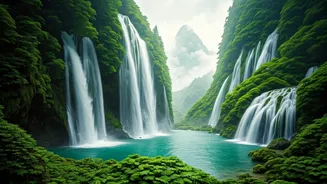
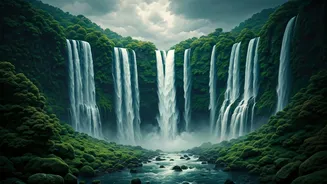
The real reason a June trip here is a “flex” is the waterfalls. During the dry season, they are modest streams. But when the monsoon hits, they swell into furious, magnificent giants. The most famous is Nohkalikai Falls, the tallest plunge waterfall in India. It freefalls over 1,100 feet from a lush, green cliff into a turquoise pool below. The name, however, carries a somber local legend of a woman named Likai, adding a layer of poignant history to its beauty. Not far away are the Nohsngithiang Falls, better known as the Seven Sisters Falls. Here, seven distinct streams cascade side-by-side down a sheer limestone cliff, creating a panoramic spectacle that is best—and often only—visible during the heavy rains. Exploring the area means being surrounded by the constant, meditative roar of water, a soundtrack to an unforgettable adventure.
Walking on Living Bridges
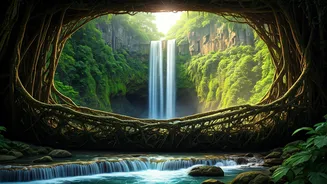
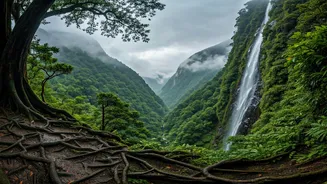
If the waterfalls are nature’s art, the living root bridges are humanity’s collaborative masterpiece with it. For centuries, the indigenous Khasi people have guided the aerial roots of the Ficus elastica tree across rivers and streams, weaving them into functional, breathtakingly beautiful bridges. These structures are the perfect solution for a place with so much rain; unlike wooden bridges that would rot, the root bridges grow stronger over time and with more moisture. The most famous of these, the Umshiang Double-Decker Root Bridge in Nongriat village, is a testament to this incredible bio-engineering. Reaching it requires a significant trek, but walking across a bridge that is alive is an experience that grounds you in the ingenuity and deep environmental connection of the local culture. It’s not just a photo op; it’s a lesson in sustainable design.
Embracing the Monsoon Vibe
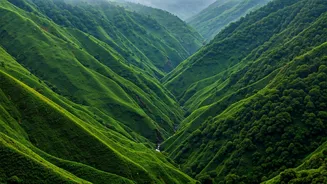
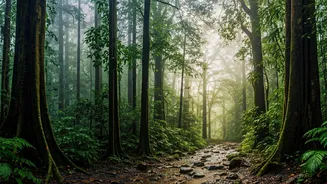
A trip to Cherrapunji in June requires a mental shift. You’re not here for blue skies. You’re here for the drama of swirling mist that parts to reveal a valley, the fresh scent of rain on earth, and a green so vibrant it almost hurts your eyes. The experience is immersive. You’ll find yourself sipping hot chai while watching the clouds roll in, exploring misty caves like Mawsmai, or sampling unique Khasi cuisine. The weather dictates the pace of life, encouraging you to slow down and simply watch the spectacle unfold. Packing is key: waterproof everything is non-negotiable, and good, grippy shoes are your best friend. But being prepared for the wet means you’re free to enjoy the magic of a world saturated in color and life.