





They Are Natural Pest Deterrents
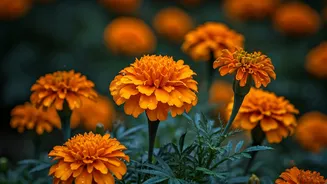
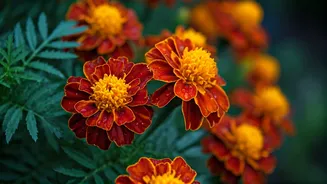
This is the marigold’s most famous superpower. While they won't create an impenetrable forcefield around your garden, certain varieties are scientifically proven to combat major soil pests. French marigolds (Tagetes patula), in particular, release a chemical
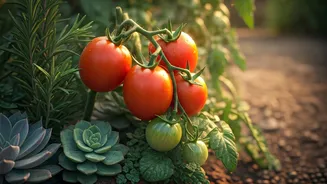
from their roots that is toxic to root-knot nematodes—microscopic worms that can devastate tomatoes, peppers, and other vegetables. To be effective, the marigolds need to be planted in an area a season *before* your vegetable crops to cleanse the soil. Anecdotally, many gardeners swear that the strong scent of marigolds also deters larger pests like rabbits and deer, who find the smell unappealing, and can confuse insects like the tomato hornworm looking for its host plant.
They Attract Beneficial Insects
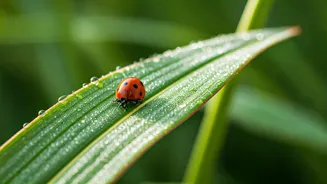
A healthy garden isn't about eliminating all insects; it's about creating a balanced ecosystem. Marigolds are fantastic at inviting the good guys to the party. Their bright, simple blossoms are a beacon for pollinators like bees and butterflies, which are essential for fruiting plants like squash, cucumbers, and melons. More importantly for the practical gardener, marigolds attract predatory insects. Ladybugs, lacewings, and hoverflies are all drawn to marigolds, and their larvae are voracious consumers of pests like aphids, mites, and thrips. Planting marigolds is like putting out a welcome mat for your garden's own private security team.
They Make Excellent Companion Plants
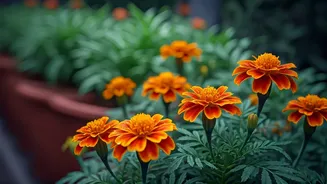
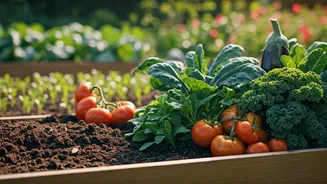
Because of their pest-deterring and beneficial-attracting qualities, marigolds are one of the best 'companion plants' you can find. Interplanting them throughout your vegetable patch is a classic organic gardening strategy. They are particularly famous for being planted alongside tomatoes, where they help protect against nematodes and other soil-borne issues. They also work well when tucked in with bush beans, squash, cucumbers, and kale. By integrating marigolds directly into your vegetable beds rather than relegating them to a border, you distribute their benefits and create a more resilient, integrated garden system.
They Are Incredibly Easy to Grow
For beginner gardeners or those with little time, it’s hard to find a more forgiving flower. Marigolds are not fussy. They thrive in full sun and can tolerate a wide range of soil types, as long as it's not constantly waterlogged. They grow quickly from seed, making them an inexpensive way to fill a garden bed, and they can handle hot, dry conditions better than many other annuals. This resilience means you get a huge floral payoff for minimal effort. Forget complicated fertilizing schedules or delicate pruning; just give them sun and occasional water, and they will reward you with continuous blooms.
They Provide Long-Lasting Color
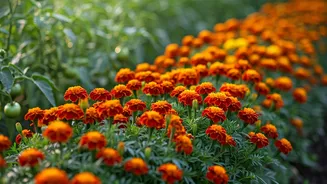
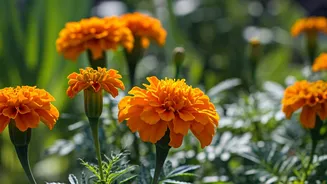
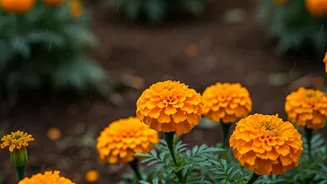
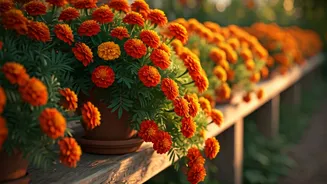
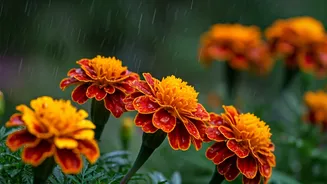
A practical garden should also be a beautiful one. Marigolds deliver a steady, reliable supply of vibrant color—from sunny yellow and deep orange to rich mahogany—from late spring right up until the first hard frost. While other flowers might have a short, specific blooming window, marigolds are in it for the long haul. This makes them perfect for filling in gaps in perennial borders, brightening up container pots, or lining a walkway with color that just won't quit. Their cheerful, pom-pom-like flowers add a classic, cottage-garden feel that never goes out of style.
Bonus: Some Varieties Are Edible
While you shouldn’t go munching on the common decorative marigolds from the garden center, some specific varieties are a delightful culinary ingredient. Signet marigolds (Tagetes tenuifolia), often sold as 'Gem' marigolds, have a citrusy, tarragon-like flavor. Their smaller, lacy flowers are a beautiful and tasty addition to salads, desserts, and drinks. The petals of French marigolds can also be used as a more affordable substitute for saffron, lending a golden hue to rice dishes. Just be sure you are growing a variety specifically meant for consumption and that it has been grown organically, without any pesticides.