



First, A Quick Chaat Primer
For the uninitiated, ‘chaat’ isn’t one single dish, but a whole universe of savory Indian snacks that are an absolute riot of flavor and texture. The word itself means ‘to lick,’ and that’s exactly what you’ll want to do. Traditionally, chaat is a glorious,
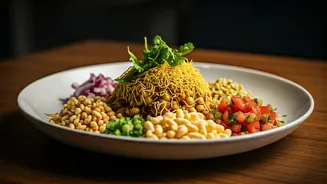
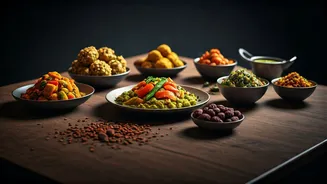
messy, and unapologetically indulgent affair. Think crispy fried dough wafers (papdi), fried potato patties (aloo tikki), or plump samosas, all forming a base that gets loaded up with potatoes, chickpeas, cool yogurt, and a vibrant trio of chutneys: tangy tamarind, spicy cilantro-mint, and sometimes a sweet and savory red chili-garlic. It’s crunchy, soft, sweet, sour, spicy, and cool, often all in the same bite. For decades, its primary habitat has been bustling street corners and no-frills eateries where flavor trumps everything else.
The Classic: A Deliciously 'Imperfect' Indulgence
The magic of traditional chaat lies in its joyous imperfection. It’s not meant to be neat or particularly healthy. The crunch often comes from deep-fried elements, the sauces can be rich and sugary, and the whole concoction is designed for pure, immediate gratification. It's the food you grab with friends after work, the celebratory snack at a family gathering, the ultimate comfort food that feels like a delicious secret. This is a huge part of its charm. It’s an act of delicious rebellion against calorie counting and clean eating—a momentary, flavorful escape. This is the image most Americans might have, if they have one at all: a delicious but ‘heavy’ treat best reserved for special occasions.
The 'Grease-Free' Glow-Up Arrives
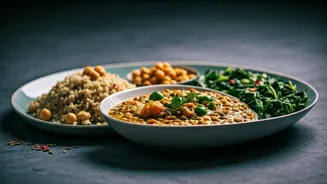
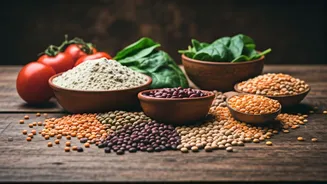
But now, a new chapter for chaat is being written, one that aligns perfectly with our modern wellness-obsessed culture. Enter the ‘grease-free’ revolution. In trendy Indian restaurants and health-conscious home kitchens across the U.S., chaat is getting a head-to-toe makeover. The deep-fried papdi is being replaced by air-fried or baked whole-wheat crisps. Samosas are shedding their oily shells for lighter, baked phyllo-like exteriors. Potatoes are sometimes swapped for protein-rich quinoa, lentils, or sweet potatoes. The yogurt is often strained Greek yogurt, and chutneys are being reimagined with date syrup or monk fruit instead of refined sugar. It’s the same transformation that gave us cauliflower pizza crusts and zucchini noodles, but this one feels different—less like a substitution and more like a thoughtful evolution.
Why It's the Ultimate 'Flex'
So why is ordering a plate of this stuff a “flex”? Because it’s not just about eating healthy. It’s about signaling a very specific kind of cultural and culinary fluency. Enjoying grease-free chaat says you appreciate global flavors but are also committed to your well-being. It says you’re in on a trend that’s still niche enough to feel cool. It’s the food equivalent of wearing a vintage band t-shirt for a band you actually love. You’re not just eating a snack; you’re participating in the evolution of a cuisine. Posting a picture of a beautifully plated, deconstructed samosa chaat with microgreens on top tells a story of sophistication, health, and adventurousness. It’s an edible status symbol that tastes as good as it looks on your Instagram feed, without any of the post-indulgence guilt.