




The Unwanted Forecast
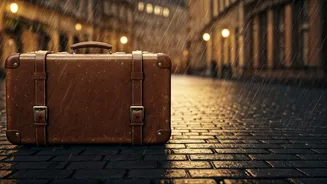
Let’s be honest: no one books a trip hoping for a deluge. We picture sun-drenched beaches, clear skies over mountain peaks, and warm, breezy evenings for outdoor dining. Rain feels like a betrayal from the universe, a soggy blanket thrown over our meticulously
planned fun. It cancels hikes, closes patios, and turns bustling city squares into a hurried sea of umbrellas. The initial reaction is almost always a sigh of frustration. We see it as lost time, a compromised version of the perfect vacation we had in our heads. This feeling is universal, a shared groan among travelers everywhere who check their weather apps with a sense of mounting dread. But this perspective assumes there is only one kind of perfect trip.
Embracing Your Main Character Moment
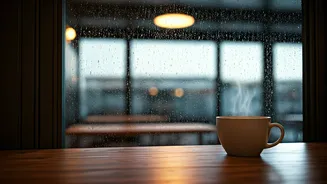
The magic of cinema often hinges on atmosphere, and nothing creates atmosphere like rain. Think of the rain-slicked, neon-lit streets of *Blade Runner*, the cathartic downpour in *The Shawshank Redemption*, or the iconic, romantic kiss in the rain from *The Notebook*. Rain in film is never just weather; it’s a narrative device. It heightens emotion, isolates characters, and forces introspection. When you’re traveling, an unexpected storm does the same thing. Suddenly, you’re not just another tourist in a crowd. You’re the solitary figure looking out a café window, the person hurrying under a dripping awning, the protagonist in your own moody, atmospheric film. The world slows down, the noise dampens, and your own experience becomes the central plot point. The rain gives you permission to be contemplative, to simply watch and feel.
A World Washed New
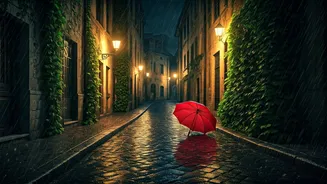
Rain engages the senses in a way sunshine rarely does. First comes the smell—petrichor, that earthy, soul-soothing scent of rain hitting dry ground. Then, the visual transformation begins. Cobblestone streets, once dusty and gray, become glossy, black mirrors reflecting the lights of shops and street lamps. The colors of the world deepen; the green of a city park becomes impossibly vibrant, and the red of a brick building takes on a rich, saturated hue. The soundscape changes, too. The constant, rhythmic drumming on a roof or a windowpane can be meditative, a stark contrast to the cacophony of a busy street. It’s a sensory reset, washing away the grime and leaving behind a world that feels cleaner, sharper, and more intensely present.
The Unexpected Joy of Shelter
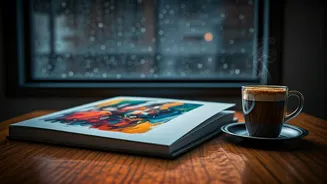
Some of the best travel memories are born from improvisation. A sudden downpour forces you off the street and into a place you might have otherwise overlooked. It could be a tiny, family-run bookstore, its shelves packed with stories waiting to be discovered. It might be a quiet, overlooked museum gallery where you have a masterpiece all to yourself. Or maybe it’s just a cozy pub or coffee shop, where the warmth from a hot drink and the murmur of local conversation provides a perfect cocoon from the weather outside. These moments of forced shelter are not wasted time; they are the trip. They are unplanned detours that often lead to the most authentic and cherished experiences, connecting you to the place in a way a packed itinerary never could.