





From Sacred Offering to River Pollutant
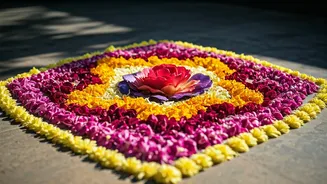
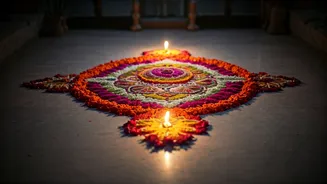
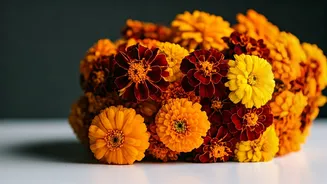
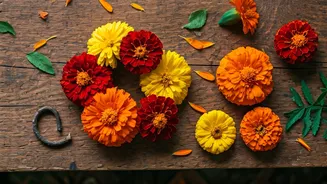
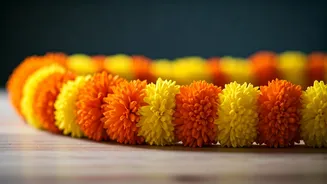
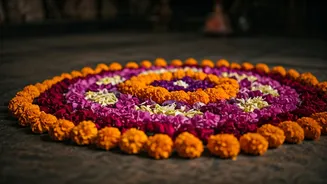
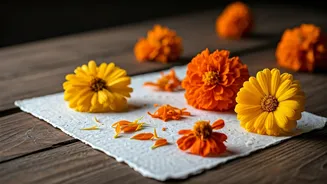
In many parts of the world, particularly India, the marigold is more than just a cheerful flower. It’s a symbol of the sun, divinity, and new beginnings. Millions of these bright orange and yellow garlands are offered daily at temples as a sign of devotion.
But what happens after the prayer is over? Traditionally, these sacred offerings, along with other floral waste, are discarded into nearby rivers. While seemingly a natural act, the sheer volume—estimated at millions of tons annually—has created a significant pollution problem. The flowers, often laden with pesticides, decompose in the water, depleting oxygen levels, harming aquatic life, and contaminating a vital resource for local communities. It’s a classic case of a beautiful tradition having an unintended, and unsustainable, environmental consequence.
The Art of Circular Creativity
This is where the magic of upcycling comes in. Innovative social enterprises have started intercepting this floral waste before it reaches the waterways. They partner with temples to collect the discarded marigolds, providing employment to local community members, often women, who sort and process the flowers. The petals are separated, dried, and then transformed through various artisanal techniques. Some are powdered to create brilliant, all-natural pigments for textiles and paints. Others are pulped to produce beautiful, fibrous handmade paper. Still others are distilled into essential oils for incense and soaps. What was once considered waste is reborn as a valuable, sustainable raw material, creating a circular economy that honors both tradition and the environment.
Inside a Marigold Workshop
Imagine stepping into a space filled with the subtle, earthy scent of dried flowers. This is the essence of an upcycled marigold workshop. These hands-on sessions guide creators through the process of using these unique materials. One popular workshop focuses on natural dyeing, where participants learn to extract a spectrum of sunny yellows, deep golds, and rich ochres from marigold petals to dye silk scarves, cotton yarn, or tote bags. You might learn the Japanese art of shibori, folding and binding fabric to create stunning patterns that emerge from the golden dye bath. Other workshops focus on papermaking, where you blend marigold-infused pulp and press your own unique sheets of textured paper, perfect for stationery or watercolor painting. It’s a sensory, meditative experience that connects you directly to the material’s journey from temple to tabletop.
More Than Just a Craft
Participating in or supporting this movement is about more than just making something beautiful. It’s a tangible way to engage with sustainable principles. For eco-conscious creators, it offers a powerful alternative to synthetic dyes and mass-produced art supplies, which often have a heavy chemical footprint. These workshops teach a philosophy of resourcefulness, encouraging a mindset that sees potential in the discarded. By using upcycled marigolds, you’re not only reducing waste but also supporting enterprises that provide fair wages, empower communities, and actively clean up vital ecosystems. It’s a creative act with a ripple effect, turning a personal hobby into a vote for a healthier planet and a more equitable society.
Bringing the Golden Idea Home
While you may not live near a temple with a floral upcycling program, you can easily adopt the spirit of these workshops. Start by looking at the natural materials around you. Many common kitchen scraps, like onion skins and avocado pits, produce surprisingly beautiful dyes. You can experiment with creating your own natural pigments from local flowers or earth. When your own floral bouquets start to wilt, press the petals for craft projects or add them to a compost pile instead of the trash. For those who want to support the source, seek out and purchase products like incense, textiles, and paper made by the organizations pioneering this work. By doing so, you become part of this inspiring story of transformation.