




The Great Indian Migration
To understand this trend, you first have to understand the modern Indian workforce. Over the past two decades, millions of young people have moved from their hometowns—be it a small city in West Bengal or a town in Rajasthan—to major metropolitan hubs
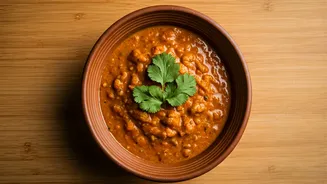
like Bangalore, Mumbai, and Delhi. They are chasing education, opportunity, and jobs in sectors like tech, finance, and creative services. This internal migration is one of the largest in human history. While they embrace the opportunities of their new cities, they leave behind family, friends, and the familiar comfort of local culture. And one of the most powerful and tangible pieces of that culture is food. It’s the specific taste of a mother’s *rajma*, the unique flavor of a street vendor’s *chaat*, or the iconic sweets from a local shop that’s been around for generations. This physical separation has created a powerful emotional void—a deep-seated craving for a taste of home.
When Tech Meets Tradition
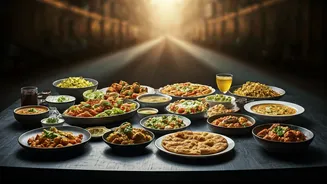
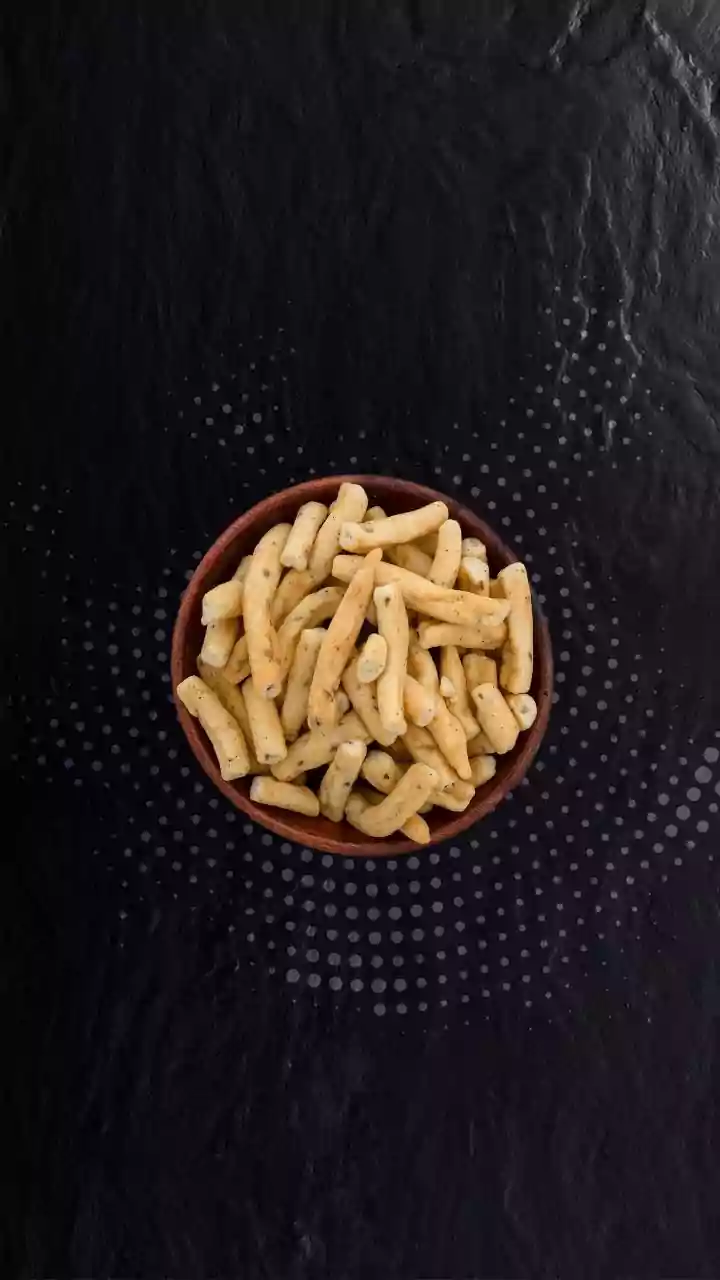
For years, satisfying this craving was a logistical nightmare. You’d have to wait for a trip home or beg a visiting relative to pack a fragrant, and often leaky, container in their luggage. But now, technology is closing the gap. Food delivery giants like Zomato have launched ambitious services like “Intercity Legends,” which allows a user in one city to order iconic, prepared dishes from restaurants in another. Suddenly, someone in Bangalore can order legendary biryani from Hyderabad or iconic sweets like *sandesh* directly from Kolkata. The logistics are complex, involving refrigerated packaging, blast-chilling techniques, and partnerships with airlines to ensure food arrives fresh, sometimes the very next day. It’s a remarkable fusion of cutting-edge supply chain management and age-old culinary traditions. Beyond the big apps, a cottage industry of smaller, direct-to-consumer brands has also emerged, specializing in shipping regional pickles, snacks, and spice mixes across the country.
More Than Just a Meal
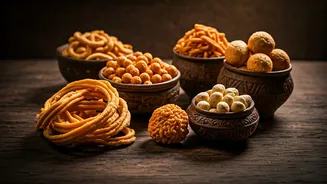
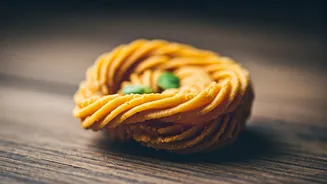
This isn't simply about convenience; it's about identity. Ordering a dish from back home is a way to reconnect with your roots and affirm your cultural heritage in a new city. For many, it’s a way to celebrate festivals like Diwali or Eid when they can’t be with family. Sharing a famous dish from their hometown with new friends becomes an act of cultural exchange, a way of saying, “This is where I’m from. This is what my home tastes like.” The most popular items aren’t just everyday meals. They are often dishes with a strong sense of place and occasion: Agra’s famous translucent candy known as *petha*, spongy *rasgullas* from Kolkata, spicy snacks from Jaipur. These aren't just foods; they are edible landmarks, each bite a reminder of a specific place, a memory, or a celebration. In a rapidly modernizing and homogenizing India, this attachment to authentic, regional flavors is a powerful statement.
Redrawing the Culinary Map
The long-term impact of this trend could be profound. For centuries, India’s culinary landscape was hyper-local. The best version of a dish was often found only within a few square miles of its origin. This new delivery ecosystem is effectively redrawing India’s food map, turning local legends into national icons. A small, family-run sweet shop that was once famous only in its neighborhood can now build a customer base across the entire subcontinent. This creates new economic opportunities and helps preserve culinary diversity by giving traditional recipes a new, commercially viable lease on life. It encourages small businesses to maintain their quality and authenticity, as their reputation can now travel as far and fast as their food. What we’re witnessing is not just a food trend, but a cultural phenomenon that perfectly captures the spirit of modern India: fiercely forward-looking, yet deeply connected to its past.