

The Flesh: A Tangy Foundation
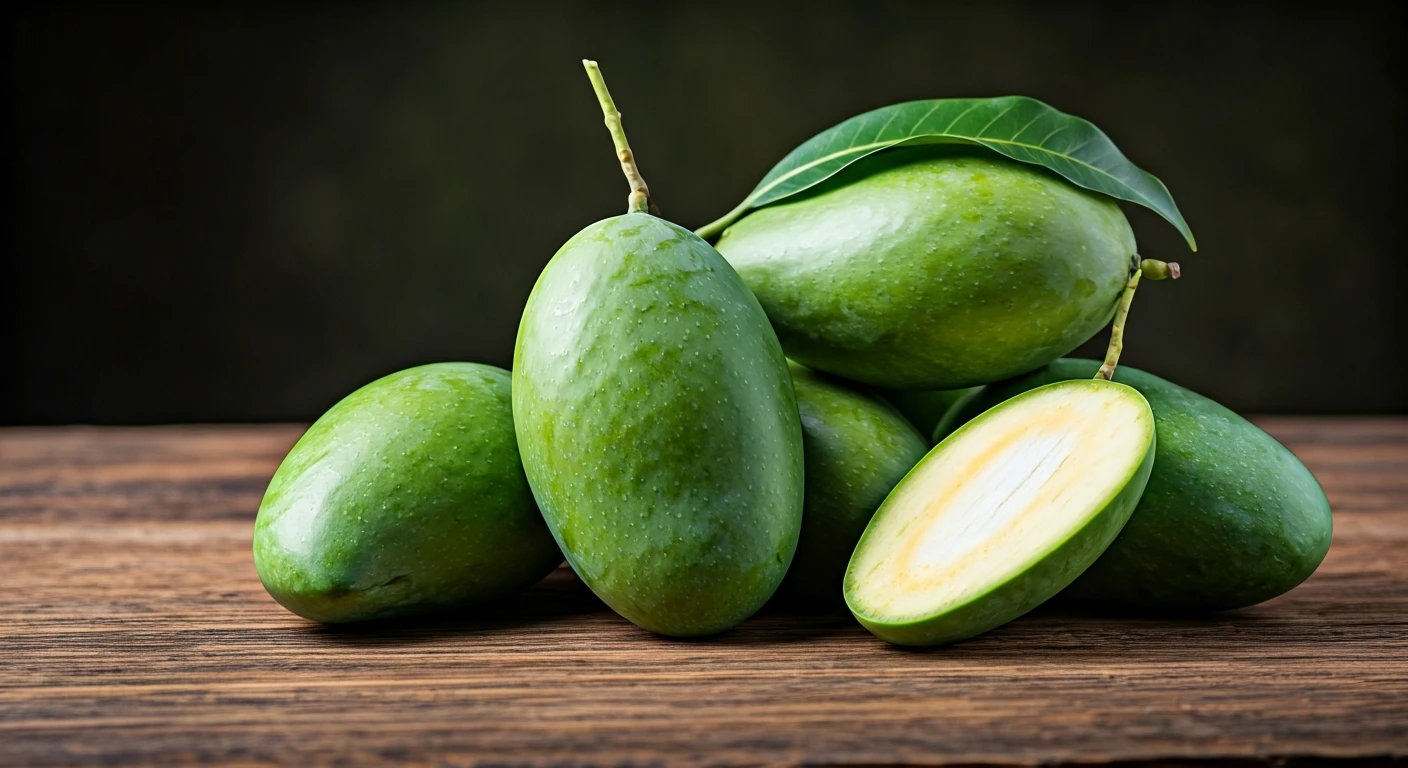
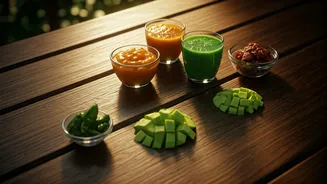
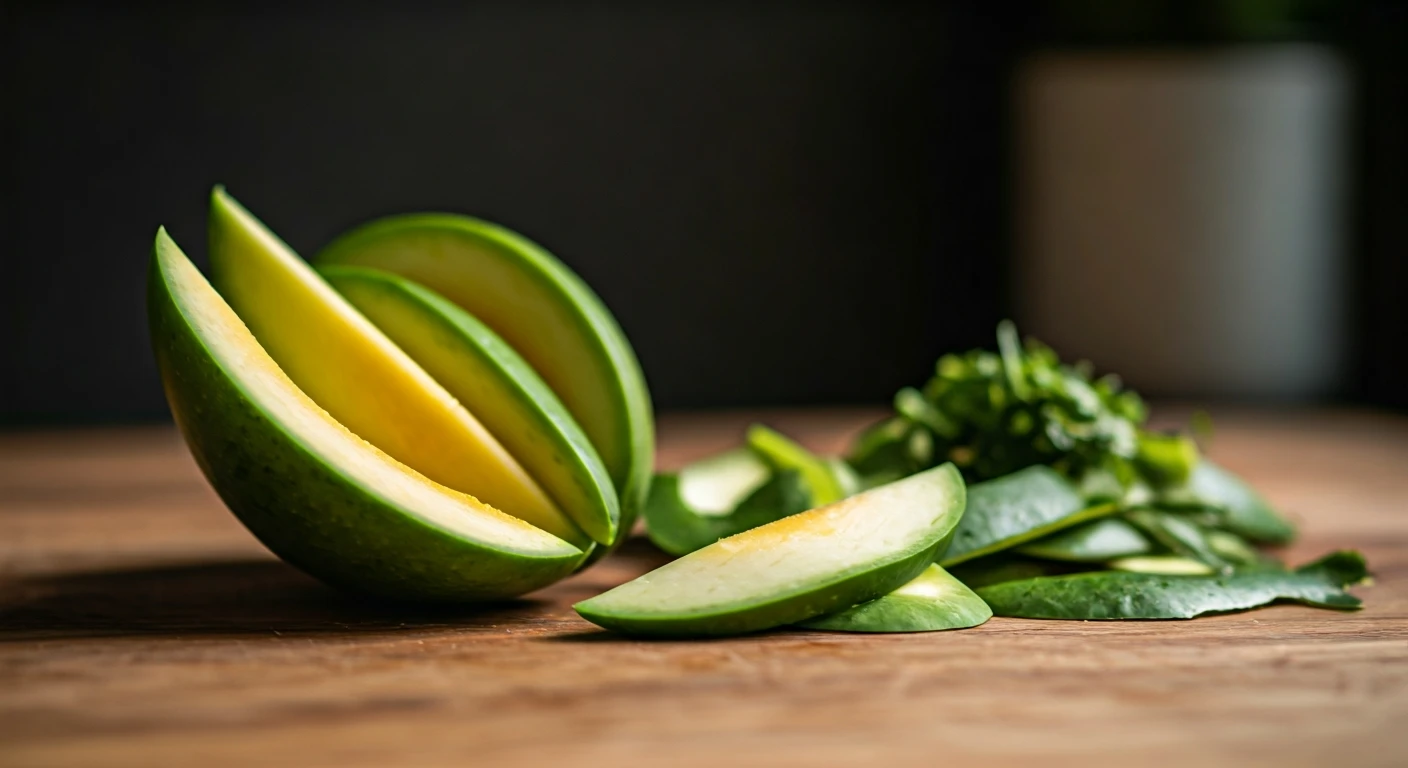
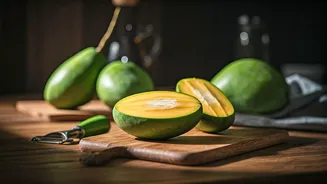
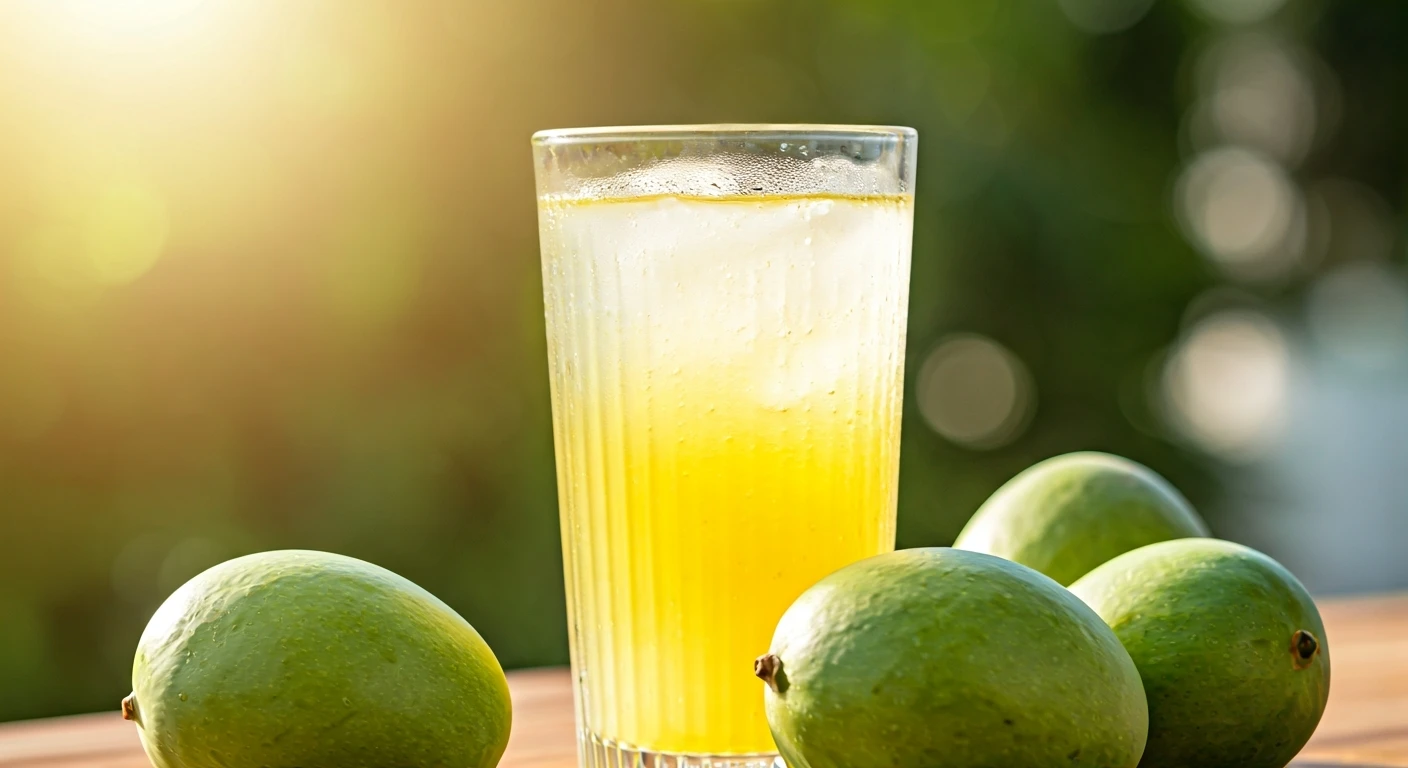
Let's start with the obvious. The firm, mouth-puckeringly sour flesh of the raw mango is the star of countless preparations. It’s the base for Aam Panna, a quintessential Indian summer cooler made by boiling and blending the pulp with mint, cumin, and sugar.
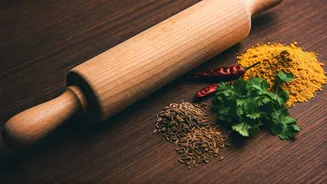
This drink isn't just refreshing; it’s traditionally consumed to combat the effects of intense summer heat. Finely grated or chopped, the flesh adds a bright, acidic kick to lentil dishes (dals) and vegetable stir-fries. But its most famous application is in pickles, or achaar. Chopped and mixed with a potent blend of oil and spices like mustard, fenugreek, and turmeric, the kairi transforms into a condiment that can last for years. Each family has its own secret recipe, a treasured heirloom that preserves the taste of summer long after the season has passed.
The Peel: Don't Trash This Treasure
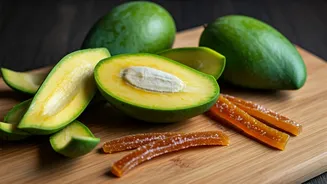
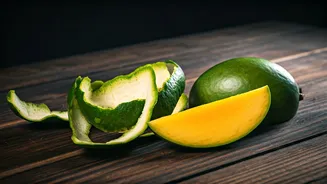
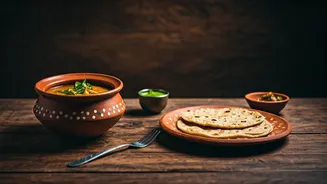
Here’s where the “smart kitchen” ethos really kicks in. In the U.S., a mango peel typically goes straight to the compost bin. But in a kairi-centric kitchen, it’s a source of flavor and texture. The peel holds a concentrated sourness and a distinct aroma. One of the most ingenious uses is turning it into a chutney. The peels are boiled until tender, then ground into a paste with jaggery (unrefined cane sugar), green chilies, and spices. The result is a complex sweet, sour, and spicy condiment that’s a perfect accompaniment to rice or flatbread. In some regional cuisines, thin slivers of the peel are stir-fried with other vegetables or added to lentil dishes, infusing the entire meal with a subtle but unmistakable tang. It’s a masterclass in finding value where most of us have been trained to see waste.
The Seed: The Ultimate Zero-Waste Move
Using the flesh and peel is clever, but using the seed? That’s next-level culinary wisdom. The hard outer stone, or ‘gutli,’ is not discarded. After the flesh is scraped off, the stone is often thrown into a simmering pot of dal or sambar. As it cooks, it releases a gentle, sour flavor that beautifully balances the earthiness of the lentils. Once the dish is ready, the stone is simply removed and discarded, having fulfilled its flavorful purpose. But the ingenuity doesn’t stop there. Some dedicated cooks will crack open the hard stone to retrieve the inner kernel. This kernel can be dried, roasted, and powdered for use as a souring agent or even turned into ‘mukhwas,’ a traditional post-meal mouth freshener, when mixed with other seeds and spices. This commitment ensures that literally every single part of the fruit is honored and utilized.
The Philosophy: More Than a Mango
The Kairi Kitchen isn't defined by a specific set of recipes so much as a mindset. It’s about respecting the entire lifecycle of an ingredient and understanding the potential in every part. This approach was born not from a trendy sustainability movement, but from generations of necessity, thrift, and a deep-seated connection to the food being prepared. Even the water used to boil the raw mangoes for a drink is often saved and used to knead dough for flatbreads, adding a slight sourness and extra nutrients. This philosophy challenges us to look at the ingredients in our own kitchens—the broccoli stems, the carrot tops, the cheese rinds—and ask, “What else can this be?” It’s a timeless lesson in resourcefulness, delivered by one of summer’s most humble, yet powerful, fruits.